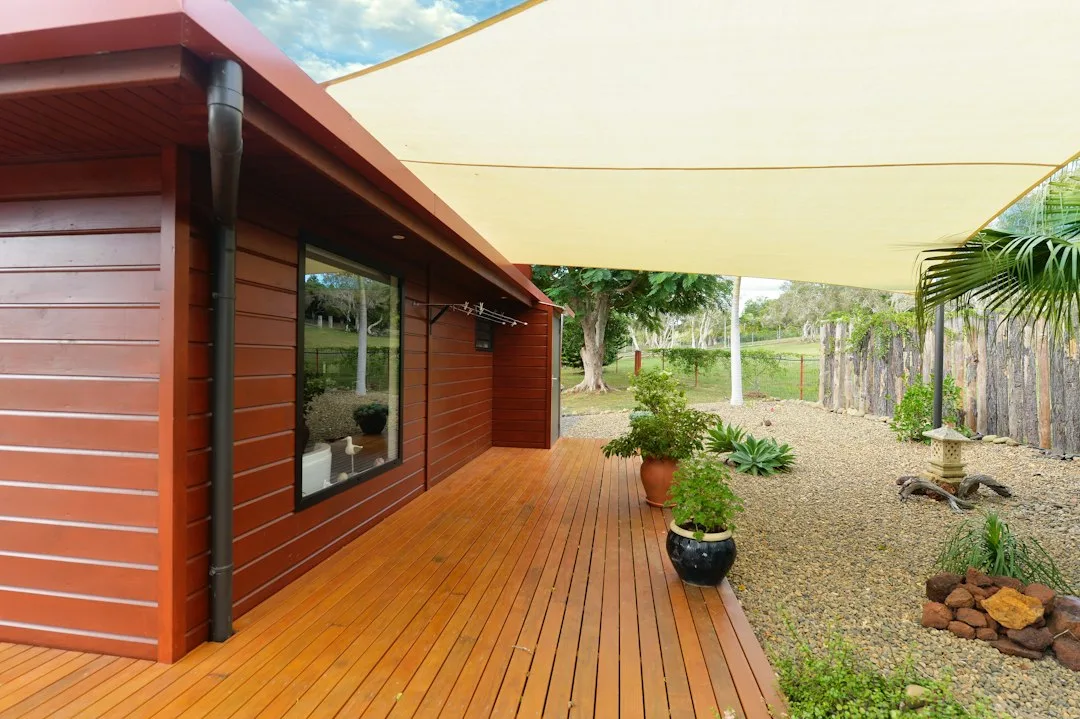
The best colour combination for house exterior is almost never the one you pick first. I’ve watched neighbours repaint twice in three years — not because they changed their minds, but because they chose colours from a phone screen under fluorescent store lighting. Royal blue with crisp white trim reads as bold and composed in direct sun, earthy terracotta with olive green feels rooted and warm, and cool grey with a white accent has a quiet authority that holds up through every season. Each combination here comes from real facades, not a colour wheel theory exercise.
You’ll notice each palette in this article has a dominant tone that does 70% of the work, with a secondary and accent shade handling the rest. That ratio isn’t decorative — it’s structural. Break it and the facade starts to feel like a homework assignment.
At a glance
Royal Blue + White — works on colonial, Cape Cod, and Hamptons-style homes. Use off-white, not pure white, on trim.
Terracotta + Olive Green — best for wooded lots and Mediterranean-style exteriors. Limit green to doors and frames.
Cool Grey + Crisp White — the modern minimalist default. Add one black hardware accent to anchor it.
Budget: $75–$110 per gallon for quality exterior paint. Test swatches outside for at least 48 hours.
Royal Blue and White on a House Exterior — Where This Combination Earns Its Reputation
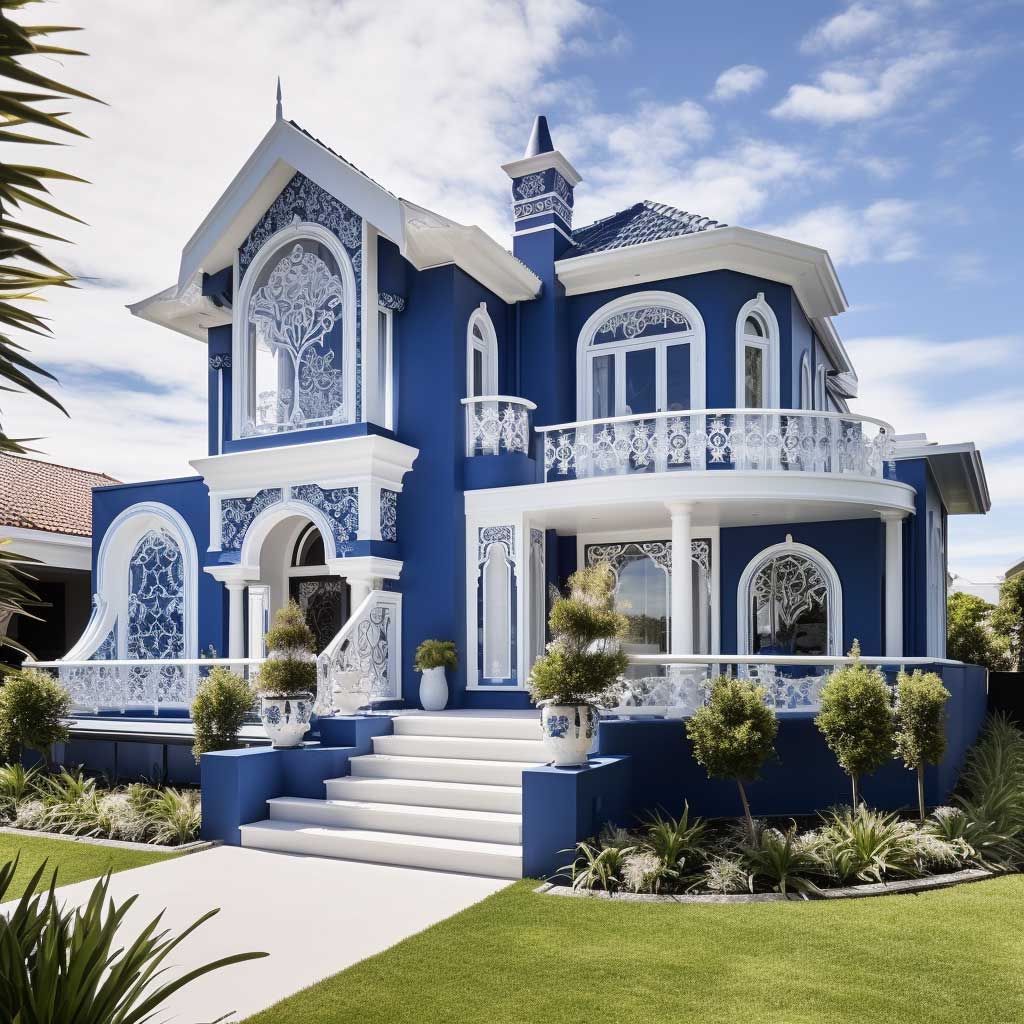
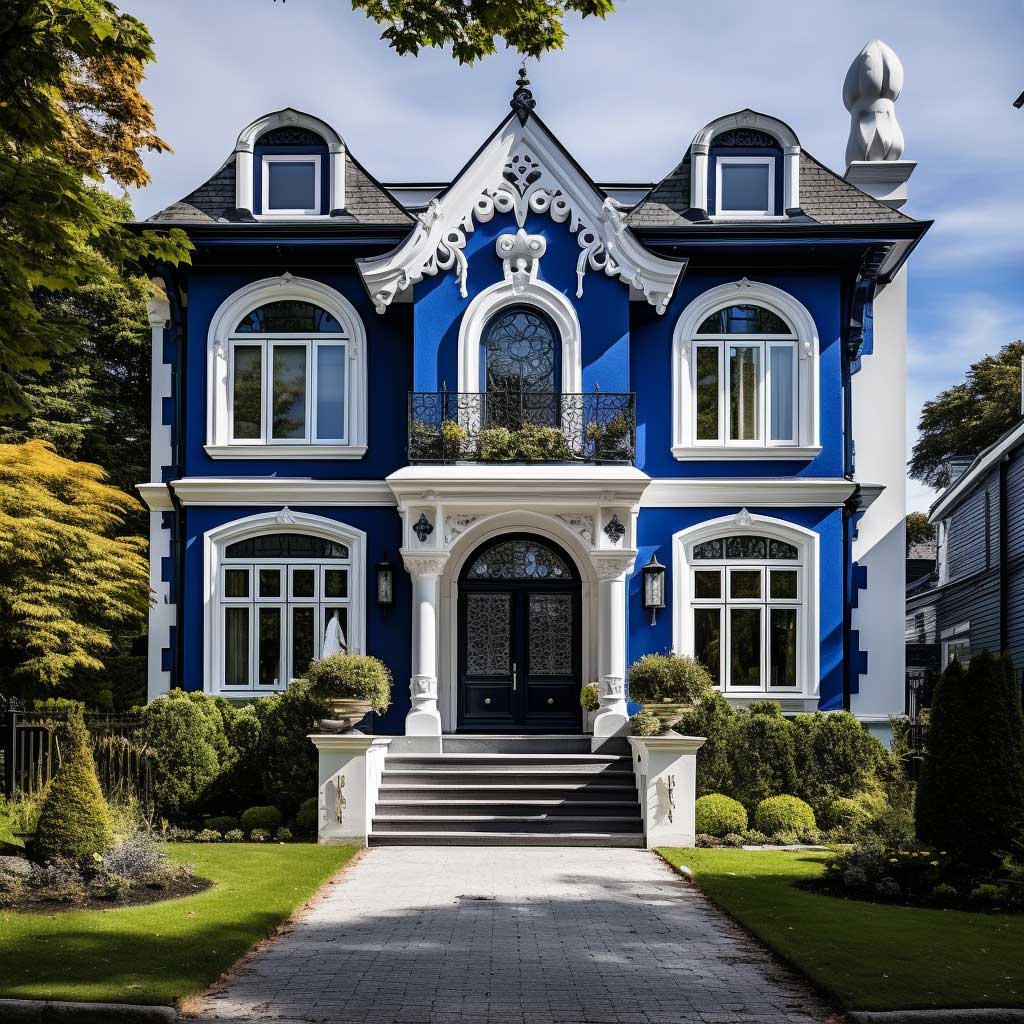
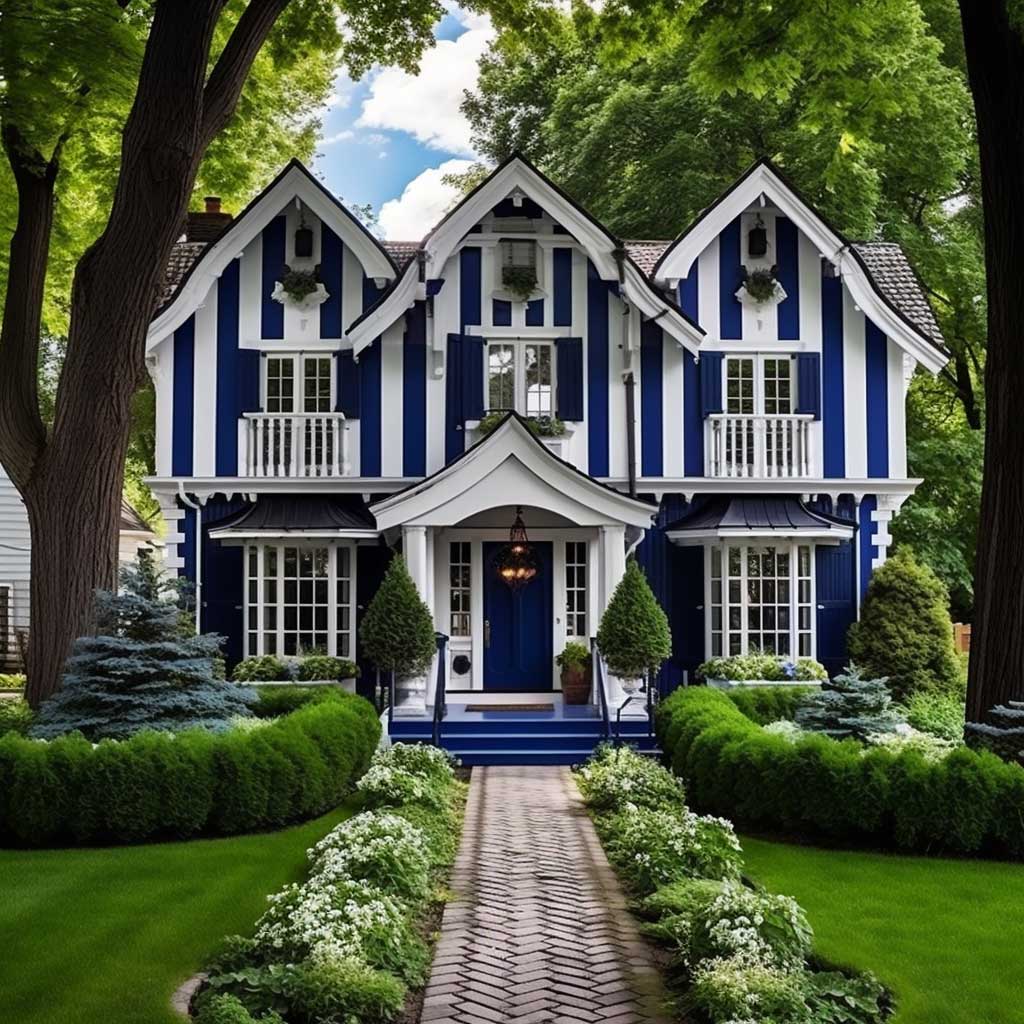
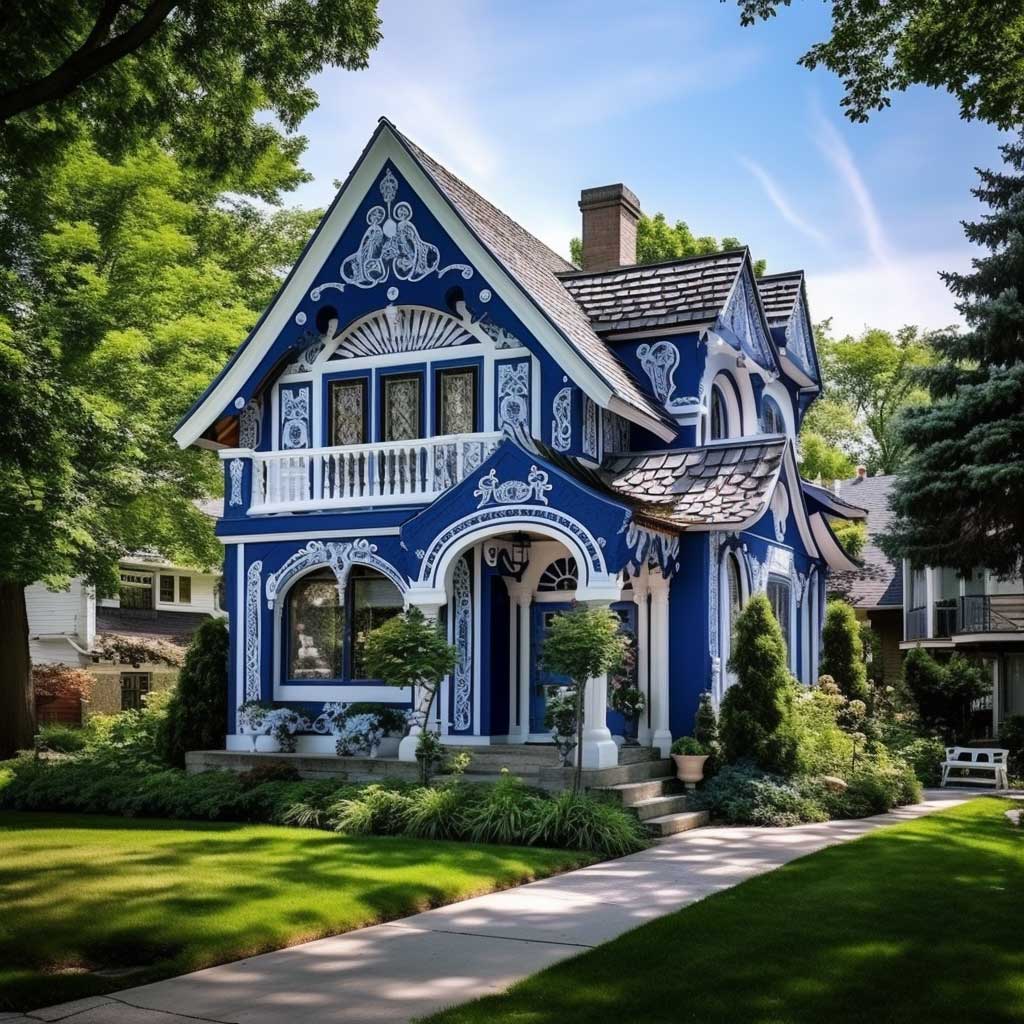
Benjamin Moore Hale Navy (HC-154) is the blue I keep returning to for exterior projects — around $85 a gallon and worth every cent. Royal blue as the dominant exterior colour gives a house real character without tipping into ostentatious. It reads stable and confident, which is exactly why this colour combination for house exterior keeps appearing on the most-photographed streets in coastal New England.
The trim choice matters more than most people expect. Pure white next to deep blue creates a hard, clinical line — the kind that looks fine in a listing photo and harsh in person. My go-to pairing is Benjamin Moore White Dove (OC-17) on the trim and window frames. Off-white softens that edge without losing the contrast. You still get the pop; you just don’t get the hospital cafeteria feeling.
What the colour combination does architecturally is highlight every horizontal line — the roofline, the sill course, the window heads. On a colonial or Cape Cod, white trim against blue body turns those features from details into statements. Don’t try this on a south-facing wall with a very dark navy — I tested Sherwin-Williams Naval on a south exposure once and by 2 PM it looked like a shadow, not a colour. Go one shade lighter than you think you need if your house faces afternoon sun.
One thing that doesn’t work here: matching the front door to the body colour. A blue door on a blue house disappears. A black or charcoal door at around $40–$60 in a semi-gloss finish anchors the entry and gives the whole palette a third tone without introducing a new colour fight. Keep it simple. The combination is already doing the heavy lifting.
For more structured approaches to pairing two colours on one facade, these two tone exterior house paint ideas break down colour placement by architectural element and show exactly where to run each shade on a traditional home.
Terracotta and Olive Green Pull a House Into Its Landscape
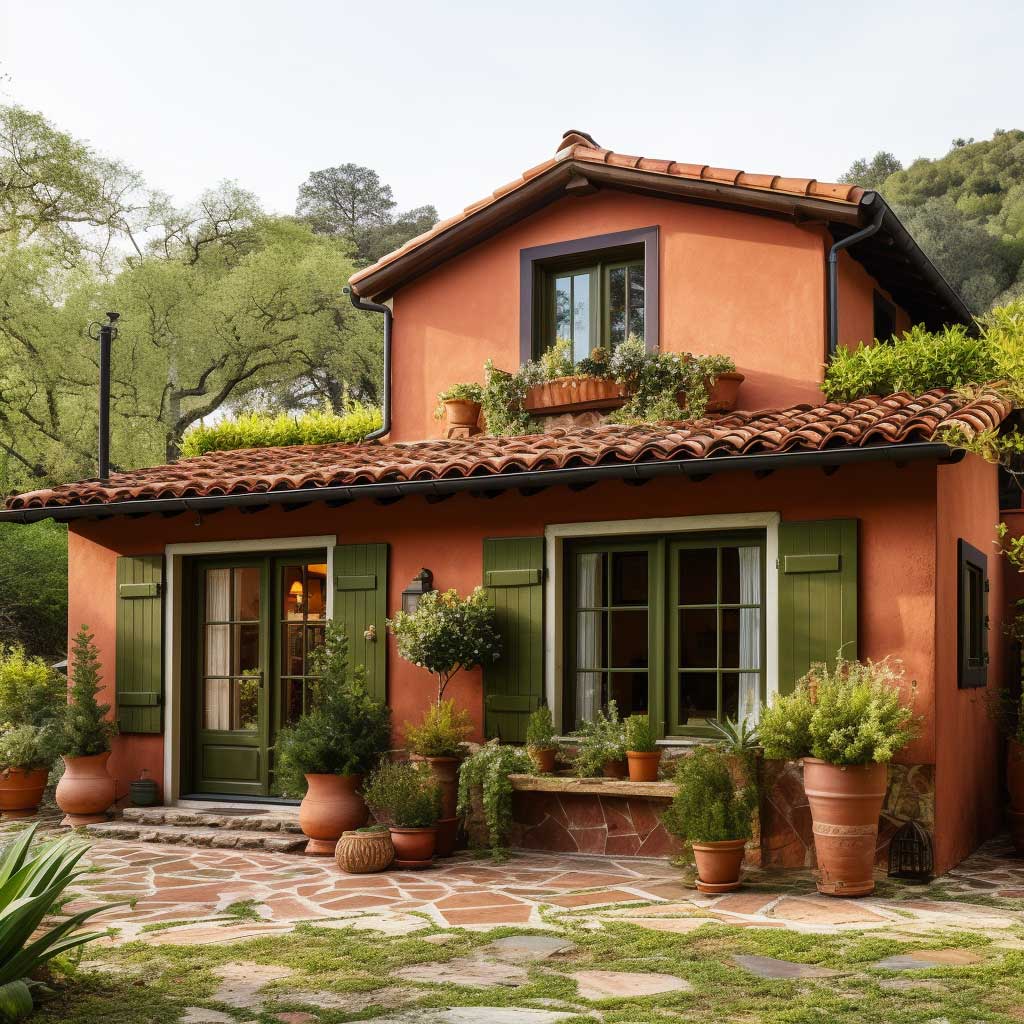
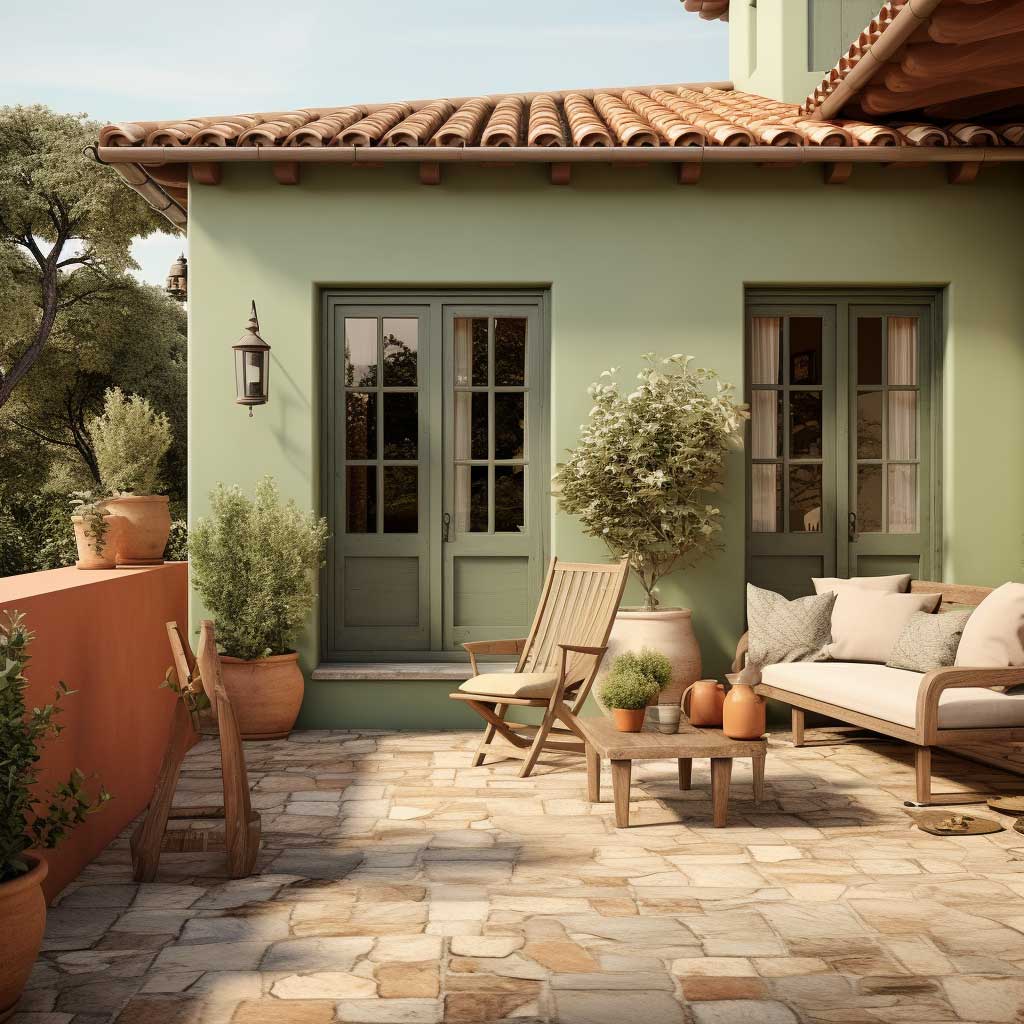
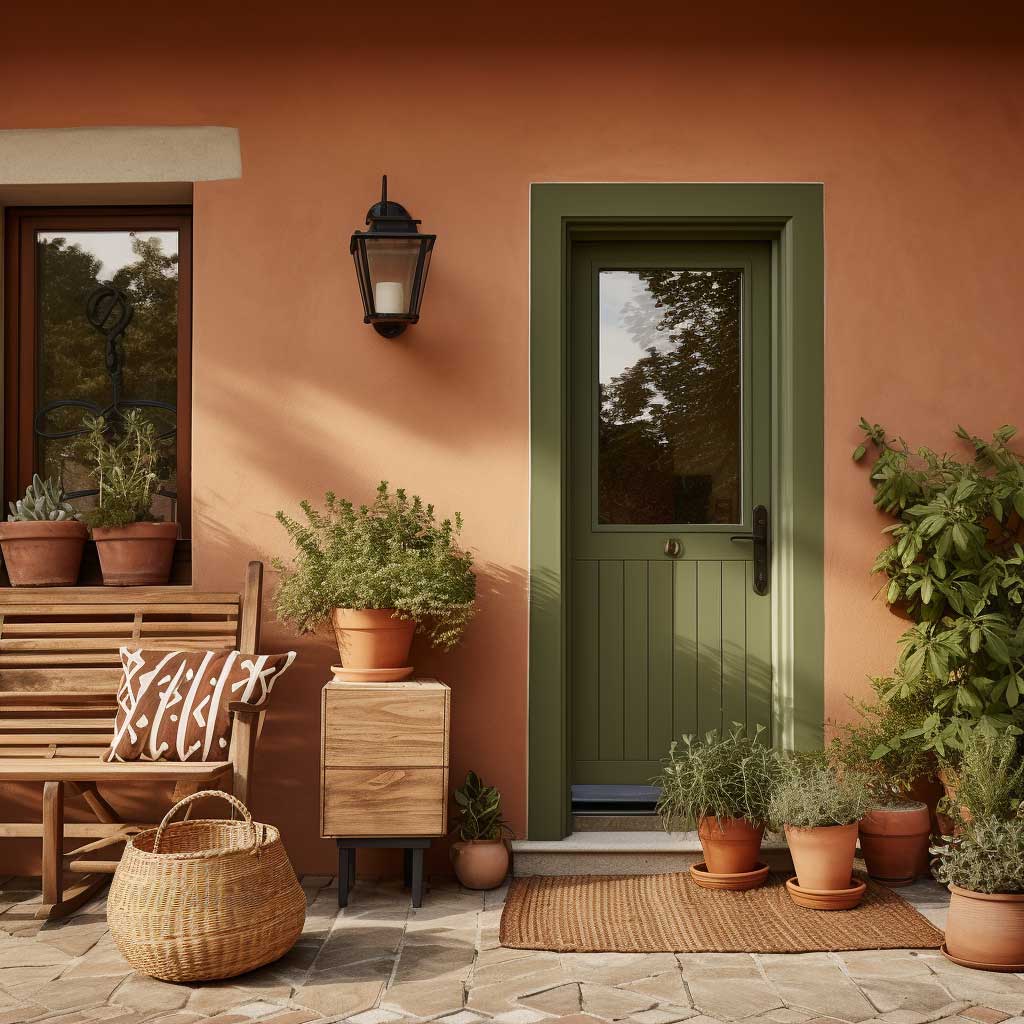
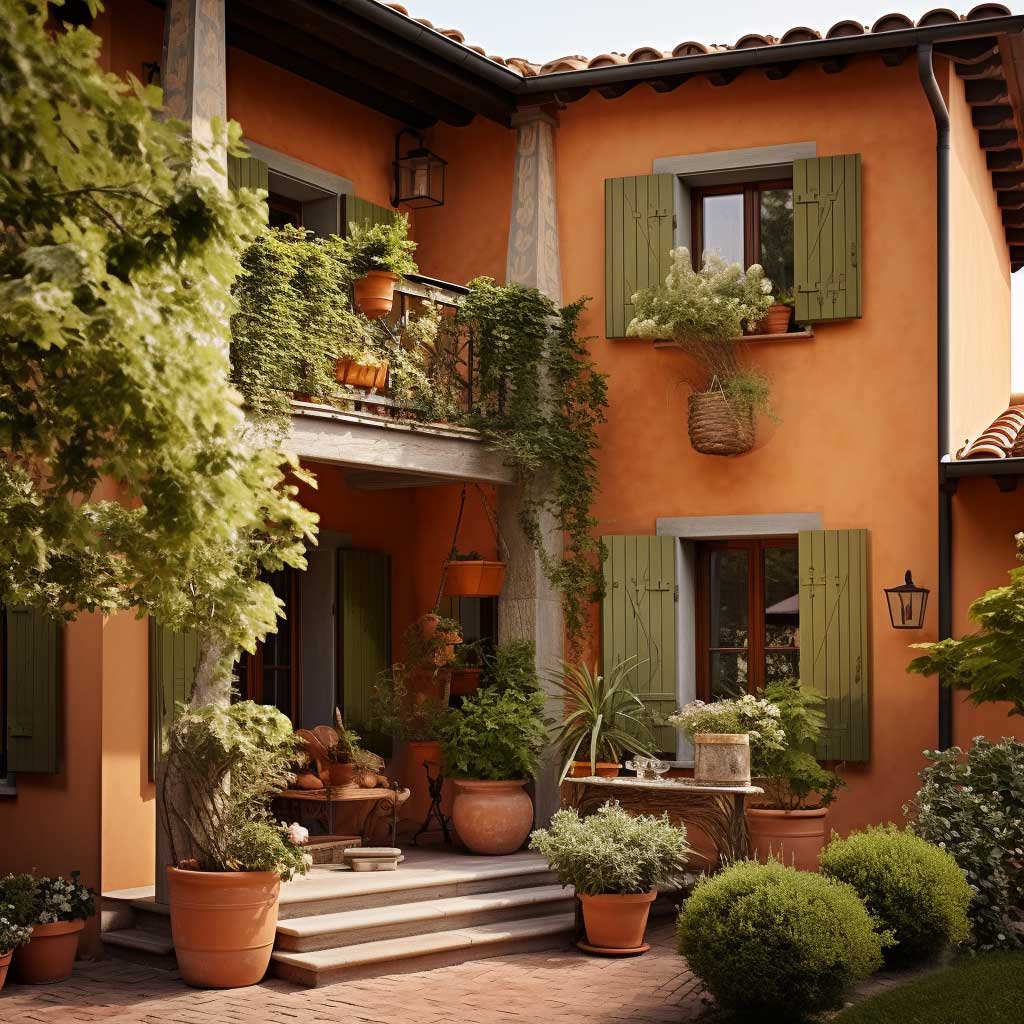
Terracotta as a body colour is like sun-baked clay — it holds warmth from every angle and doesn’t fight the landscape the way a manufactured colour does. Sherwin-Williams Cavern Clay (SW 7701) runs about $82 a gallon and sits right in that sweet spot between orange and brown that reads as earthy rather than vivid. It’s my go-to recommendation for homes on wooded lots or those with Mediterranean or Spanish-style rooflines.
Olive green belongs on the doors, window frames, and shutters — not the body. Use it as an accent doing 20% of the work, not a co-lead. A rich, muted olive like Benjamin Moore Rosemary (HC-140) provides freshness against the warm terracotta without the palette going chaotic. The two colours together feel like a forest floor — soil and canopy, neither competing with the other.
Here’s what doesn’t work: bright Kelly green anywhere near terracotta. I’ve seen it twice in person and once in a neighbourhood consultation. It ages like a sports bar that opened in 2003. Muted, greyish-green is the only version that holds. If you’re not sure which olive qualifies, hold your swatch next to a dry sage leaf — if it matches, you’re in safe territory.
Brown exterior paint fades more slowly than almost any other colour family, which makes terracotta one of the most practical choices for full-facade painting. Budget for one coat of primer and two finish coats — around $1,800–$2,400 in materials for a standard two-storey. The combination is also one of the few that looks better in overcast light than in full sun, which matters if your house faces north or sits under tree canopy most of the day.
Don’t Do This
Don’t choose your exterior colour combination from a phone screen or a paint brand’s website. Backlit digital swatches look nothing like dried paint on stucco or wood siding in afternoon sun. Order physical samples, tape them to the actual wall, and check at 8 AM and again at 4 PM for two full days. The colour that survives both morning shade and direct afternoon sun is the one worth buying by the gallon.
Don’t use more than three colours on one facade. Body, trim, accent — that’s the ceiling. Four or more colours competing on one exterior turn a house into something that belongs in a fever dream, not a neighbourhood. Every time I’ve driven past a genuinely bad exterior paint job, it had too many colours, not the wrong ones.
Cool Grey and White — Why the Minimalist Exterior Holds Up When Everything Else Dates
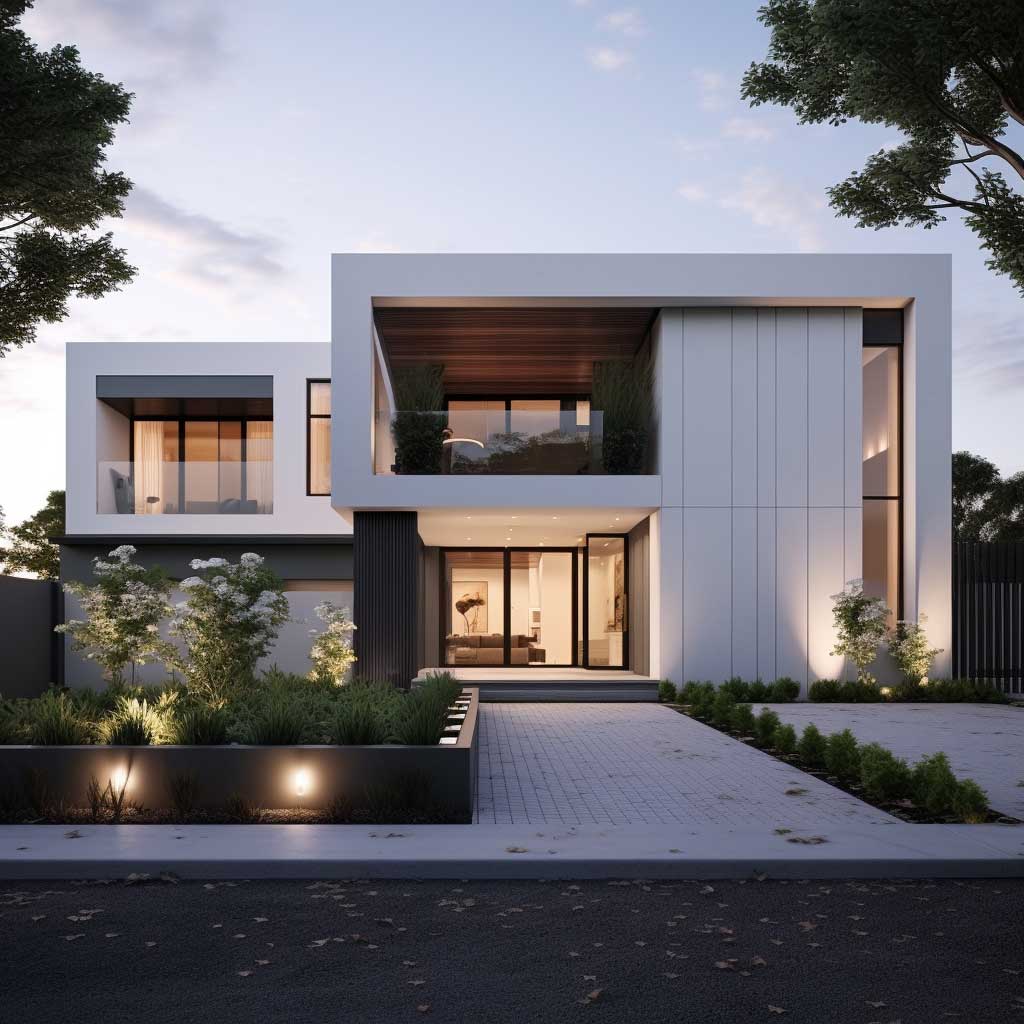
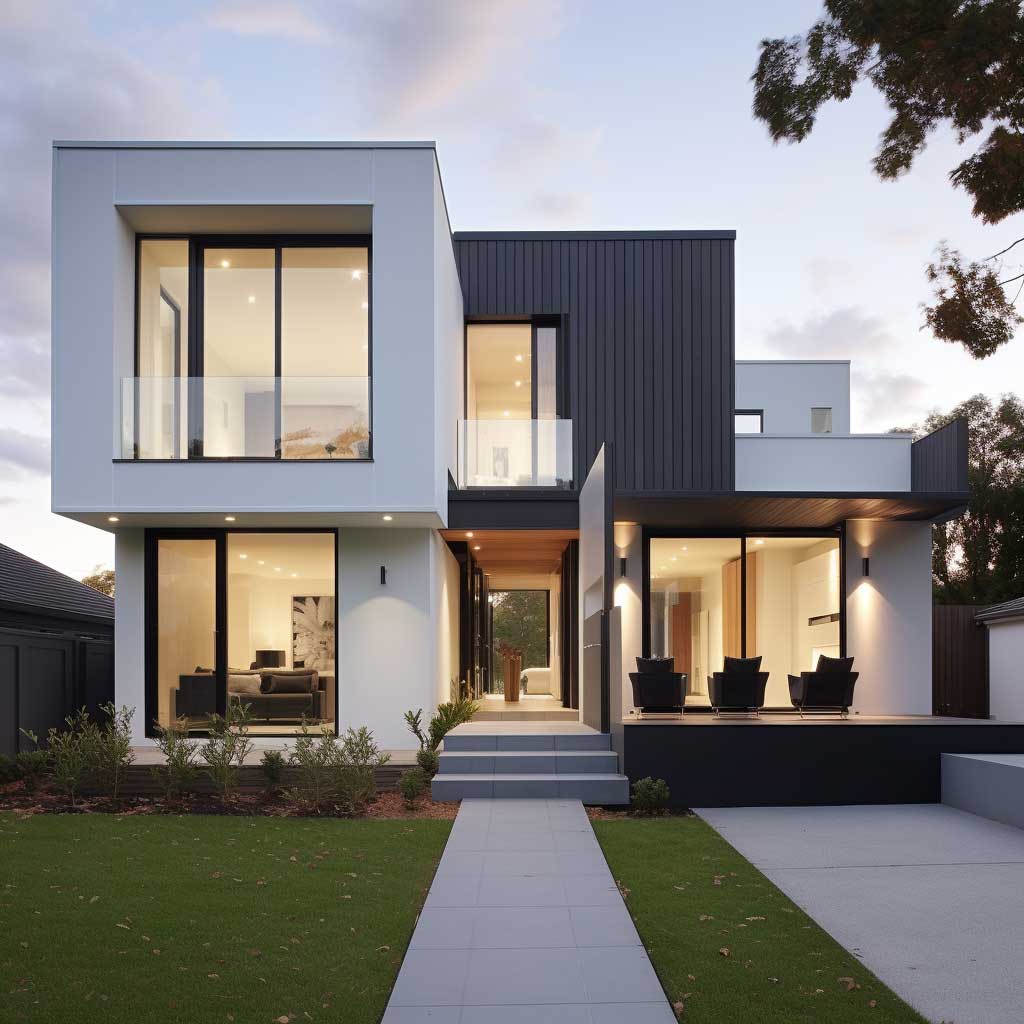
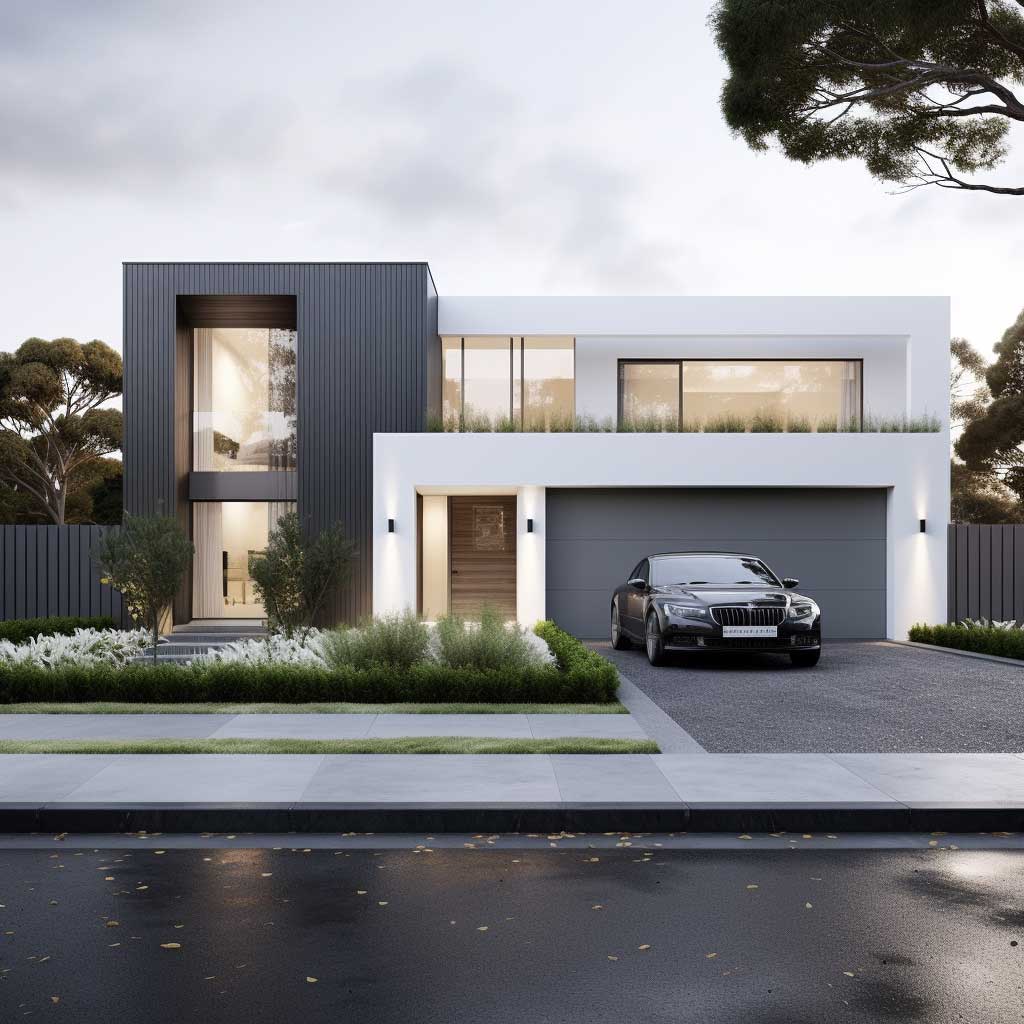
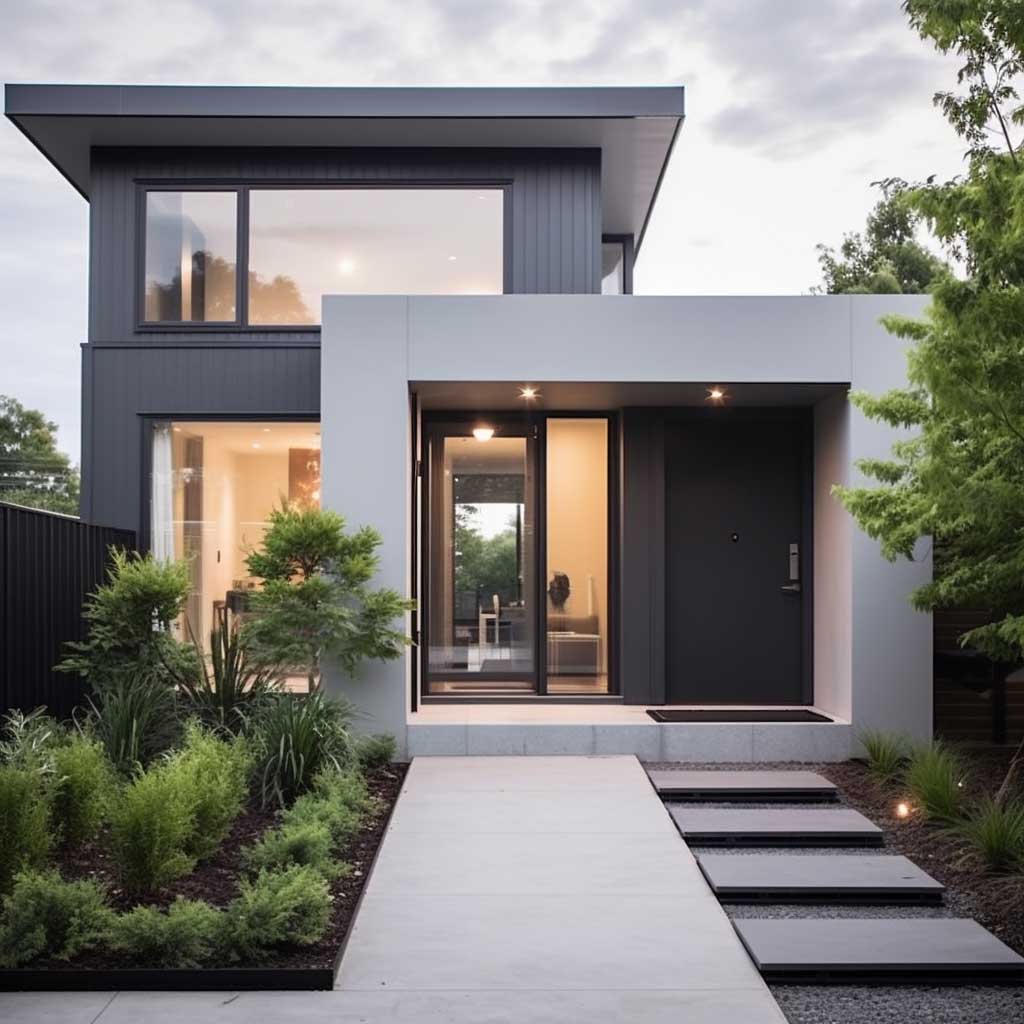
Cool grey with crisp white trim is the exterior equivalent of a white shirt with dark trousers — low effort, high signal, impossible to date. Sherwin-Williams Peppercorn (SW 7674) at around $82 a gallon is the grey I’d use on my own house if the HOA allowed it. It shifts between medium grey and charcoal depending on the hour, which means the facade reads differently at dawn and at dusk without any effort from the homeowner.
The white trim here needs to be genuinely bright — not warm, not creamy. Pure white on window frames and trim against a cool grey body creates the contrast that makes the architecture legible from the street. You’ll notice on houses that use this palette well: every architectural detail pops, even on a flat-fronted colonial that would otherwise look like a rectangular box.
What kills this combination is grey trim on a grey body — same family, barely different values. It looks unfinished, like someone ran out of paint and shrugged. You need at least three steps of value between the body and the trim. If you can’t see the contrast in a shadow, it isn’t enough. I stole this rule from a painter who’d been doing new-build finishes for 18 years, and I’ve never seen it fail.
Add black hardware — door knocker, house numbers, exterior light fixtures — and the palette gains a third tone that ties everything together without introducing a new colour. Black on grey-white is like punctuation: it tells the eye where to stop. Skip the brushed nickel. It reads silver-grey in daylight and just disappears against the body colour. Spend the $120–$180 on matte black fixtures and the exterior looks like it was art-directed, not just painted.
For ideas that go further into grey-family exterior pairings and how they respond to different facade architectures, these exterior wall colour combinations break down exactly which grey tones suit classic versus modern structures. Sherwin-Williams also organises their architectural exterior colour palettes by regional style and home type, which helps narrow down grey variants for your specific climate and siding material.
The Takeaway
Colour Combinations Don’t Fail on Facades — They Fail at the Hardware Store
The three palettes here all work for a reason: they follow the 70-20-10 rule, they account for how light changes through the day, and they each have a clear dominant tone. Pick one. Test it on the wall. Live with it for 48 hours before buying full gallons.
Resist the urge to add a fourth colour because you love your terracotta trim. The trim doesn’t need a personality — that’s the door’s job.
Save this post before your next trip to the paint aisle.
Related Topics