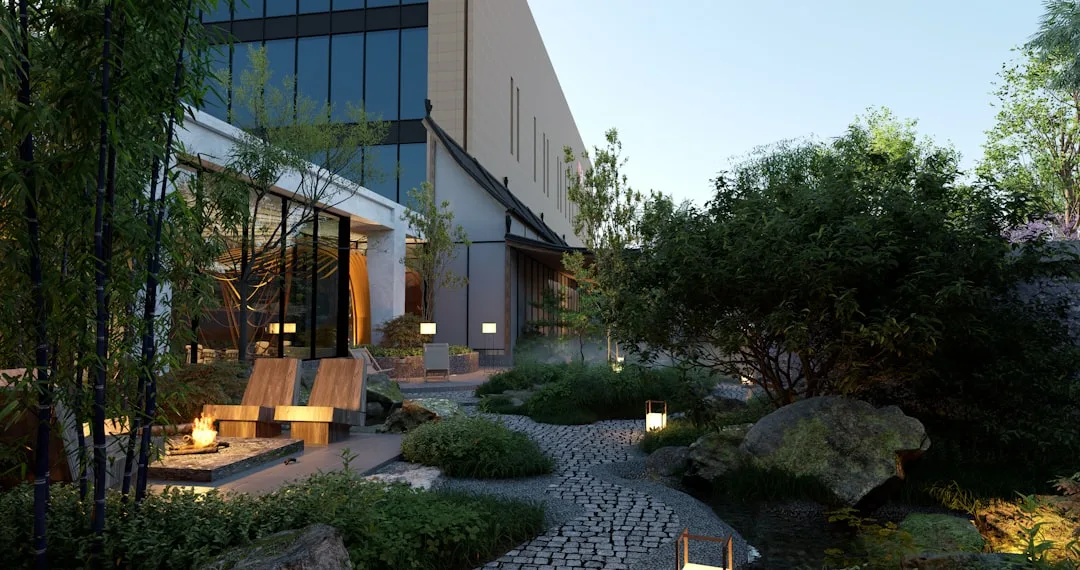
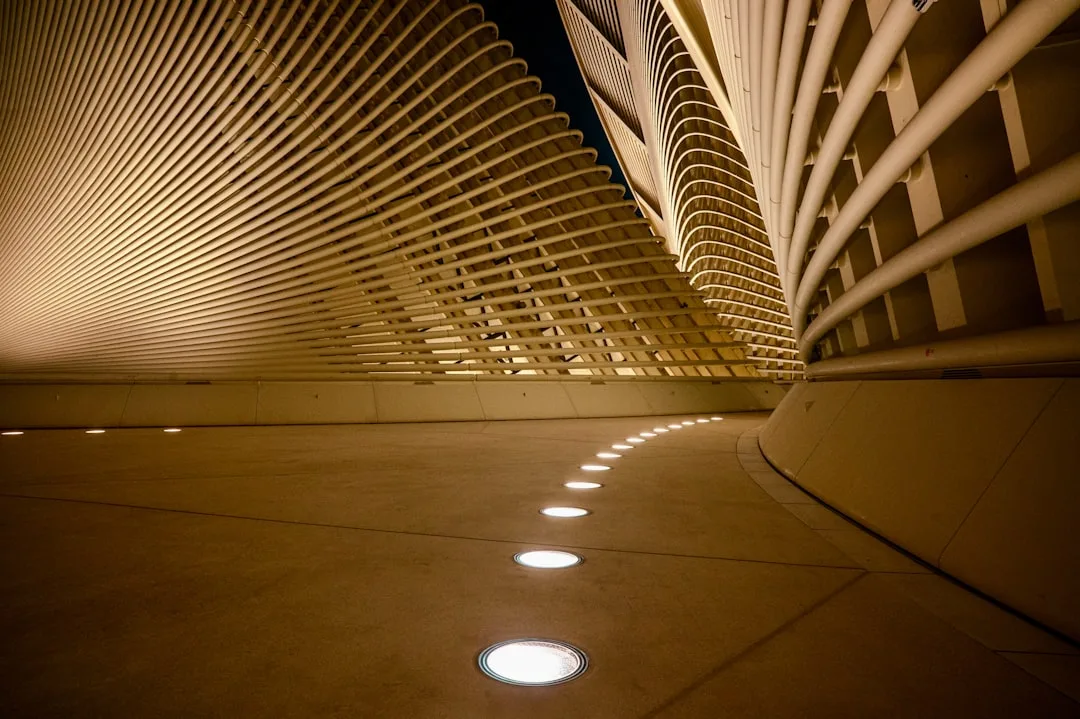
Recessed landscape lighting has become the defining element of polished outdoor design in 2026, replacing surface-mounted fixtures that interrupt sightlines and compete visually with carefully planned hardscaping. Homeowners and landscape architects are embedding LED lights directly into stone walls, deck frames, stair risers, and pathway borders to create a sophisticated, integrated look that feels intentional rather than bolted-on.
Why recessed landscape lighting dominates hardscape design
The shift reflects a broader move toward seamless outdoor architecture. Recessed lighting disappears into the landscape when off, then reveals depth and dimension when illuminated—exactly what homeowners want from high-end garden design.
Brands like Kichler and Landscape Forms manufacture purpose-built recessed fixtures rated for in-ground and wall-mounted installation, available in 12V and 24V low-voltage systems. These are no longer an afterthought; they’re specified during the hardscape construction phase, not added later.
A typical recessed step light sits flush with a deck board or stair riser, measuring 2–3 inches wide and 1–2 inches deep. The cost difference between surface fixtures and recessed systems is marginal when installed during initial construction—approximately $40–80 per fixture installed, versus $25–50 for post lights that look dated by comparison.
Quick Tips
- Plan recessed lighting during hardscape design phase, not as retrofit—saves labor and material waste.
- Use warm white (2700K) for intimate seating areas; cooler 4000K for security and pathway illumination.
- Limit spacing to 8–10 feet apart on pathways; closer for stairs or elevation changes.
- Specify low-voltage systems (12V or 24V) over line voltage for safety and dimming flexibility.
- Test placement with temporary lights before cutting or drilling stone or composite materials.
Installation methods that define contemporary hardscape
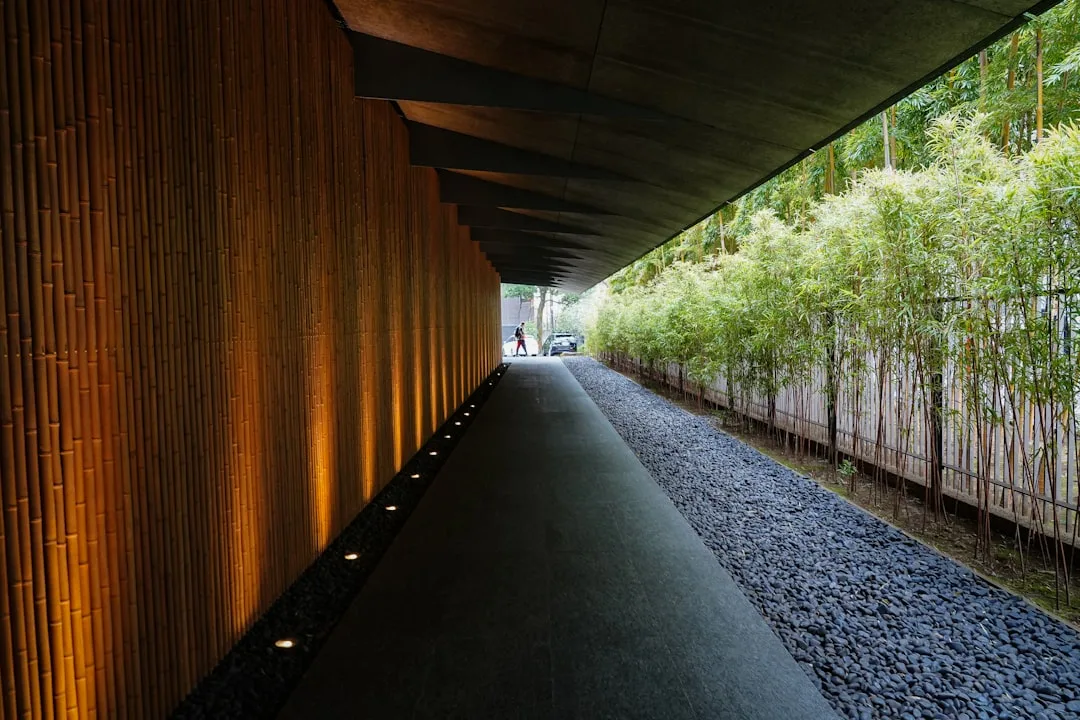
Recessed lighting differs fundamentally from spotlights or bollards in how it integrates with structure. A recessed pathway light sits in a 4-inch diameter well, flush with the surface, while recessed wall washers mount horizontally into stone or cladding to graze and accent texture.
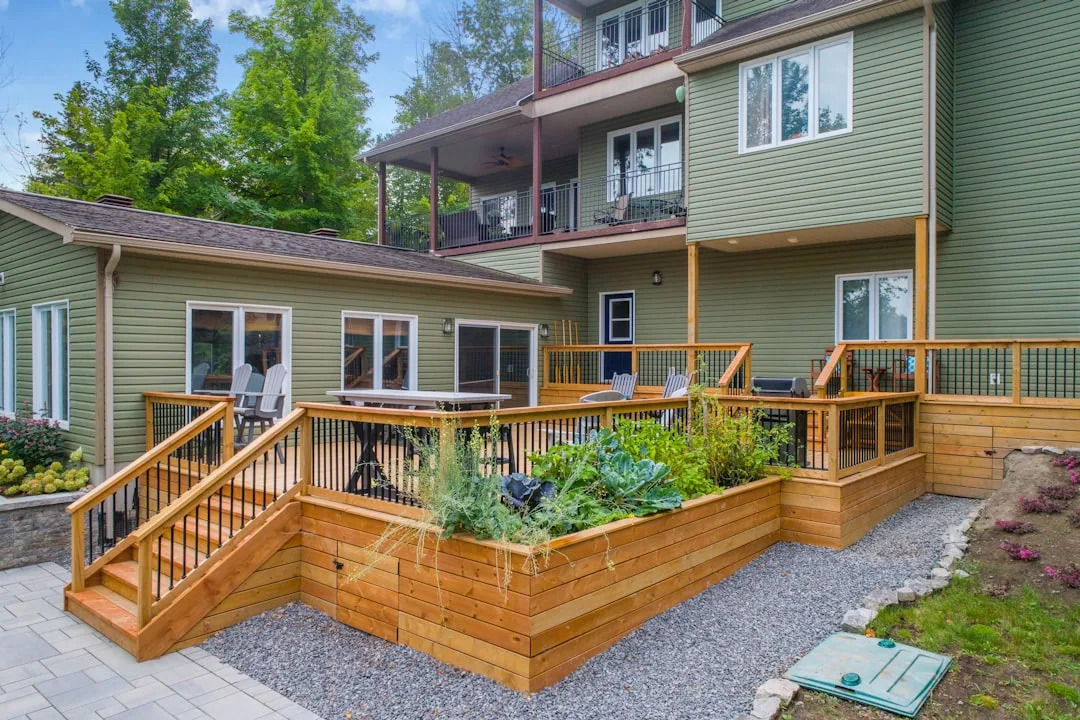
Trex and other composite deck manufacturers now pre-drill recessed light cavities in deck boards, allowing low-voltage leads to run through hidden channels. Installation happens at assembly, not on-site, cutting labor by 30–40% compared to retrofitting existing decks.
Stair recessing requires precision: lights must sit precisely 1–2 inches below the step surface to avoid foot catches while remaining visible when ascending or descending. This level of detail separates professional installations from amateur attempts.
| Recessed Location | Ideal Fixture Depth | Best Wattage/Lumens |
|---|---|---|
| Deck boards | 1.5–2 inches | 3–5W LED, 200–300 lumens |
| Stair risers | 1–1.5 inches | 2–3W LED, 150–200 lumens |
| Pathway borders | 0.75–1.5 inches | 1–2W LED, 80–150 lumens |
| Stone or brick walls | 2–3 inches | 5–10W LED, 400–600 lumens |
The mistake most homeowners make with recessed fixtures
The #1 failure: installing surface-mounted uplights during hardscape installation, then adding recessed lights later as an “upgrade.” Result: inconsistent appearance, two different control systems, and lighting that looks layered and confused rather than unified.
A real example: a homeowner installs a new composite deck with standard (non-recessed) post lights at corners, spending $600 on four fixtures. Two years later, they add recessed stair lights and pathway wells for $2,000 more. Now the deck has competing light sources with different color temperatures and coverage patterns.
The fix: specify all recessed locations during the design phase. A complete pathway and deck lighting plan costs 15–20% more upfront but eliminates costly revisions and delivers a cohesive nighttime aesthetic.
Control systems that expand recessed lighting capability
Modern recessed landscape systems integrate with smart home platforms like Lutron and Control4, allowing smartphone dimming, color-change RGB sequences, and scene programming. A homeowner can set a “dinner” scene at 40% warm white, then shift to “security” mode at 100% with motion sensors active.
Brands like Philips Hue Outdoor offer app-controlled recessed systems with 16 million color options, expanding beyond the traditional white-light paradigm. Color-changing recessed lights cost roughly 2–3 times more than monochrome equivalents but justify the investment in focal planting areas or architectural accent zones.
Low-voltage transformers (usually 300–600W capacity) run safely from exterior outlets and allow multiple zones controlled independently. Professional installers wire these through outdoor-rated conduit, keeping wiring concealed and adding resilience against UV damage and weathering.
Material compatibility and long-term performance
Recessed fixtures must match the substrate material to ensure longevity. Stainless steel housings resist corrosion in coastal or humid climates, while aluminum anodized finishes work well in temperate zones.
Composite deck boards (from brands like TimberTech and Azek) require recessed lights with sealed gaskets and marine-grade silicone sealant to prevent water intrusion along the fixture edge. Neglecting this detail leads to wood rot or mold around the light cavity within 2–3 seasons.
For hardscaping integrated with natural stone or brick—as detailed in How To Match Stucco Paint Color For House Facade? 50+ Exterior Ideas—recessed lights in mortar joints require epoxy sealant rated for outdoor temperature cycling. A standard caulk fails within one season.
LED technology ensures recessed lights remain energy-efficient for 25,000–50,000 hours, far outlasting halogen equivalents. This longevity justifies the initial cost and eliminates frequent maintenance in hard-to-reach locations.
Design integration with architectural style
Recessed lighting works with any landscape aesthetic, from contemporary minimalist to Create the French Style Home Exterior of Your Dreams formal gardens. The key is restraint: 6–12 recessed fixtures often suffices for a quarter-acre residential landscape, while amateur designs attempt 30+ fixtures and create visual noise.
Spacing and distribution matter. Pathway lights at 8-foot intervals create rhythm without overlapping pools of light. Accent lights on specimen trees or architectural focal points should number one per feature—not five lights competing for attention.
In 2026, the trend reflects a mature understanding of outdoor lighting: less is more, fixtures should disappear, and light itself becomes the design element. Recessed landscape lighting delivers exactly that philosophy when planned, installed, and controlled with precision.
Recessed Landscape Lighting: Practical Resources
Tools and official guidance for planning, wiring safely, and controlling recessed landscape lights once the design decisions in this article are made.
How do I know if I’m overlighting my yard or picking the wrong color temperature?
How do I choose the right color temperature and beam angle for each fixture?
Does the outlet feeding my transformer need special protection?
Can I add app control or scheduling to a transformer I already installed?
Where do I find a licensed electrical contractor for the wiring work?
How exactly do I cut a recessed light cavity into composite deck boards?
How do I check if my outdoor fixture or transformer has been recalled?
How do I connect smart RGB recessed lights for app scenes and scheduling?