What a travel router does for hotel Wi-Fi and holiday trips
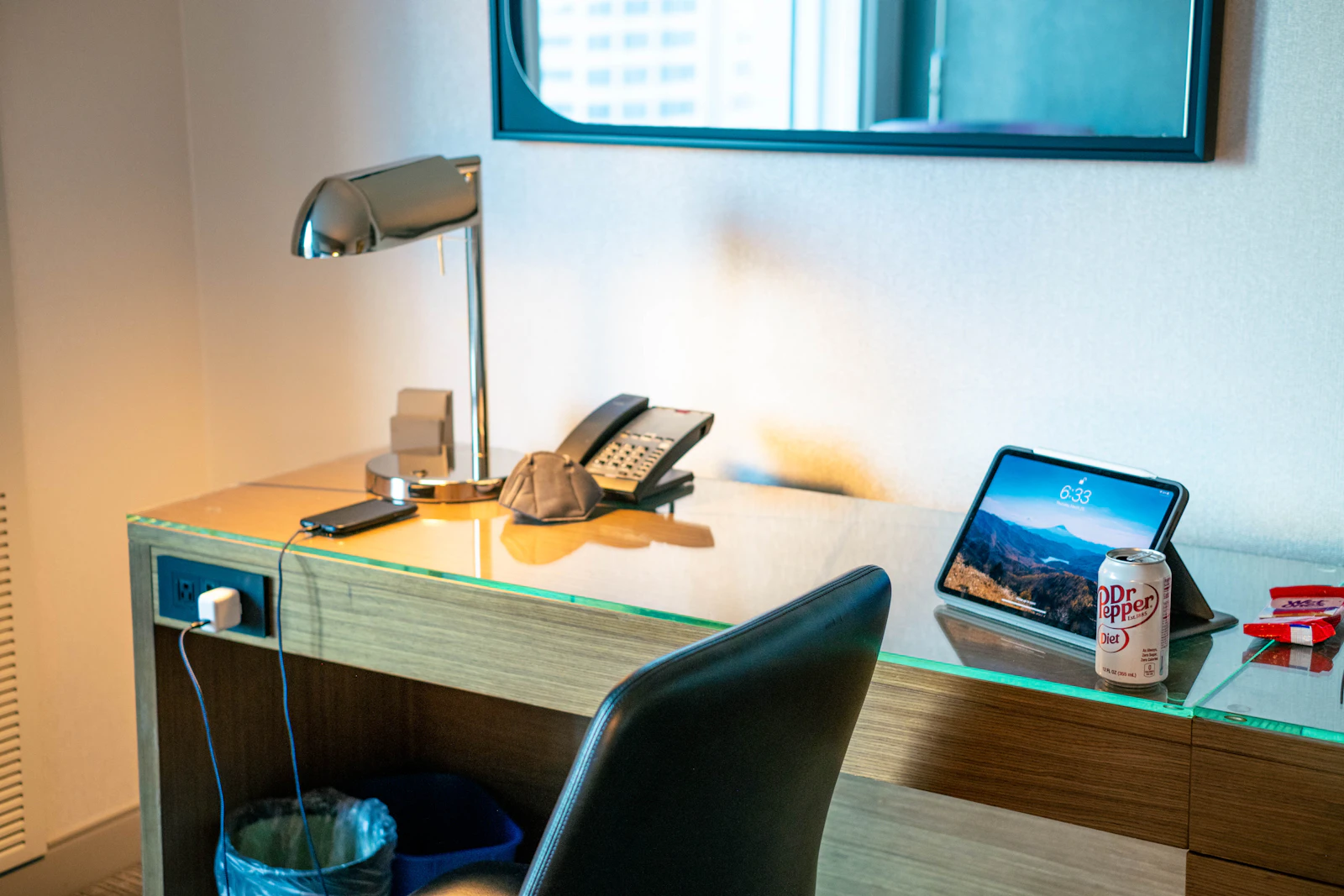
A travel router shares one hotel login with all your devices and can run a VPN for all of them. Here is how it works, what it costs and which specs matter.
333k+ Lifestyle & Design Ideas

A travel router shares one hotel login with all your devices and can run a VPN for all of them. Here is how it works, what it costs and which specs matter.
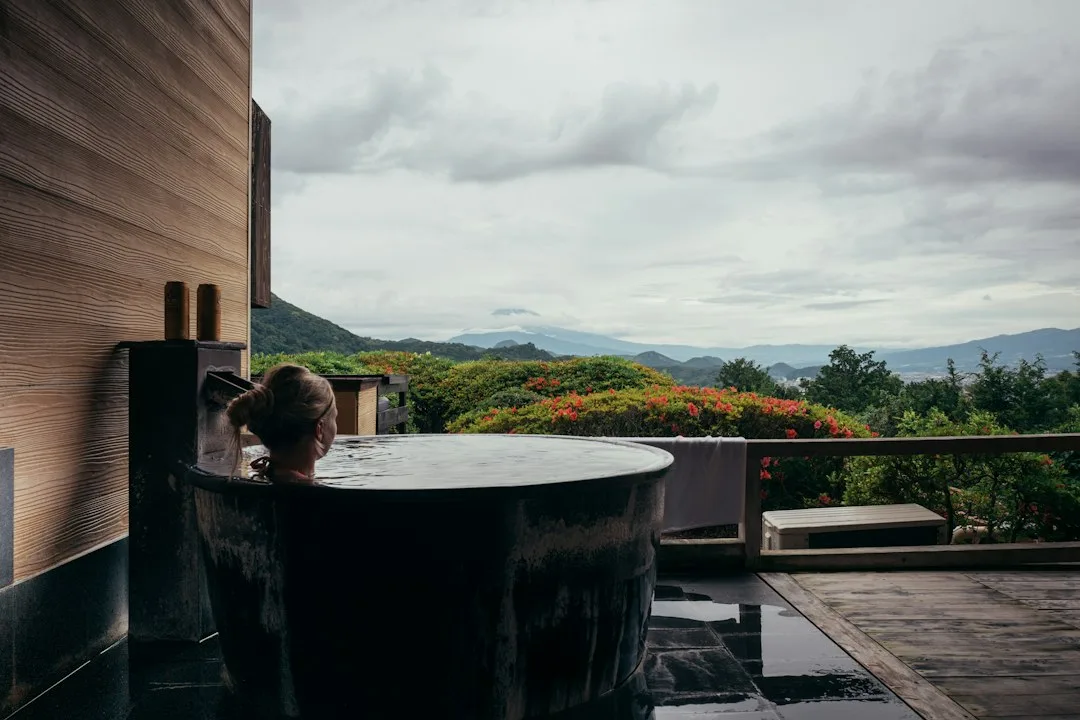
Travelers are trading Tokyo hotels for tatami rooms, kaiseki dinners, and mineral baths in Japan’s hot spring towns. Here is where to go and how to avoid the mistakes that spoil a ryokan night.

Dark sky travel is drawing visitors to national parks where the Milky Way is visible overhead. Here is how to pick a site, time your trip around the moon, and pack gear that works after dark.
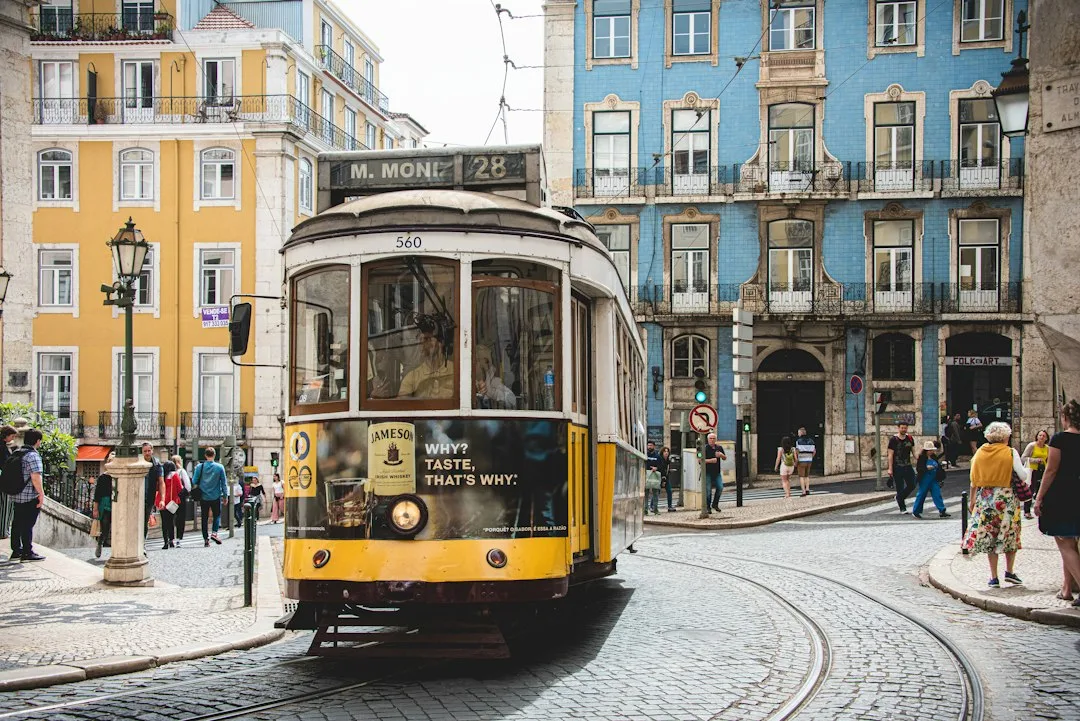
Shoulder season travel moves trips into the weeks between peak and quiet, when prices soften and streets stay lively. Here is why travelers are choosing these months now.
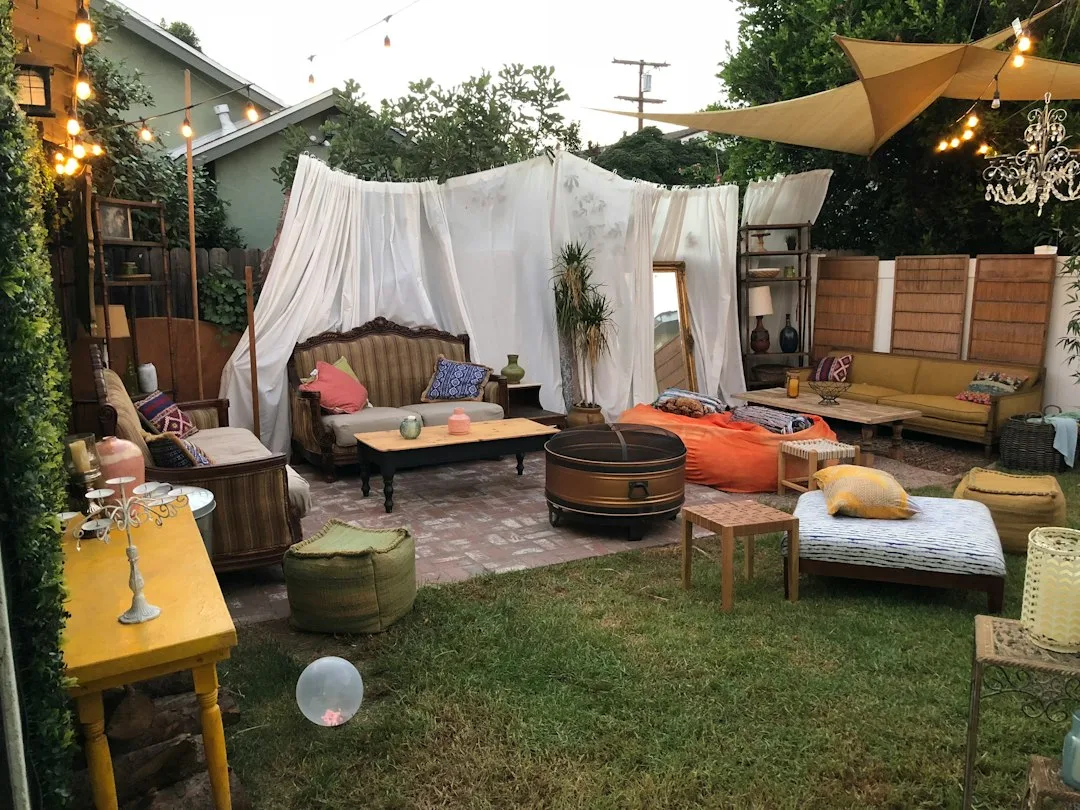
Backyard glamping accommodations are redefining how affluent travelers find luxury without airport stress. High-end glamping setups—from safari tents to heated domes—now compete with resort stays while keeping you minutes from home.
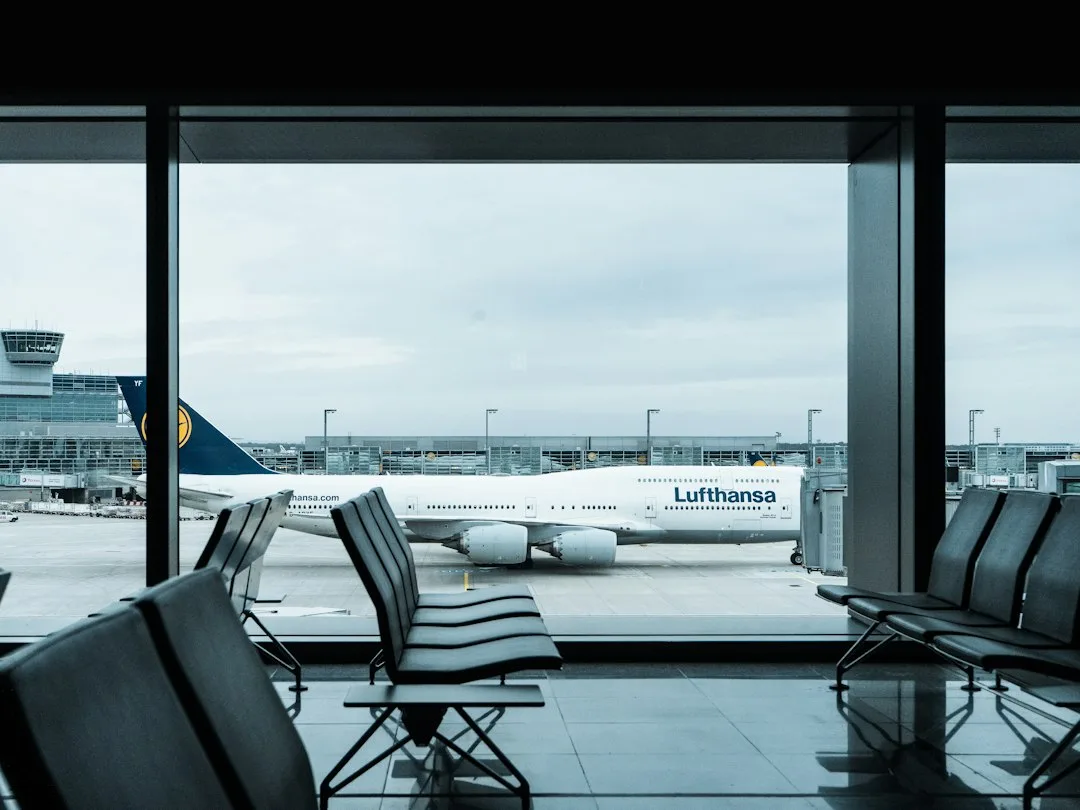
What once meant sitting in departure lounges now means exploring entire neighborhoods. Short-haul flight layover tourism transforms airport layovers into genuine travel experiences, powered by faster regional routes and strategic hub redesigns.
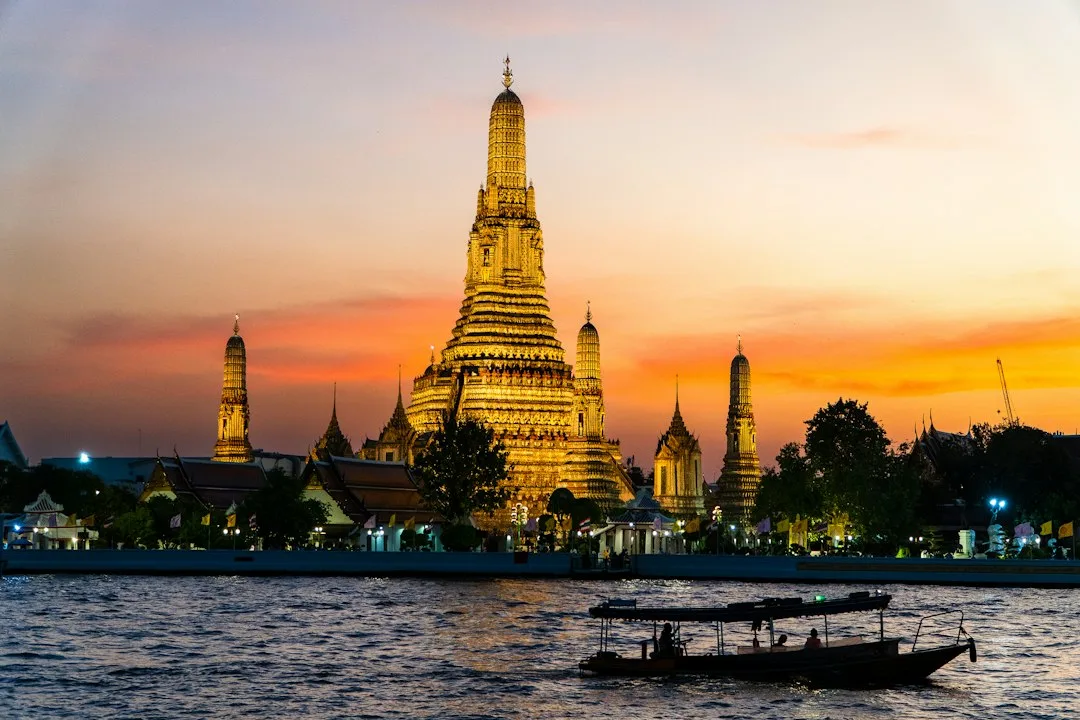
Slow travel tourism Southeast Asia is displacing the seven-country-in-ten-days model. Travelers now anchor in single regions for weeks, building community ties and reducing the carbon waste that defined 2024 tourism.

Travelers are abandoning passive sightseeing for meaningful cultural immersion—staying with local families, learning traditional crafts, and eating where residents eat. This shift reshapes how people understand destinations and return home transformed.
Apartment swaps travel eliminates hotel expenses by exchanging homes with travelers worldwide. This direct peer-to-peer model is replacing traditional hotel bookings for city explorers who want authentic neighborhoods at zero nightly rates.
Family-friendly road trip planning has become the dominant travel trend for North American families seeking affordable, flexible vacations away from crowded airports. Real data shows multi-stop routes with strategic rest points cut backseat stress by 40% versus direct drives.
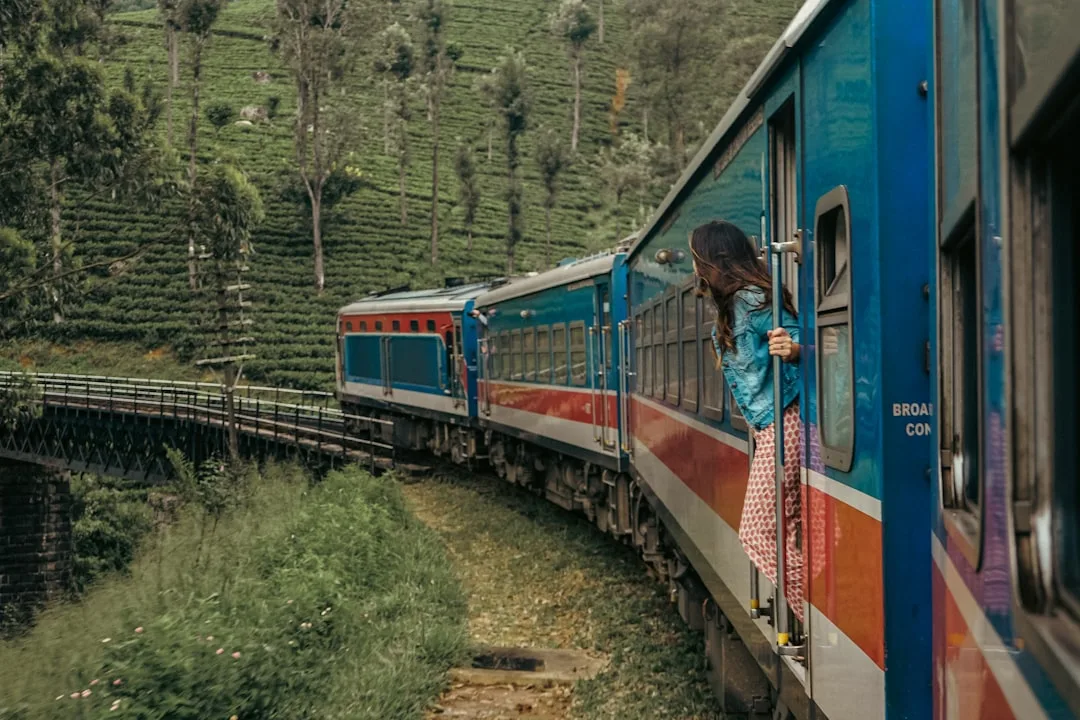
Regional train passes are replacing point-to-point ticket purchases across Asia, offering travelers access to multiple countries through a single rail pass. In 2026, this shift cuts accommodation hop costs and unlocks slower travel rhythms that international tourists increasingly crave.

Urban rooftop travel escapes are redefining how travelers experience cities in 2026—moving beyond street-level tourism to wellness-focused, design-forward sanctuaries. This shift reshapes where affluent and mid-market travelers actually spend their time when visiting urban destinations.
Bleisure travel destinations are reshaping how professionals extend work trips into longer vacations. By 2026, these hybrid locations now offer co-working spaces, wellness amenities, and flexible accommodation for remote workers seeking both productivity and exploration.
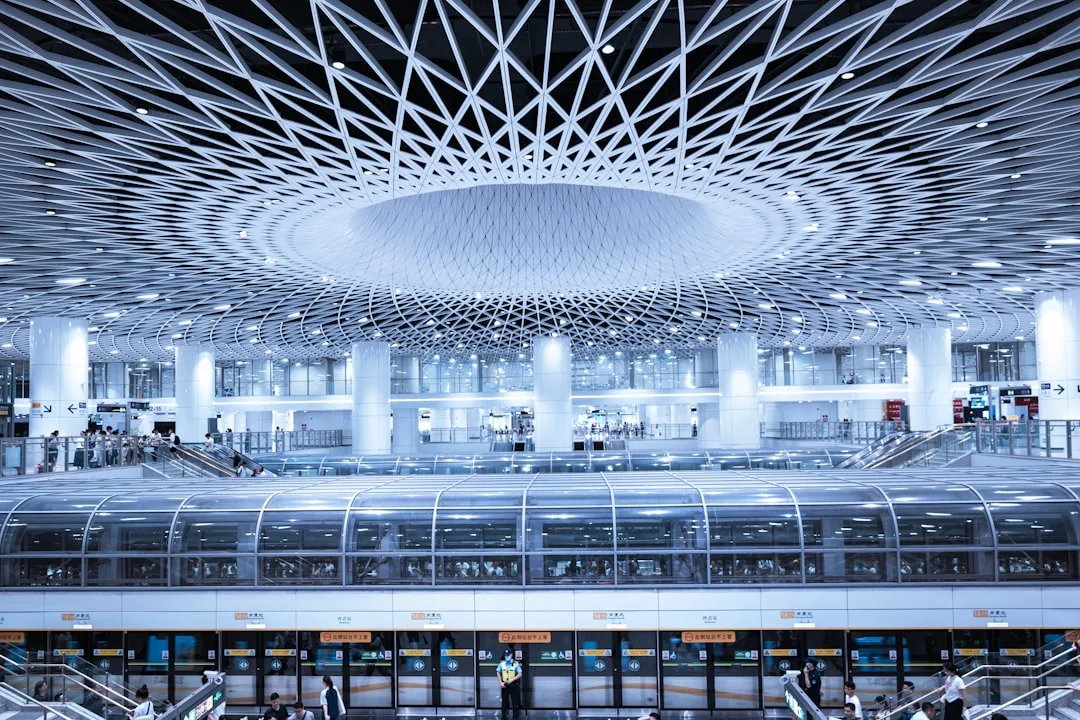
Regional flight hubs are rewriting how travelers build itineraries by creating direct pathways to secondary cities that major carriers ignore. This shift lets you bypass crowded megahubs entirely, cutting travel time and discovering authentic destinations before they hit mainstream radar.

Affluent travelers are abandoning traditional hotel chains for luxury accommodations designed around movement and flexibility. Nomadic luxury properties offer full amenities, curated local experiences, and the freedom to change locations every week—redefining what premium travel means in 2026.
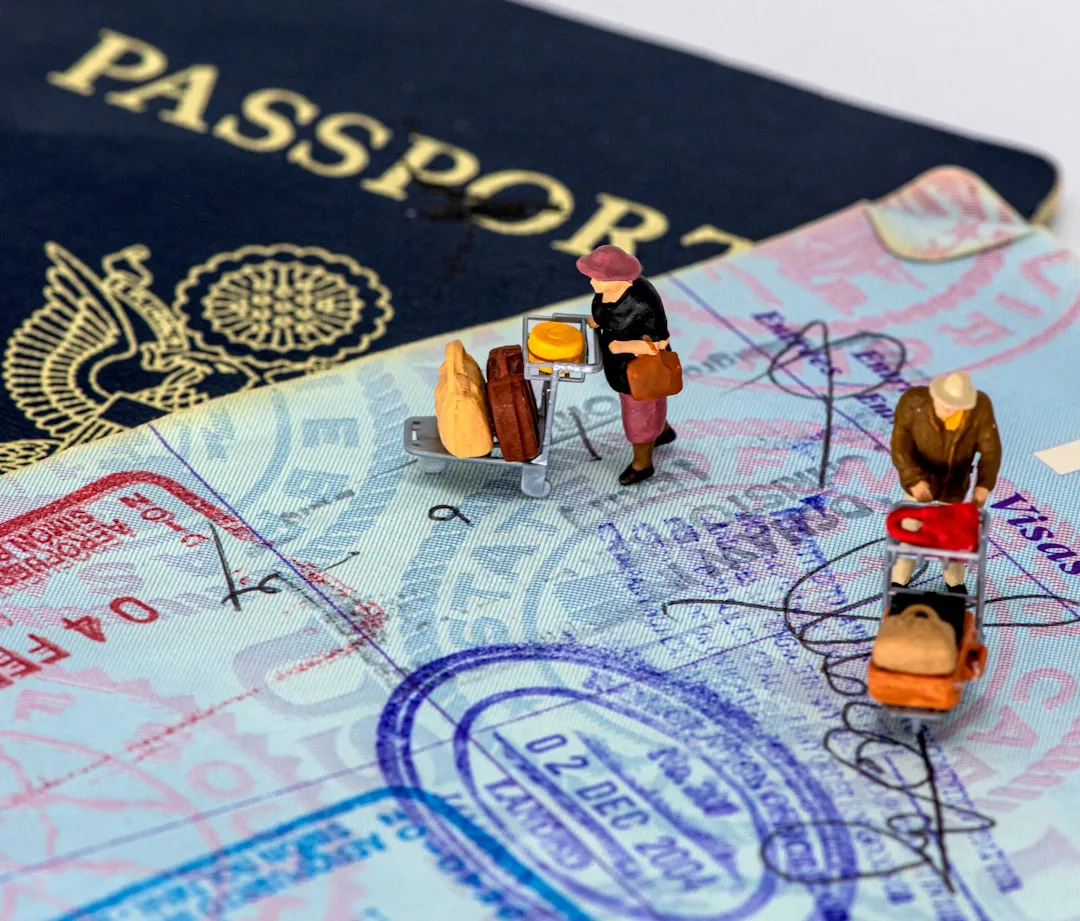
Travel planners are abandoning fixed annual trips in favor of route-based itineraries that follow seasonal passport windows—periods when visa processing accelerates, border wait times drop, and diplomatic openings create windows of opportunity. This shift redefines how frequent travelers structure multi-country journeys around administrative calendars rather than weather alone.

Travelers are abandoning the obsession with distant, expensive destinations. Instead, proximity travel hotspots within driving distance are reshaping summer vacation plans across North America in 2026.
There’s a certain relief that comes with walking past baggage claim while everyone else waits for their suitcase to appear on the carousel. No lost luggage, no extra fees, no standing around after a long flight. For a trip of about a week, packing everything into a single carry-on is more realistic than most people … Read more

Bleisure travel accommodations—hybrid spaces designed for both work and vacation—are redefining where remote professionals actually book their extended trips. Unlike traditional workations, these properties prioritize seamless office setup and lifestyle balance, not just desk access.
In recent years, the concept of a holiday has undergone a profound transformation. The traditional itinerary, once packed with frantic sightseeing, rigid schedules, and crowded tourist traps, is increasingly being replaced by a desire for profound rest. Modern travellers are seeking out environments that actively lower their cortisol levels, replenish their mental energy, and soothe … Read more
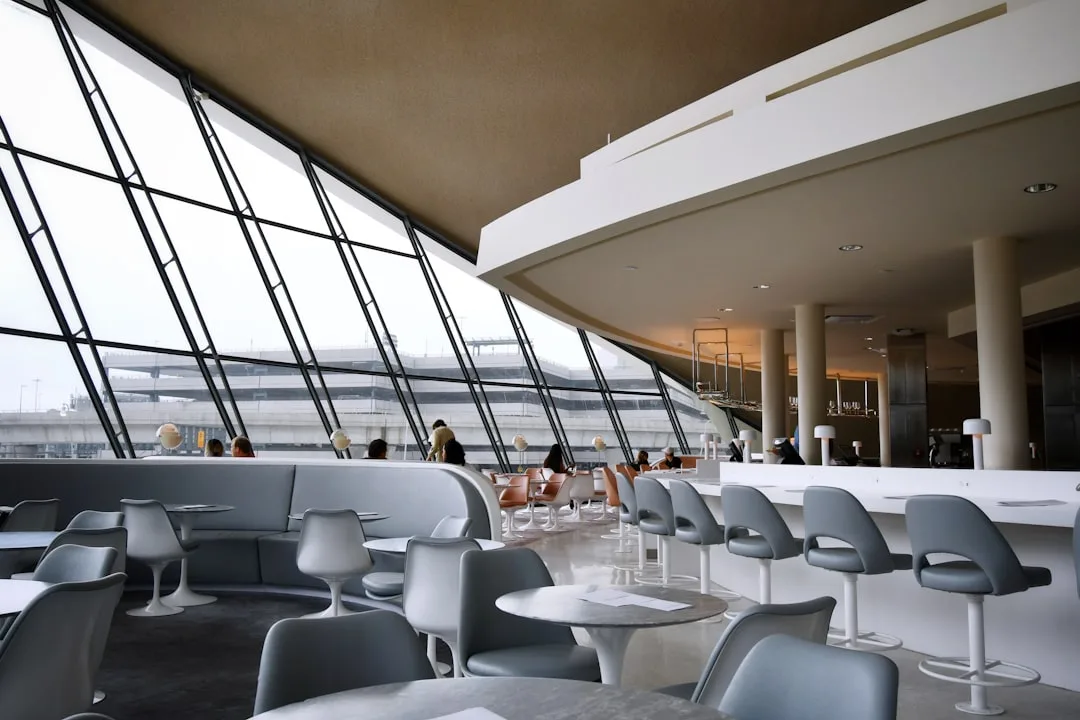
You arrive at the gate two hours early, rolling carry-on in hand, only to find every seat claimed and the charging stations occupied. The departure board flickers. Your flight boards in 90 minutes. This is the moment airport lounge access becomes less luxury and more necessity—and in 2026, the shift is unmistakable. Priority seating, shower … Read more
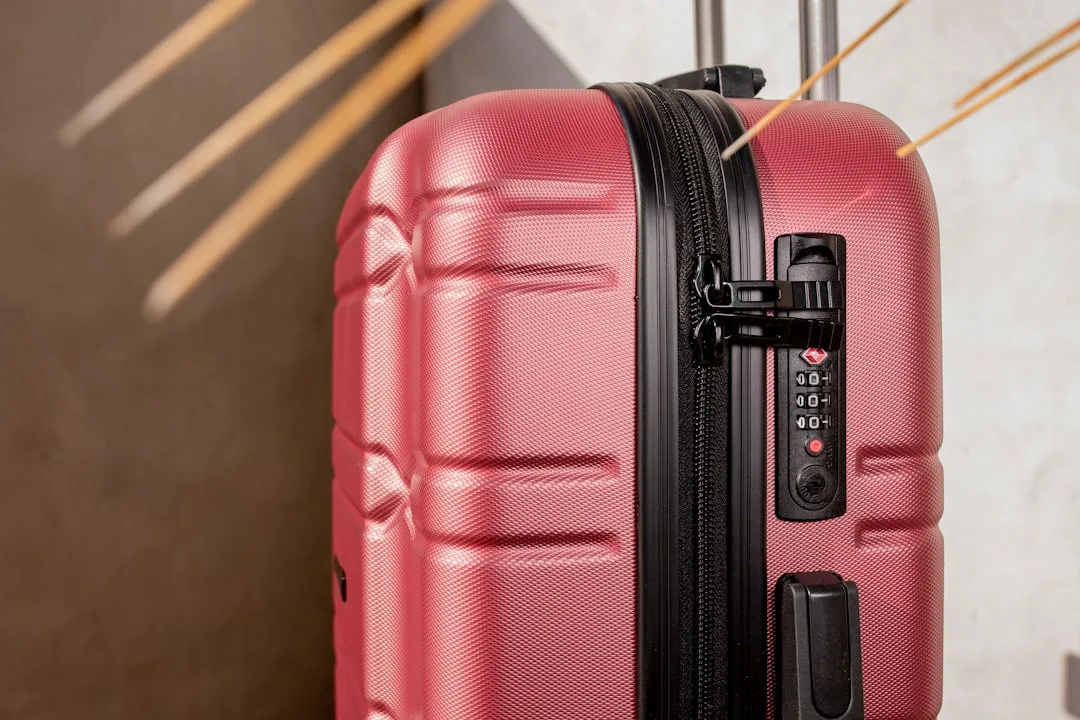
Last summer, a Chicago businessman watched his suitcase disappear at Atlanta Hartsfield-Jackson International Airport. The airline found it three days later—in San Juan, Puerto Rico. His paper baggage tag had peeled off mid-transit. Had he carried a digital luggage tag with real-time GPS, he would have known within minutes where his bag traveled. Today in … Read more
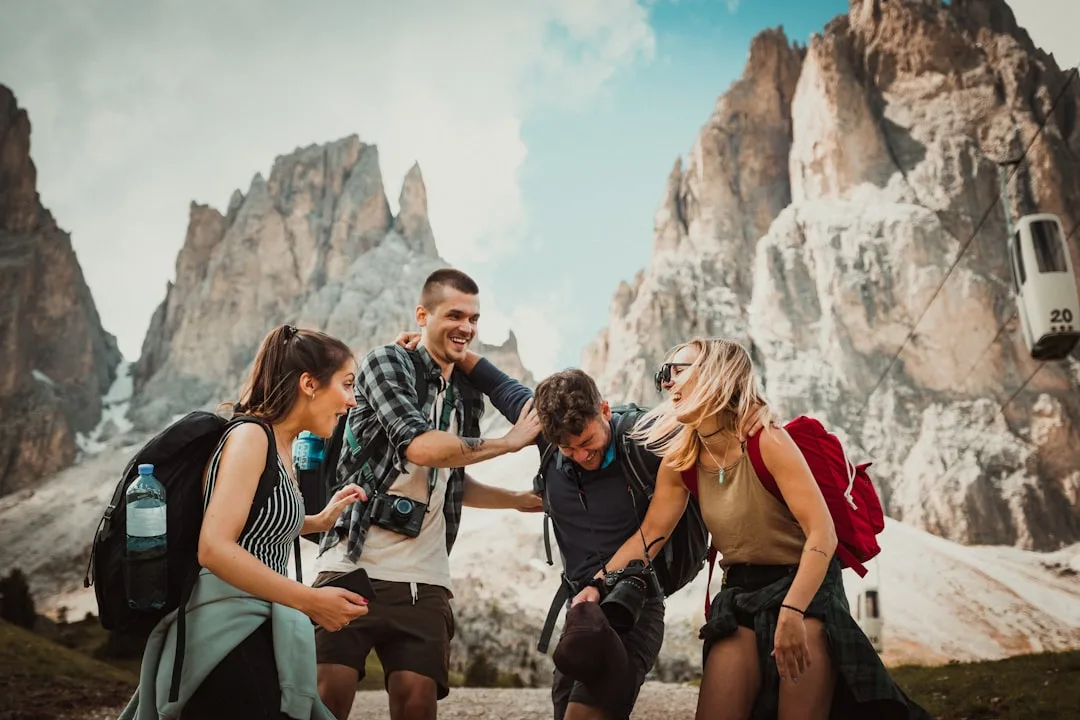
The solo traveler sitting alone in a hotel restaurant, scrolling through Instagram, watching tables of group-tour families laugh together—that image is vanishing in 2026. Instead, solo travelers are joining micro-communities: small, curated groups of 4–12 strangers united by a specific skill, location, or mission rather than a booking site. This shift isn’t about loneliness recovery; … Read more
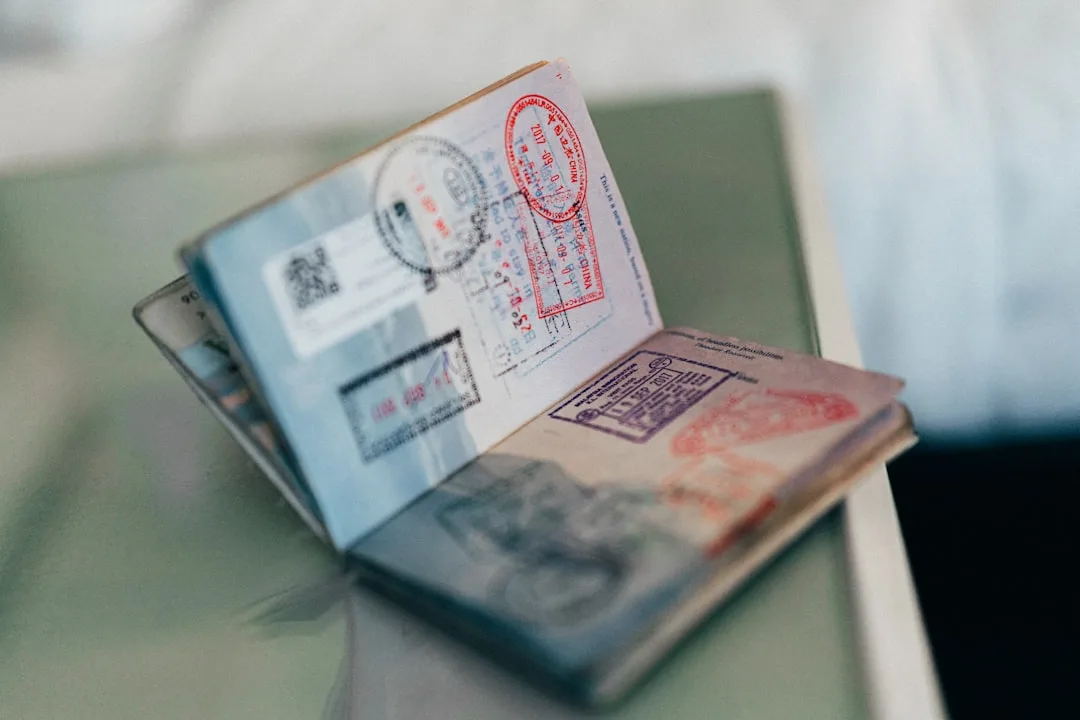
You arrive at Chiang Mai airport with a six-month itinerary across Southeast Asia—Thailand, Cambodia, Vietnam, Laos, and Myanmar—only to discover you need separate visas for each country, each requiring 4–6 weeks of processing and $150–400 in fees. This friction is exactly what’s disappearing in 2026. Multi-destination visa passes are consolidating regional travel into single-application systems, … Read more

You’re halfway through a helicopter ski run in the Canadian Rockies when your guide radios base camp: one client’s standard travel insurance explicitly excludes backcountry terrain. The other traveler—insured with a specialist adventure policy—receives immediate evacuation coverage worth $50,000. This gap between generic and tailored protection defines travel insurance in June 2026. Standard policies have … Read more
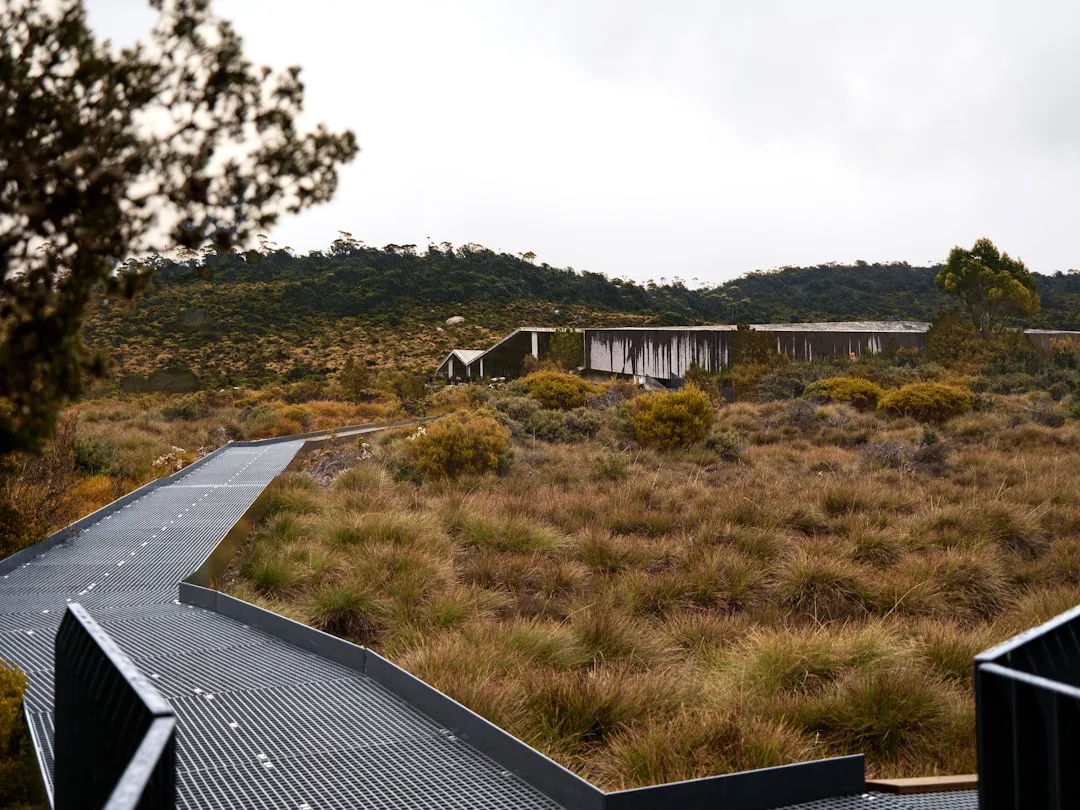
Travelers are no longer willing to ignore the environmental footprint of where they sleep. Gone are the days when a five-star resort’s marble lobby and turndown service justified its water consumption and waste output. In 2026, the demand for sustainable travel accommodations has shifted from niche eco-tourism to mainstream expectation—and hotels without certification are losing … Read more
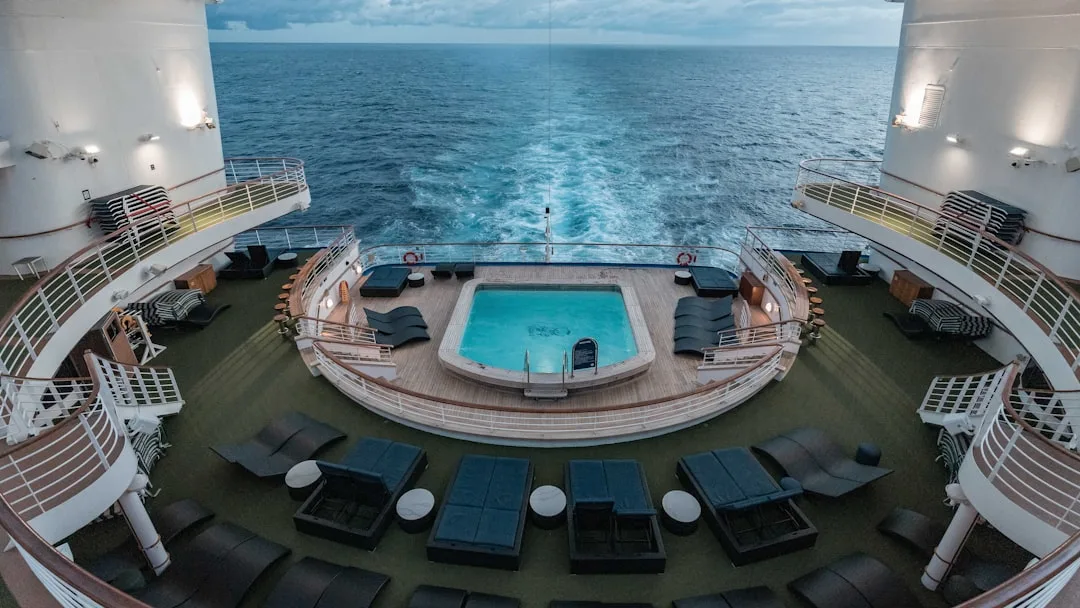
Stand on the lido deck of Royal Caribbean’s Icon of the Seas, and you’ll notice something has shifted. The onboard experience no longer resembles a floating budget hotel—it’s now a mobile five-star resort anchored at sea. Cruise ship luxury amenities have evolved so dramatically since 2024 that industry veterans barely recognize the category anymore. What … Read more
The Infrastructure That Makes Workations Real By 2026, the logistics of remote work have matured beyond Wi-Fi reliability and time zone coordination. Workation destinations now feature purpose-built co-working spaces designed for serious professionals, not just digital nomads passing through. High-speed fiber connections, backup power systems, and dedicated meeting rooms have become standard amenities in beach … Read more
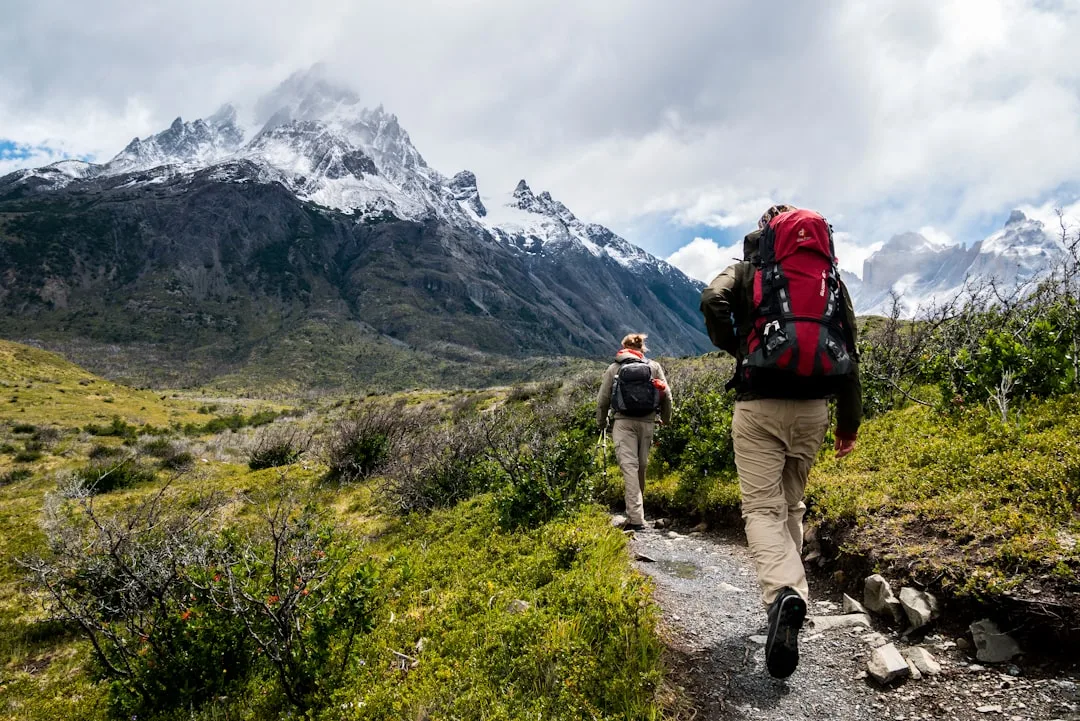
Micro-adventure tourism is capturing 68% of leisure travel bookings in 2026, surpassing traditional week-long vacation packages for the first time. These high-intensity, short-duration experiences—typically lasting 12 to 48 hours within a 100-mile radius of home—eliminate travel fatigue, reduce carbon footprint, and deliver measurable adrenaline payoff without sabbatical-length commitment. Travelers now prioritize intensity over duration, booking … Read more
Immersive travel experiences have surged 340% in booking volume since January 2026, with travelers willing to spend 60% more per trip when hands-on cultural engagement is included. The shift from passive sightseeing to active participation marks the most significant pivot in luxury travel since the wellness retreat boom of 2023, driven by younger affluent demographics … Read more

Wellness retreats travel bookings have increased 47% year-over-year as of May 2026, reflecting a fundamental shift in how affluent travelers allocate vacation budgets toward mental restoration rather than passport collection. This trend emerged from post-pandemic behavioral change: travelers now demand tangible health outcomes from getaways, not just Instagram moments. Wellness retreats travel combines accommodations with … Read more

Over 35 countries now offer official digital nomad visa programs—a 220% increase since 2023. These long-stay visas explicitly permit remote work for non-residents, fundamentally reshaping how professionals approach relocation. Unlike tourist visas capping stays at 30 days, digital nomad visas typically authorize 1–3 years of residence without requiring local employment, making them the fastest-growing visa … Read more
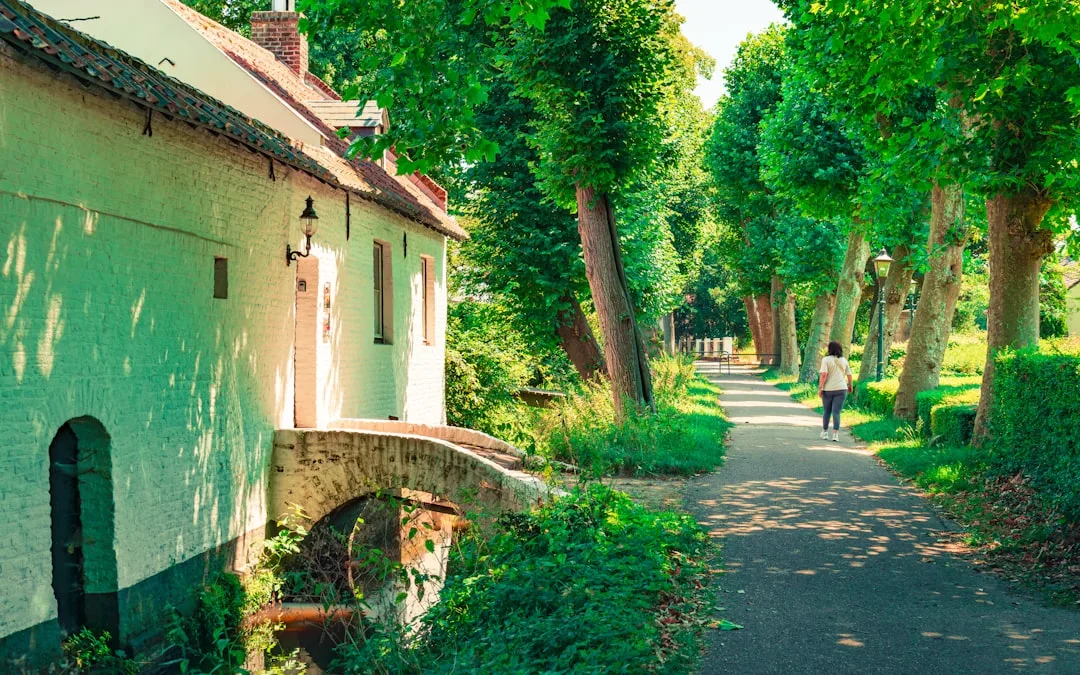
Slow travel—staying in one location for weeks or months instead of days—is projected to grow 34% among leisure travelers in 2026, according to Airbnb’s Global Travel Report. This counter-trend to Instagram-fueled bucket-list tourism is reshaping where people go and why they go there. Unlike rapid city-hopping, slow travel prioritizes depth over distance, local relationships over … Read more