
A window is never just a window. It sets the light, defines the scale of a room, and quietly dictates how every other piece of furniture reads. Yet window treatments are one of the most deferred decisions in home design — picked last, replaced rarely, and almost always underestimated. The right shade, blind, curtain, or drapery panel can cut harsh afternoon glare, add 12 to 18 inches of perceived ceiling height, and tie a disparate color palette into a single coherent story. The wrong one leaves a beautifully decorated room looking unfinished.
This guide collects every angle of the topic: room-by-room treatment ideas, color and style guides, door and specialty window solutions, budget options, and the smart technology reshaping how we control light. Whether you are starting from scratch or replacing what came with the house, the articles below will help you land on something that feels deliberate.
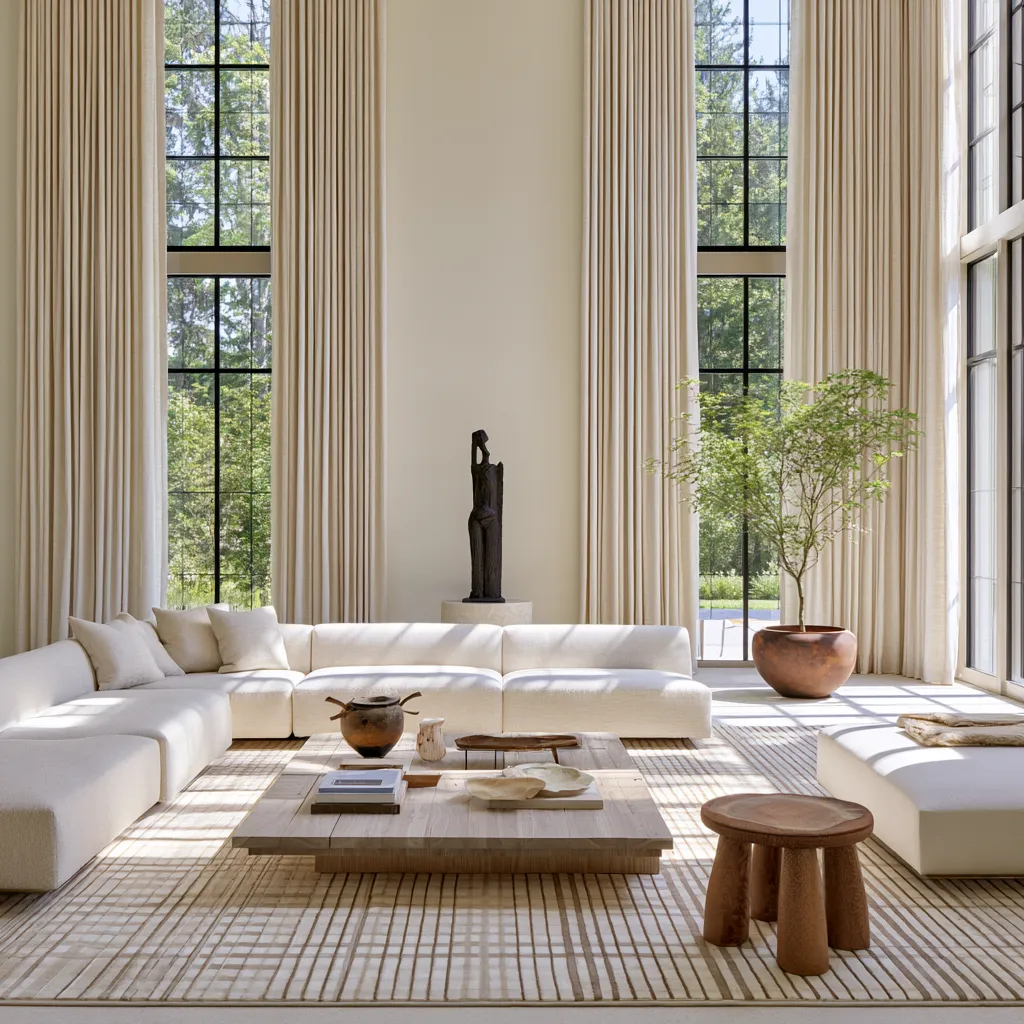
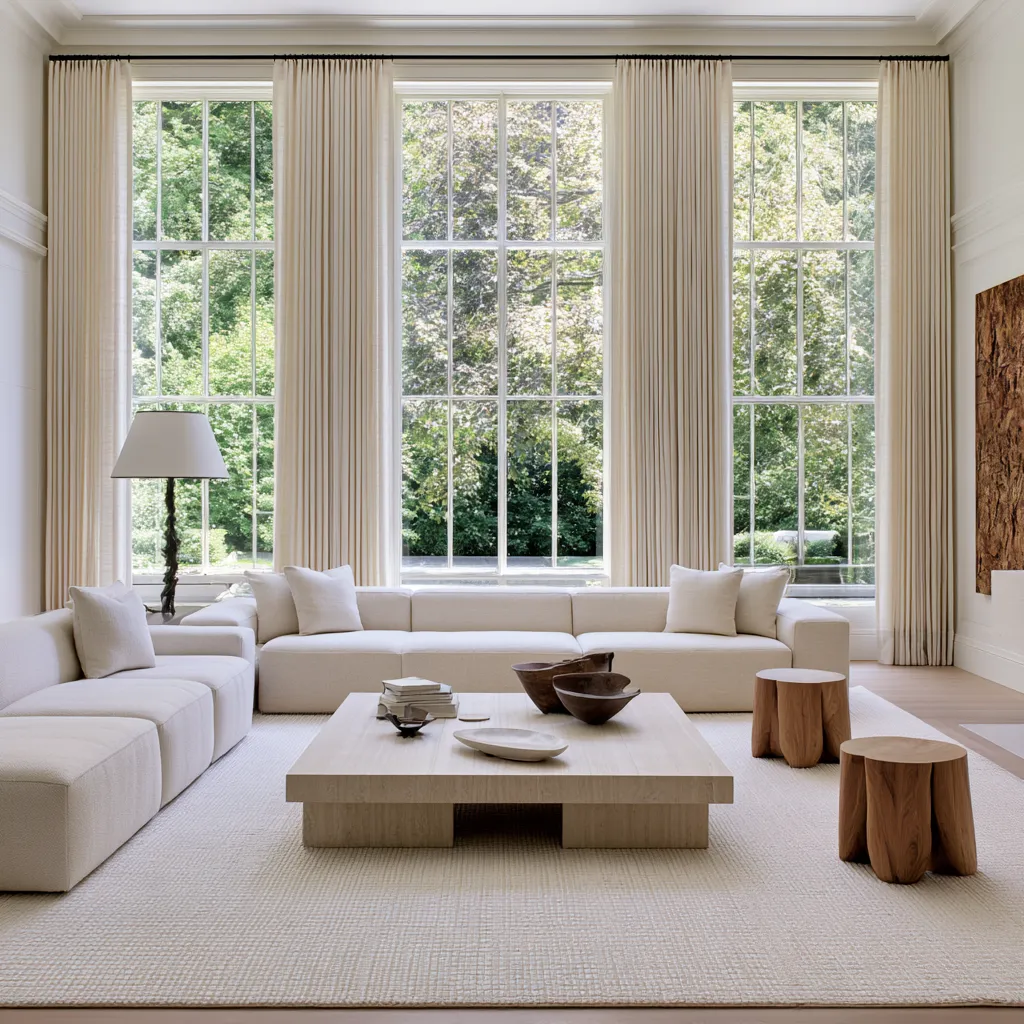
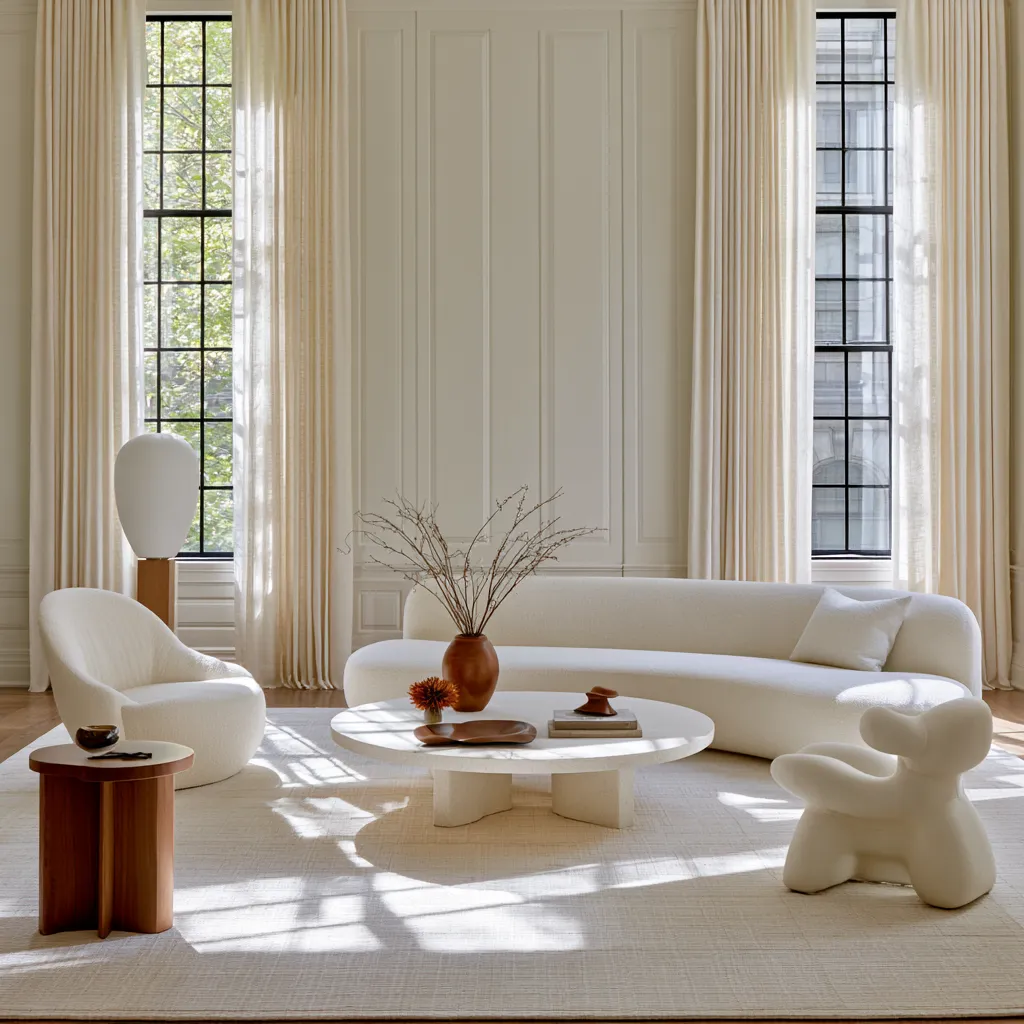
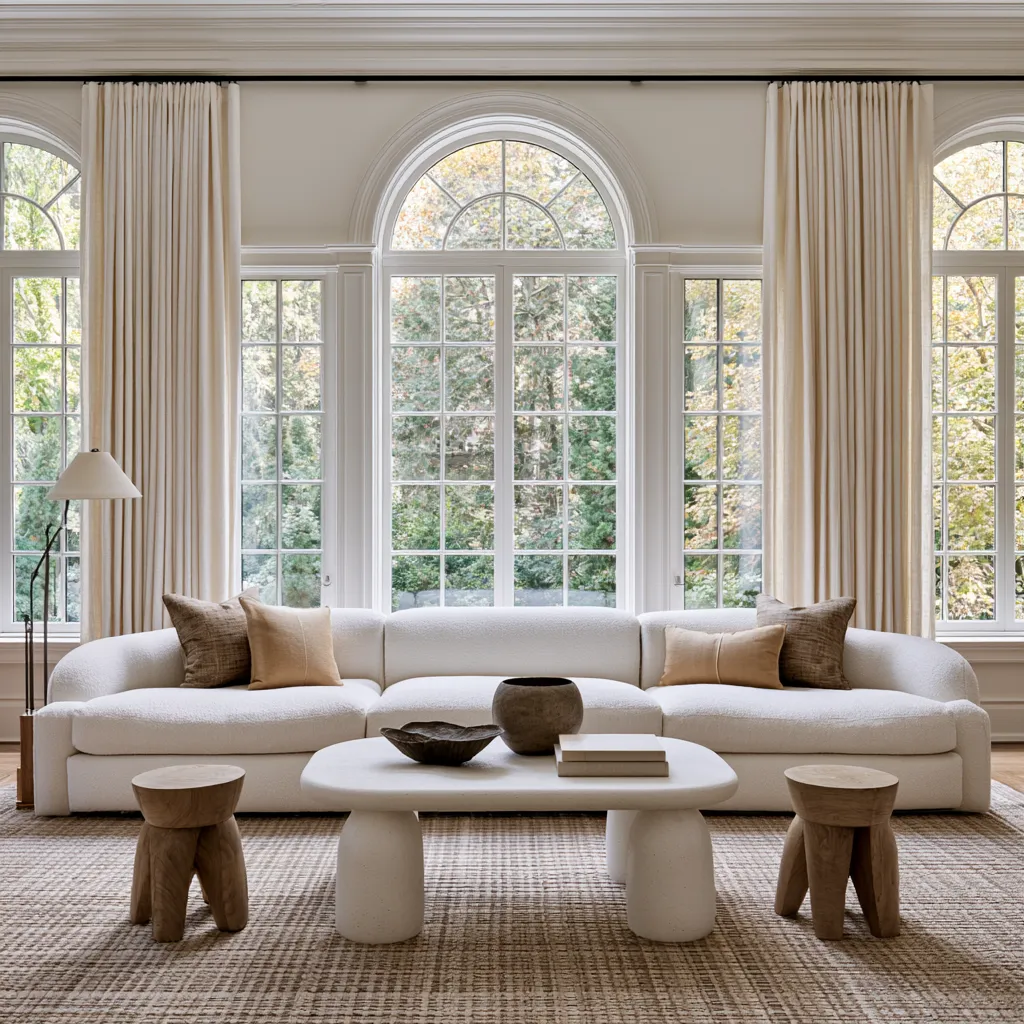
What to Know Before Choosing Your Window Treatments
The window treatment market in the United States alone is valued at over $6 billion, with custom and semi-custom options driving the fastest growth segment. Despite that volume, most homeowners report that they replace their window coverings only once every 10 to 15 years — meaning the decision carries more long-term weight than almost any other soft furnishing purchase. Four variables should anchor every choice: light control, privacy, insulation, and style. Getting all four right in one product is possible; it just requires knowing which category of treatment handles what.
| Treatment Type | Light Control | Privacy | Insulation Value | Best Rooms | Avg. Cost Range (per window) |
|---|---|---|---|---|---|
| Sheer Curtains | Diffused only | Low | Minimal | Living room, dining room | $30–$120 |
| Blackout Curtains | Full block | High | Moderate | Bedroom, nursery, media room | $60–$250 |
| Roman Shades | Light filtering to blackout | Medium–High | Moderate | Kitchen, bedroom, office | $80–$400 |
| Roller Blinds | Light filtering to blackout | Medium–High | Low–Moderate | Kitchen, bathroom, minimalist spaces | $40–$300 |
| Wooden Blinds | Adjustable slats | Medium | Moderate | Living room, office, bedroom | $100–$500 |
| Motorized Blinds | Programmable | High | Moderate | Any room, especially large windows | $200–$1,200 |
| Valances | Decorative only | None | Minimal | Kitchen, dining room | $25–$150 |
| Bamboo Shades | Filtered natural light | Low–Medium | Low | Living room, sunroom | $50–$300 |
Room by Room Window Treatment Ideas
Every room has a distinct set of demands. A bathroom needs moisture resistance and privacy above all. A living room wants ambiance and flexibility. A kitchen balances practicality with style. The articles below break down what actually works, room by room, with real product guidance and visual inspiration.
Living Room Window Treatments
The living room is the most publicly visible space in the home and the one where window treatment style carries the greatest decorative weight. Drapery here can run floor-to-ceiling to amplify height, or stop at the sill for a more casual, layered look. The articles below cover everything from tasseled trims and monochrome palettes to bamboo shades and bold blinds.
- 7+ Fresh Window Treatment Ideas to Reinvent Your Living Room
- 6+ Living Room Curtain Ideas with Tassels and Trims for an Eclectic Interior
- 7+ Living Room Curtain Ideas in Black and White for a Monochrome Design
- 10+ Living Room Curtain Ideas with Bamboo Shades for a Zen Asian Aesthetic
- Find Your Perfect Living Room Curtain Style Today
- 20+ Chic Living Room Blinds Ideas for a Stunning Home Update
- 30+ Curtains and Drapes Ideas Living Room Guide to Choosing the Right Fabrics
- 20+ Drapery Ideas for Living Room Tips for Mixing and Matching Fabrics for a Unique Look
- Mid-Century Modern Living Room Charm with Stylish Drapery Designs
- Art Deco Inspired Living Room Revival with Bold Drapery Designs
- Industrial Edge Living Room Makeover with Bold Drapery Designs
- Minimalist Chic Drapery Designs to Simplify Your Living Room Decor
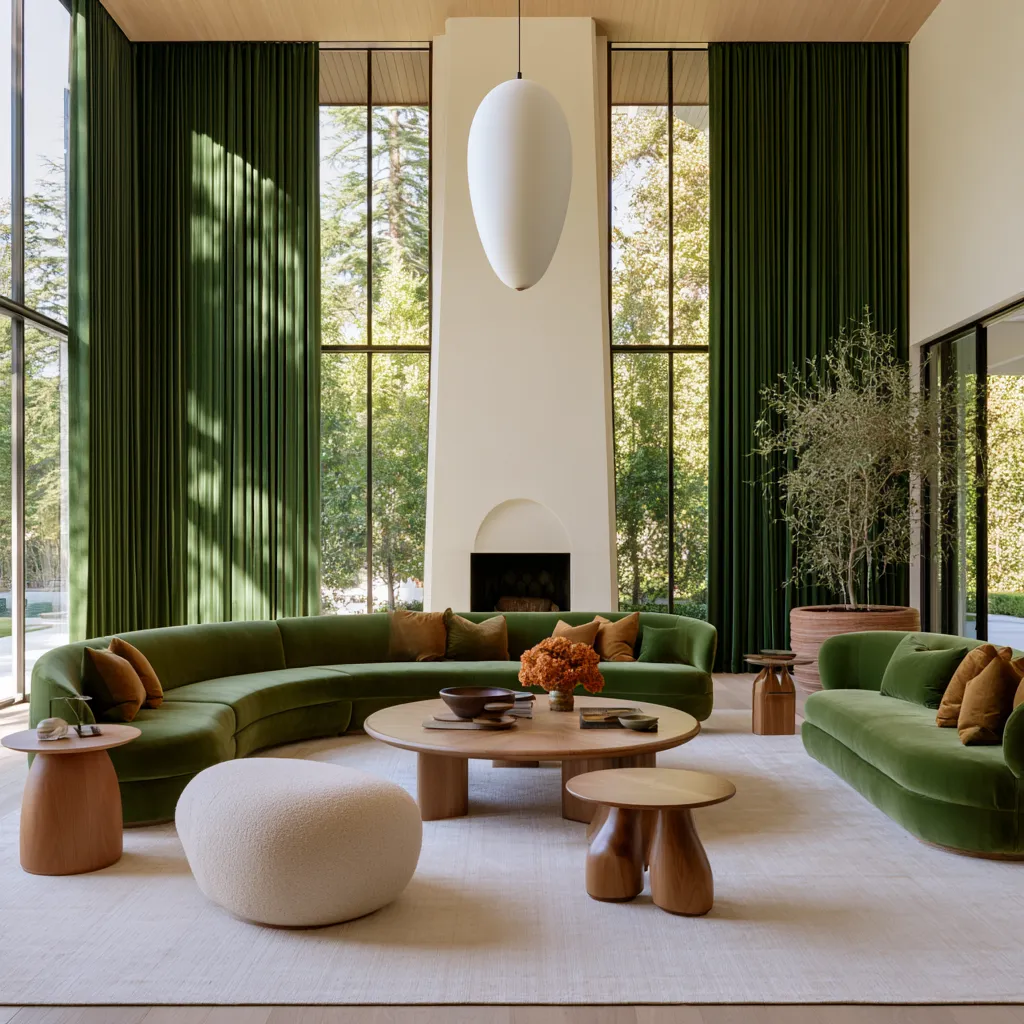
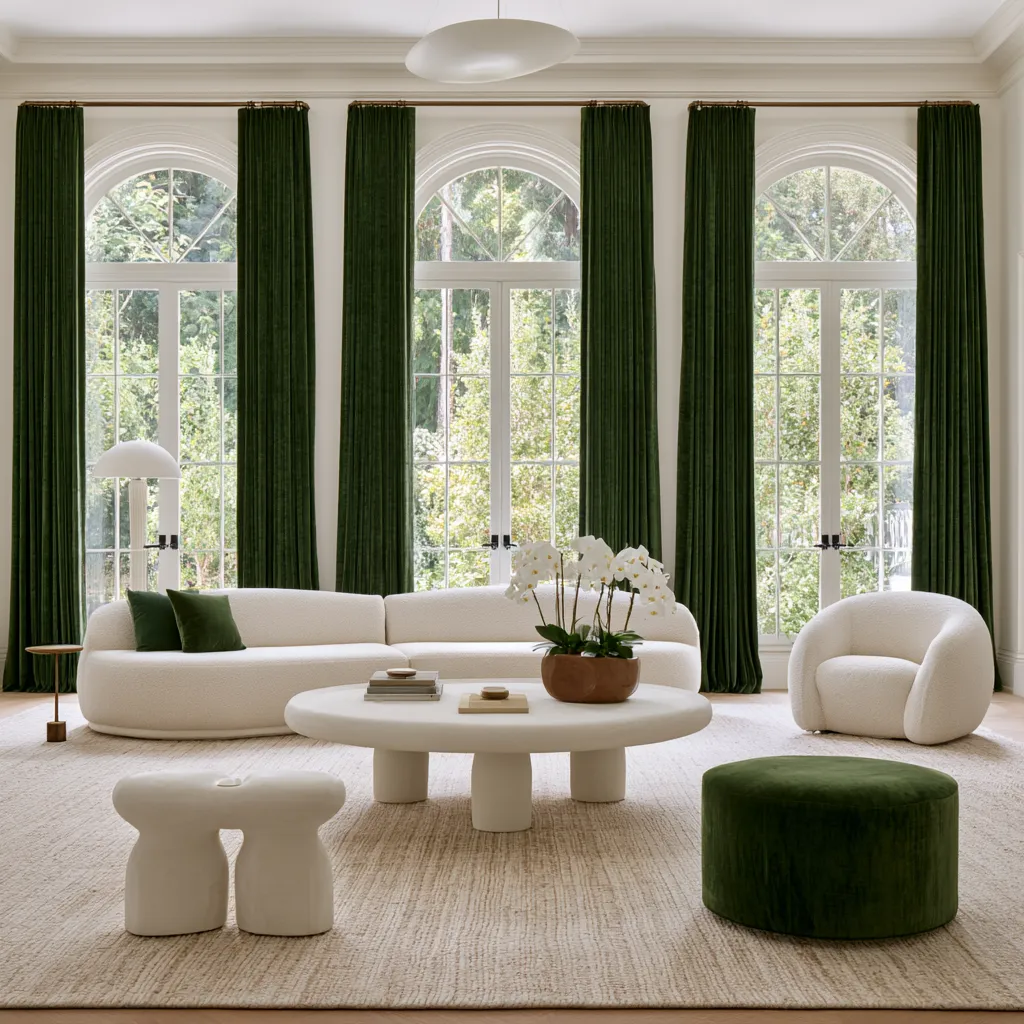
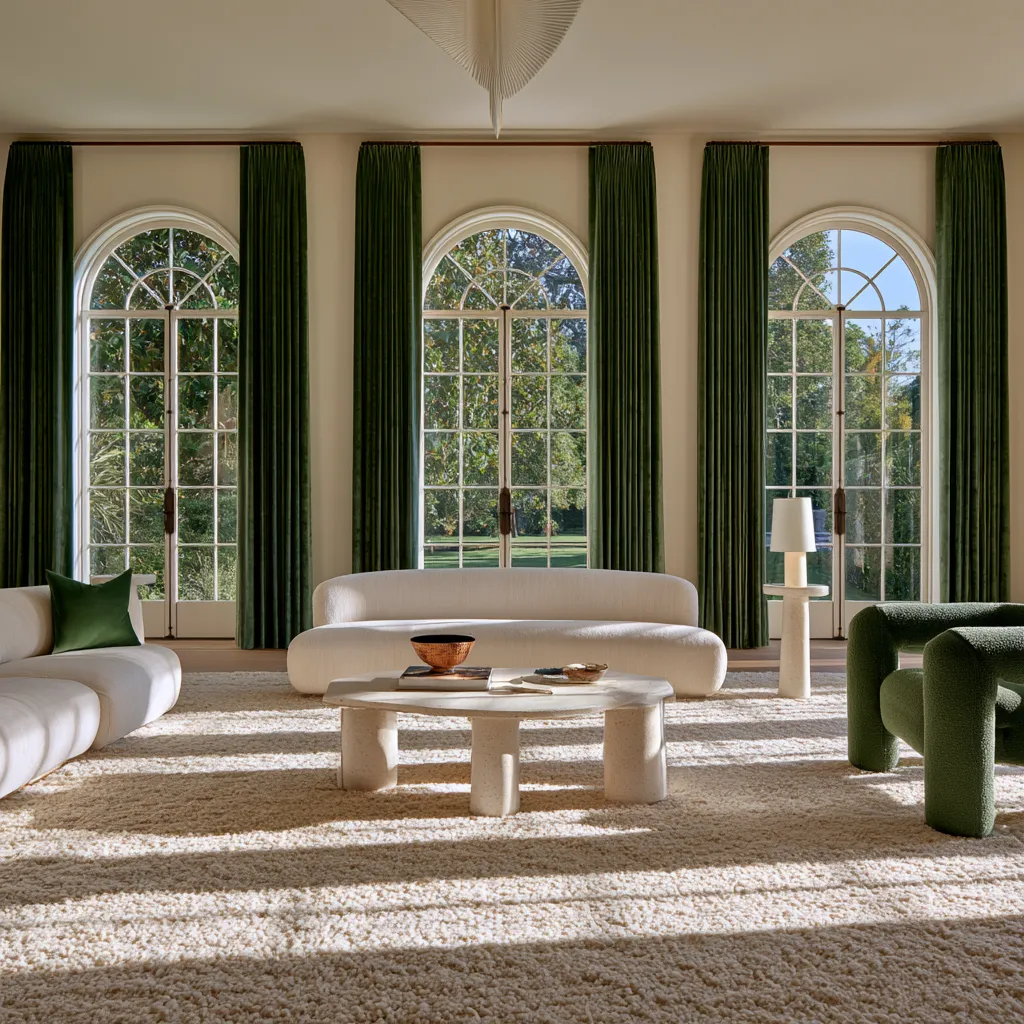
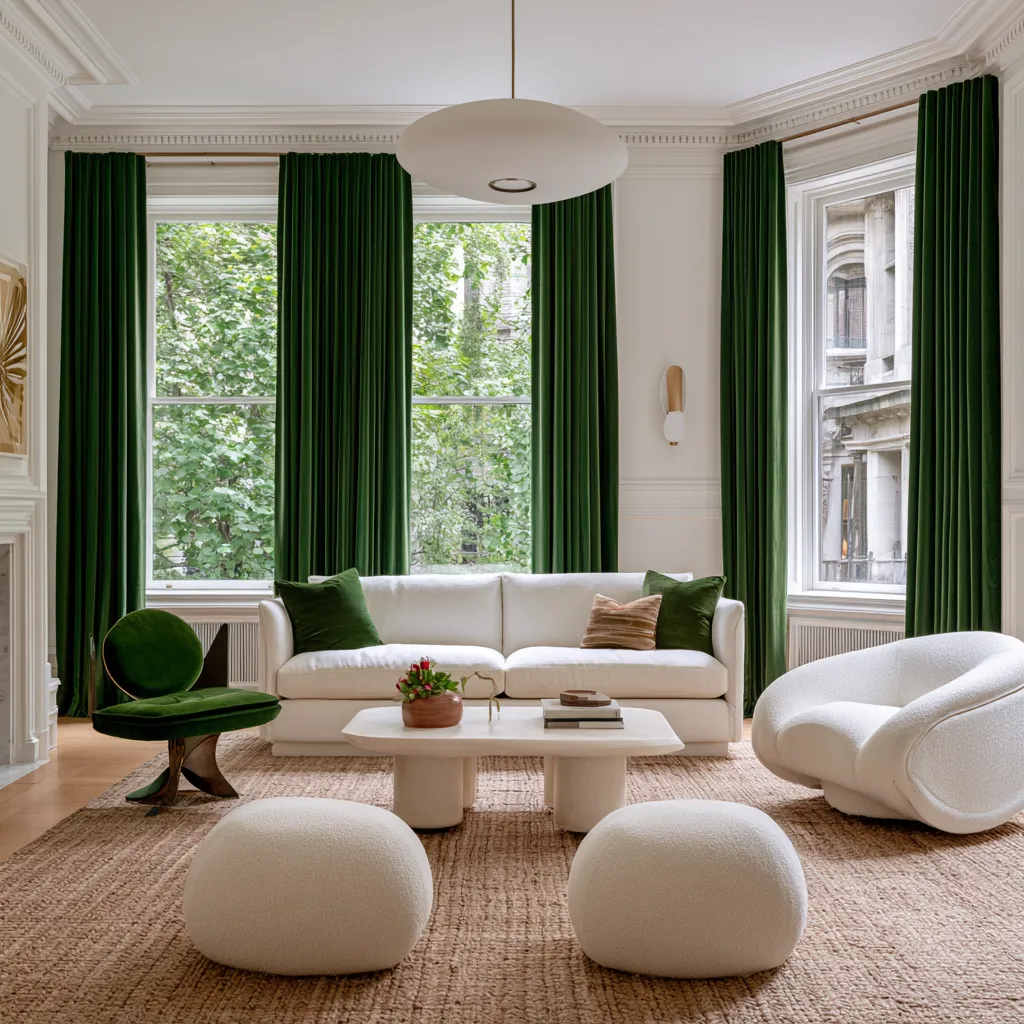
Bedroom Window Treatments
Bedrooms demand more from window treatments than any other room. Blackout functionality matters for sleep quality — research consistently shows that even low-level light exposure during sleep disrupts melatonin cycles. Beyond function, the bedroom is a private canvas: color, texture, and length choices here are purely personal. The articles below span curtain colors from terracotta and blush to deep blue and maroon, plus comprehensive blind and drapery roundups.
- 10+ Popular Bedroom Window Treatment Ideas
- 7+ Playful Pink Curtain Design for Bedroom Decor
- White Bedroom Curtains — 7+ Aesthetic Ideas
- 5+ Warm Curtain Ideas for Bedroom in Terracotta for a Cozy Retreat
- Blue Bedroom Curtains That Pull the Whole Room Into a Calmer Place
- Top Bedroom Blind Ideas for a Perfectly Styled Space
- 33+ Must-See Bedroom Drapery Ideas for a Stylish Update
- 10+ Bold Bedroom Window Covering Ideas in Maroon
- 8+ Warm Bedroom Window Covering Ideas in Orange
- 9+ Stylish Bedroom Window Covering Ideas in Purple
- 6+ Cozy Bedroom Window Covering Ideas in Green
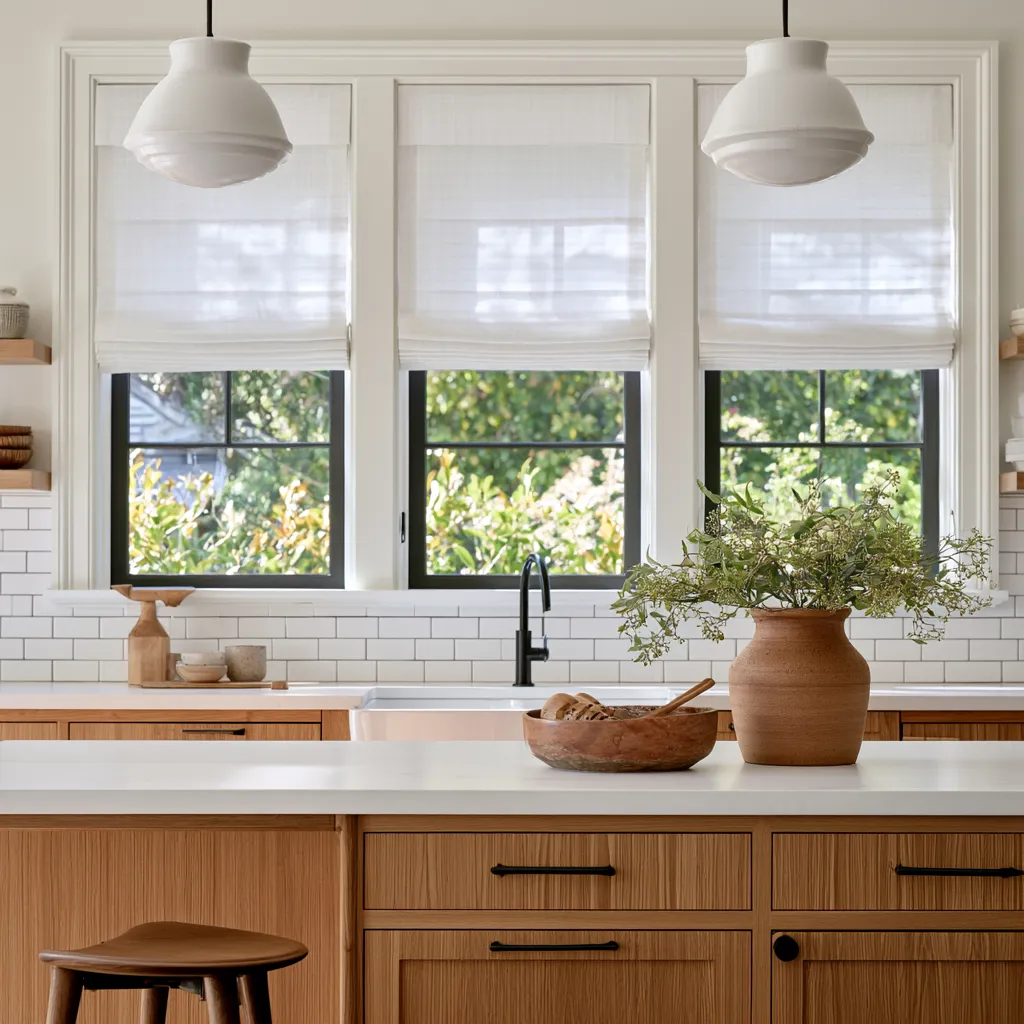
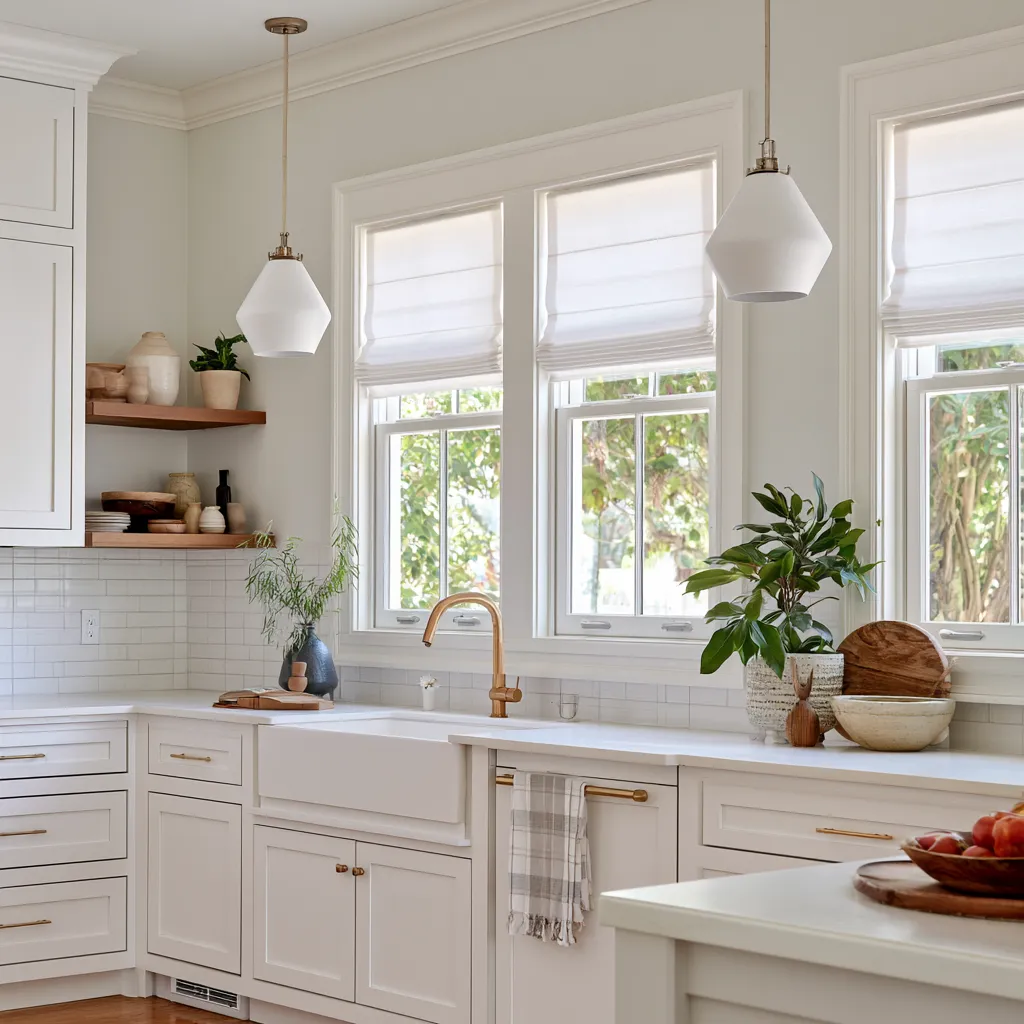
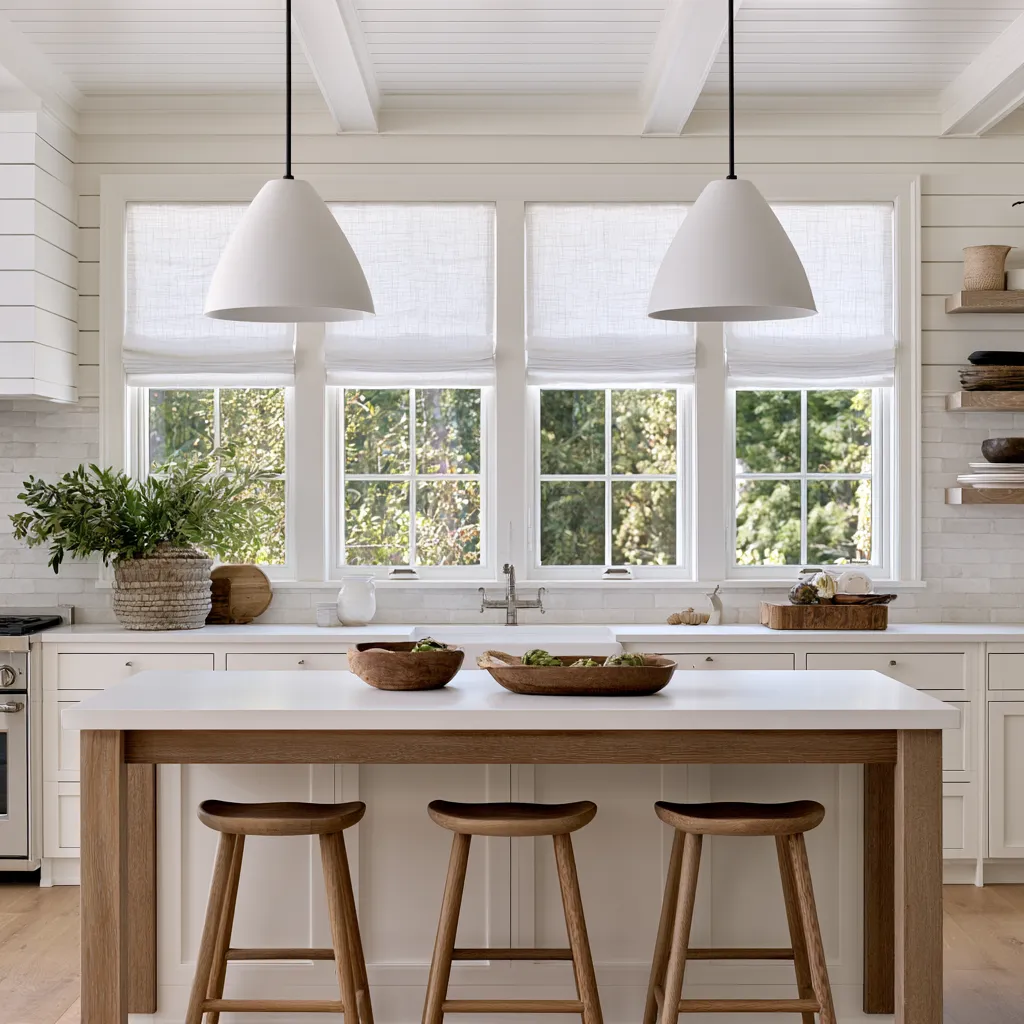
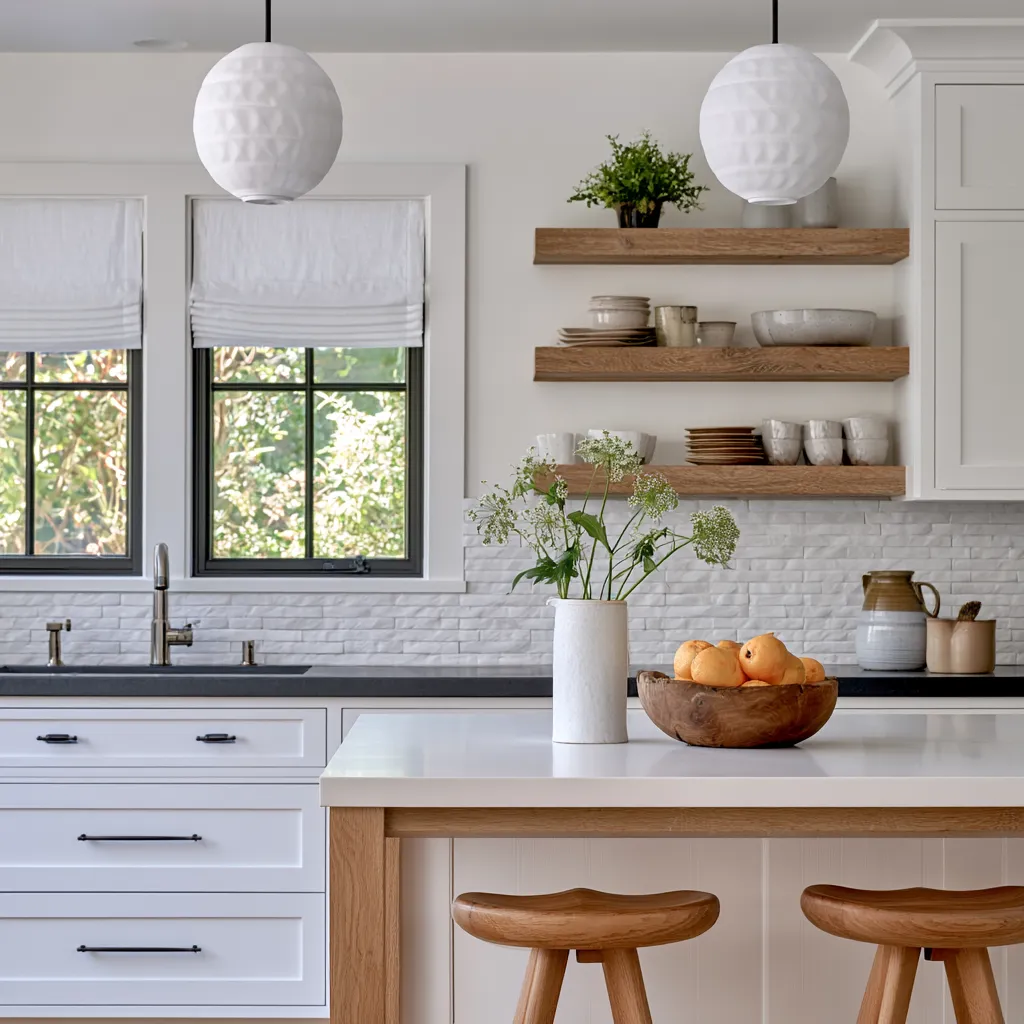
Kitchen Window Treatments
The kitchen presents a unique challenge: treatments must handle humidity, grease, and direct sunlight while remaining easy to clean and visually cohesive with cabinetry, countertops, and backsplash. Café curtains, Roman shades in coated fabric, roller blinds, and valances all have a legitimate place here. The articles below cover modern approaches, farmhouse styling, and practical covering solutions for both small and large kitchen windows.
- Patterned Fabric on a Kitchen Window Pulls the Whole Room Into Focus
- How to Choose the Best Modern Kitchen Window Treatments
- 17+ Fresh Farmhouse Kitchen Window Treatment Ideas for a Rustic Touch
- Light Pours In Wrong Until You Fix the Kitchen Window Covering
- Simple Yet Stunning Kitchen Window Valance Ideas for Any Home
- 44+ Creative Kitchen Drapes Ideas for a Cozy Makeover
Dining Room Window Treatments
Dining rooms are often overlooked in window treatment planning, yet they are spaces where the drama of fabric and light plays out most visibly during evening meals. Long panels that pool slightly on the floor, Roman shades in textured linen, or bold patterned drapes all work beautifully here. Layering sheers beneath heavier panels gives flexibility from daytime entertaining to candlelit dinners.
- 10+ Innovative Dining Room Window Treatments for Any Design Aesthetic
- Makeover Your Dining Room with These Creative Window Treatment Ideas
- Fabric Does Half the Work. Dining Room Curtains Do the Other Half.
Bathroom Window Treatments
Privacy and moisture resistance are the twin constraints of bathroom window treatments. Faux wood blinds, roller shades in moisture-rated fabrics, café curtains mounted at mid-window, and top-down bottom-up cellular shades are the most practical choices. A bathroom window is also often the smallest in the house, which makes it a low-risk place to experiment with bold color or pattern.
- 3 Top Trends in Bathroom Window Treatments
- Bringing a Modern Twist to Bathroom Windows with Stylish Treatments
Window Treatments by Style and Color
Color is the most personal dimension of any window treatment choice. A single curtain panel can shift a room’s mood from playful to serene, from bold to restrained. The articles below approach style and color as serious design decisions, not afterthoughts — with specific fabric, pattern, and palette guidance for each direction.
Color-Specific Window Dressing Ideas
- 7+ Window Dressing Ideas in Forest Green and Ivory for Natural Ambiance
- 8+ Window Dressing Ideas in Pink and Grey for Subtle Elegance
- 10+ Window Dressing Ideas in Blue and White for Serene Interiors
- 3+ Creative Window Colour Schemes to Elevate Your Home Decor
Window Treatment Design Ideas by Color Palette
- 21+ Window Treatment Design Ideas Infused with the Warmth of Terracotta
- 18+ Window Treatment Design Ideas Complementing Pastel Pink Decor
- 15+ Window Treatment Design Ideas Showcasing Lively Lime Green
- 20+ Window Treatment Design Ideas Perfect for Rich Purple Settings
- 17+ Window Treatment Design Ideas Using Vibrant Red Shades
- 11+ Window Treatment Design Ideas with Bold Black Accents
Small Window Coverings by Color
Small windows require scaled-down solutions that don’t overwhelm the frame but still deliver personality. A narrow window is also an ideal place to use a bold accent color that would feel oppressive at full drapery scale. These guides cover small window coverings in every major palette direction.
- 4+ Serene Curtains for Small Windows Ideas in Green
- 10+ Vibrant Curtains for Small Windows Ideas in Red
- 6+ Elegant Curtains for Small Windows Ideas in Gray
- 10+ Playful Small Window Covering Ideas in Pink
- 13+ Sleek Small Window Covering Ideas in Black
- 7+ Elegant Small Window Covering Ideas for Green Rooms
- 10+ Brilliant Small Window Covering Ideas in Blue
Style-Driven Window Treatment Directions
- Reclaimed Wood Wins Every Time — Modern Farmhouse Window Treatments Finally Make Sense
- 3+ Simple Contemporary Window Treatment Ideas for Scandinavian Design
- How to Blend Mid Century Modern Window Treatments into Your Decor
- 21+ Modern Window Treatment Ideas for Minimalist Interiors
- Roller Blinds and Curtains That Make a Minimalist Room Look Finished
- 18+ Sophisticated Curtain Designs That Will Transform Your Windows
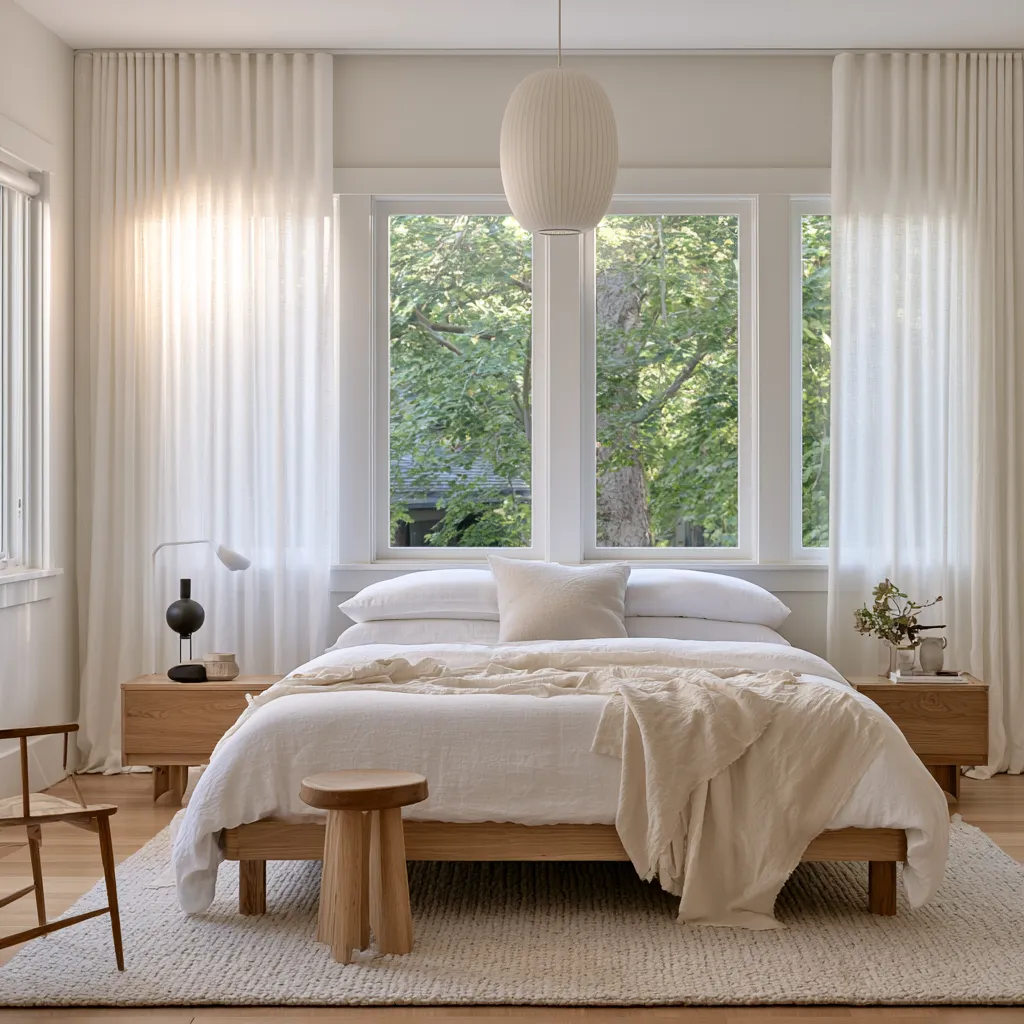
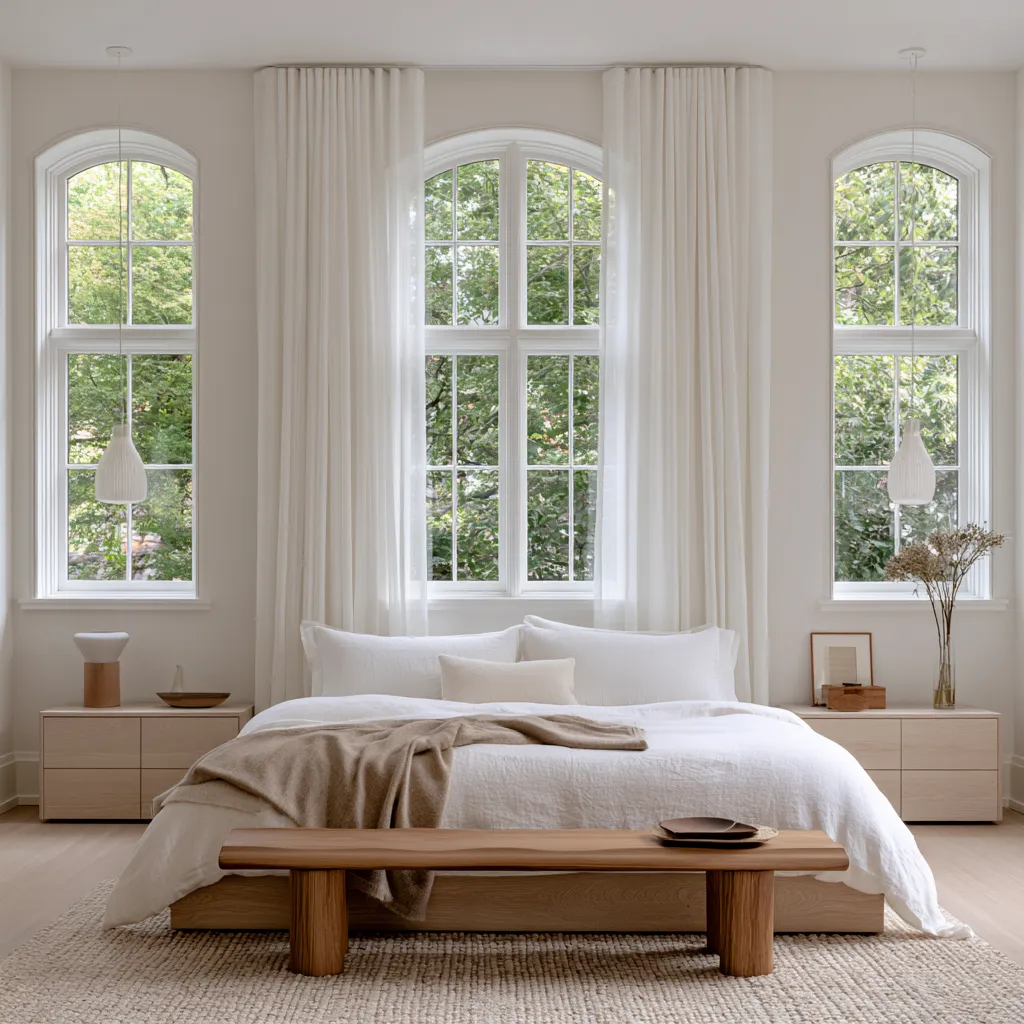
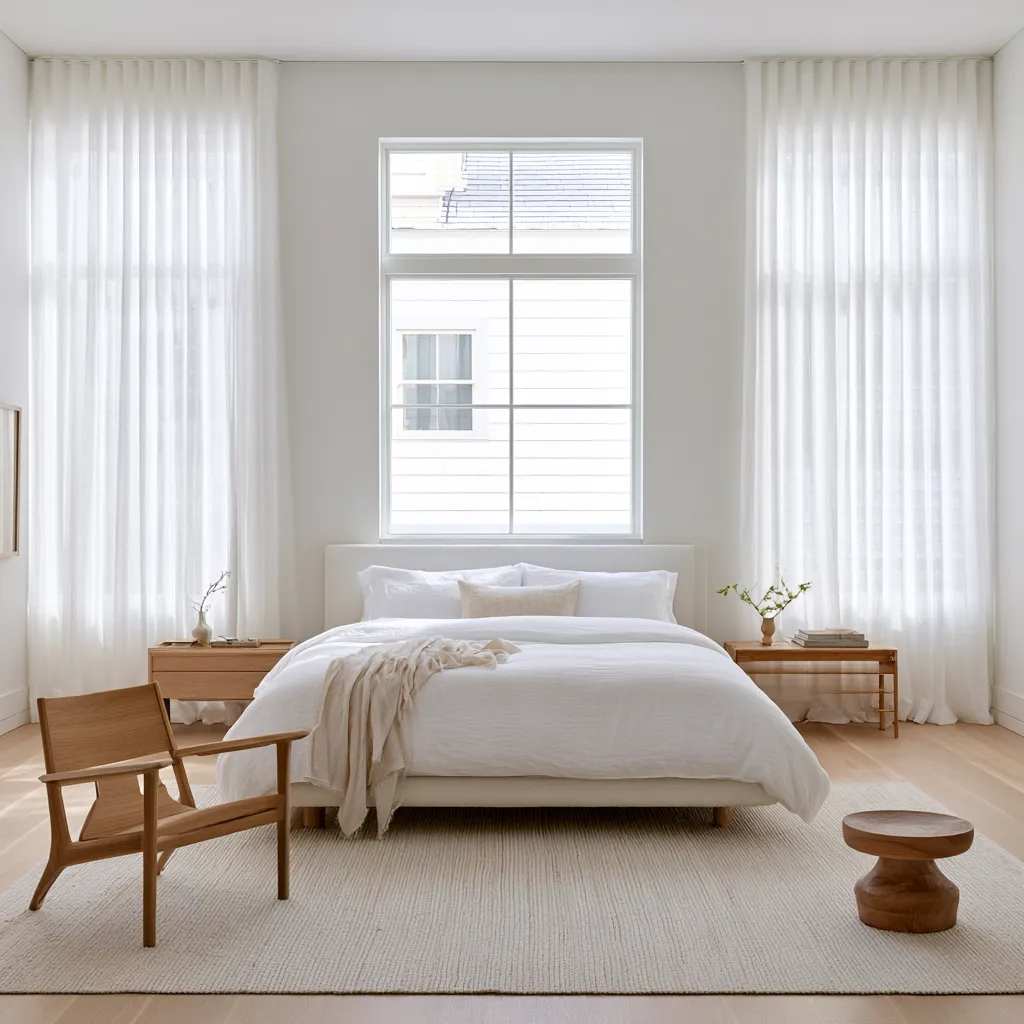
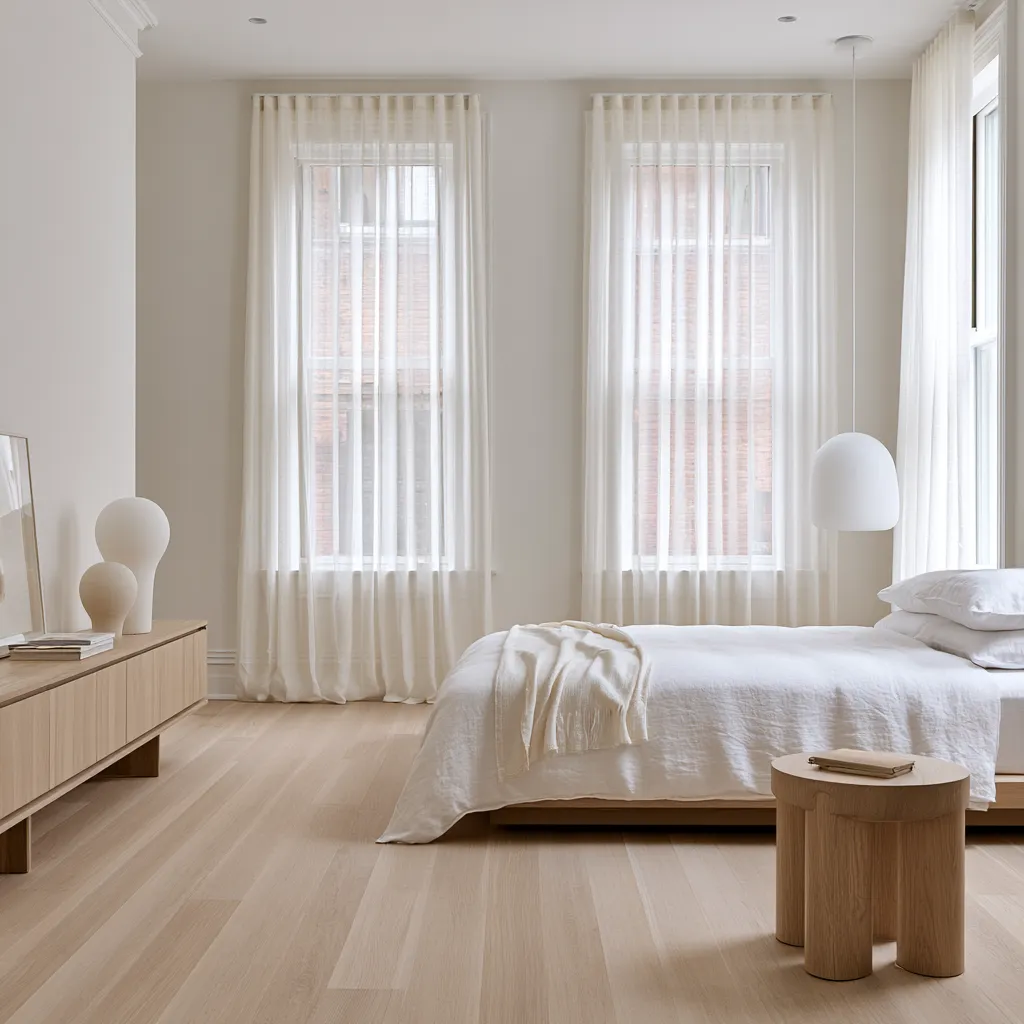
Doors, Bay Windows and Specialty Window Treatments
Doors and non-standard windows are the most commonly mishandled treatment category in residential interiors. Sliding glass doors need solutions that stack efficiently and don’t block egress. French doors require treatments that move with the door itself. Bay windows demand coordination across three or more panels. Arched windows are frequently left bare because homeowners don’t know what options exist. All of these situations have good solutions — the articles below lay them out clearly.
Sliding Glass Doors and Patio Doors
- 10+ Inspiring Window Treatment Ideas for Sliding Glass Doors
- Discover Chic Sliding Door Window Treatment Ideas for Your Home
- 12 Vibrant Sliding Glass Door Blinds Ideas for a Bold Statement
- Your Sliding Glass Patio Door Looks Unfinished Without the Right Window Covering
- Unique Blinds for Patio Doors Ideas in Sunny Yellow
- 17+ Stylish Blinds for Patio Doors Ideas in Earthy Green
- 15+ Chic Blinds for Patio Doors Ideas in Soft Blue
- 20+ Creative Blinds for Patio Doors Ideas in Bold Red
- Top Blinds for Patio Doors Ideas Featuring Elegant Black
French Doors and Bay Windows
- French Door Blinds That Stop Looking Like an Afterthought
- Bay Window Blinds — Measure the Room Before You Measure the Window
- Discover the Art of Dressing Bay Windows with Creative Window Treatments
Arch Windows and Large Windows
- Arch Window Treatments Most People Get Backward
- 3+ Practical Blinds for Large Windows Ideas for Every Style
Specific Products and Treatment Types
Beyond room and style categories, some shoppers know exactly which product type they want and need guidance on executing it well. Roman shades are having a sustained resurgence — their clean fold structure works in both traditional and contemporary interiors. Wooden blinds remain the most durable natural-material option, with lifespans of 20 or more years when properly maintained. Motorized systems, meanwhile, are crossing from luxury into mainstream pricing, with basic motorized roller blinds now available below $150 per window.
Shades, Blinds and Sheers
- Elevate Your Home Decor with Elegant Roman Shades
- Transform Your Living Space with Timeless Wooden Blinds
- Revamp Your Home’s Atmosphere with Light Filtering Sheer Curtains
- How Motorized Vertical Fabric Blinds Revolutionize Modern Living
- The Benefits of Installing Custom Window Sun Shades in Your Home
Valances, Drapery and Curtain Designs
- 18+ Creative Modern Window Valance Ideas for a Home Makeover
- Simple Yet Stunning Kitchen Window Valance Ideas for Any Home
- 18+ Sophisticated Curtain Designs That Will Transform Your Windows
Budget and DIY Window Coverings
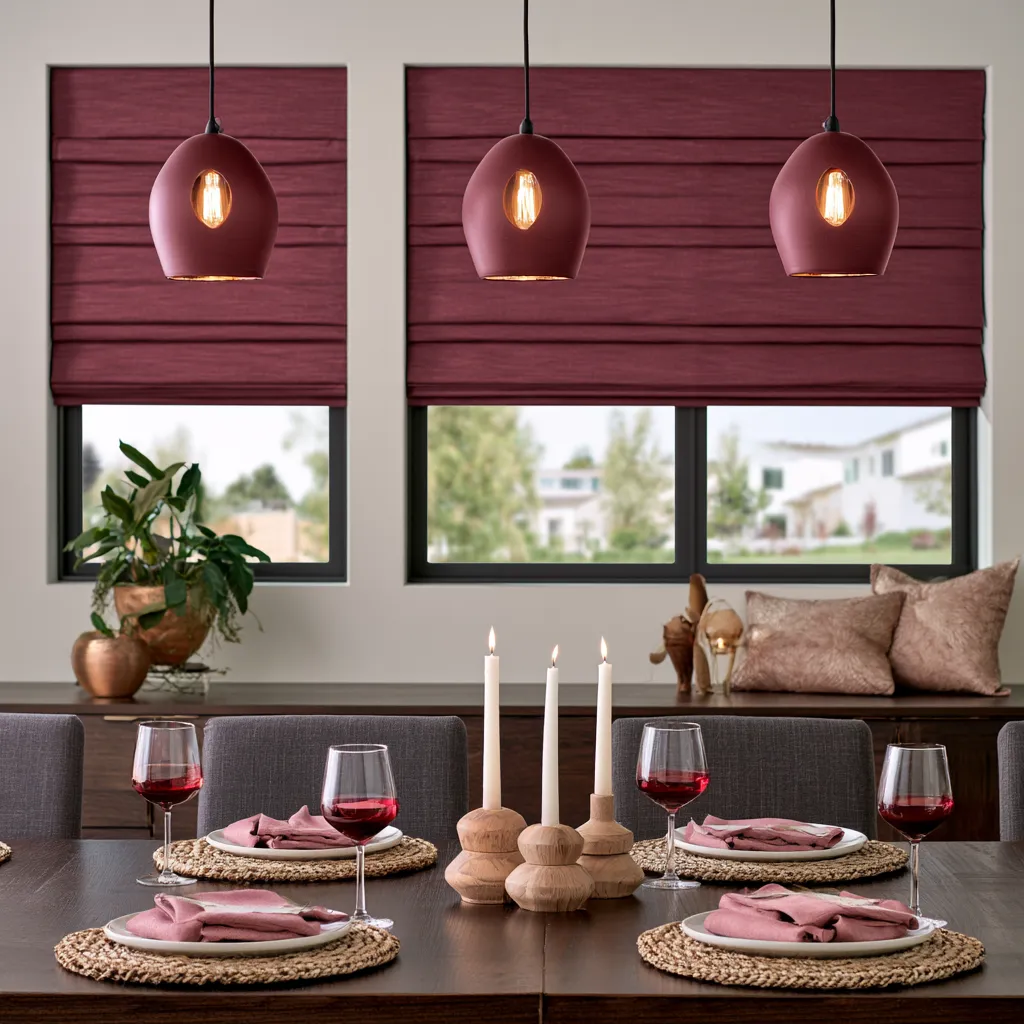
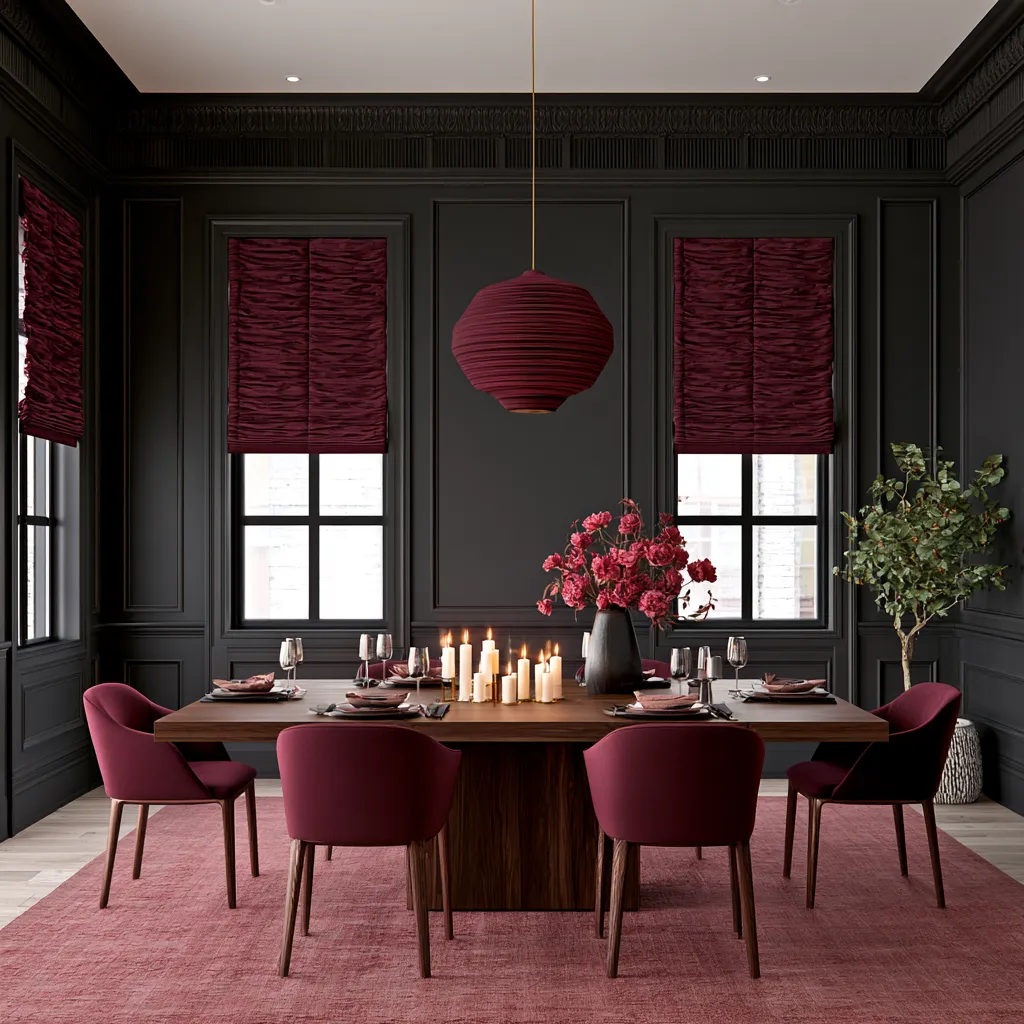
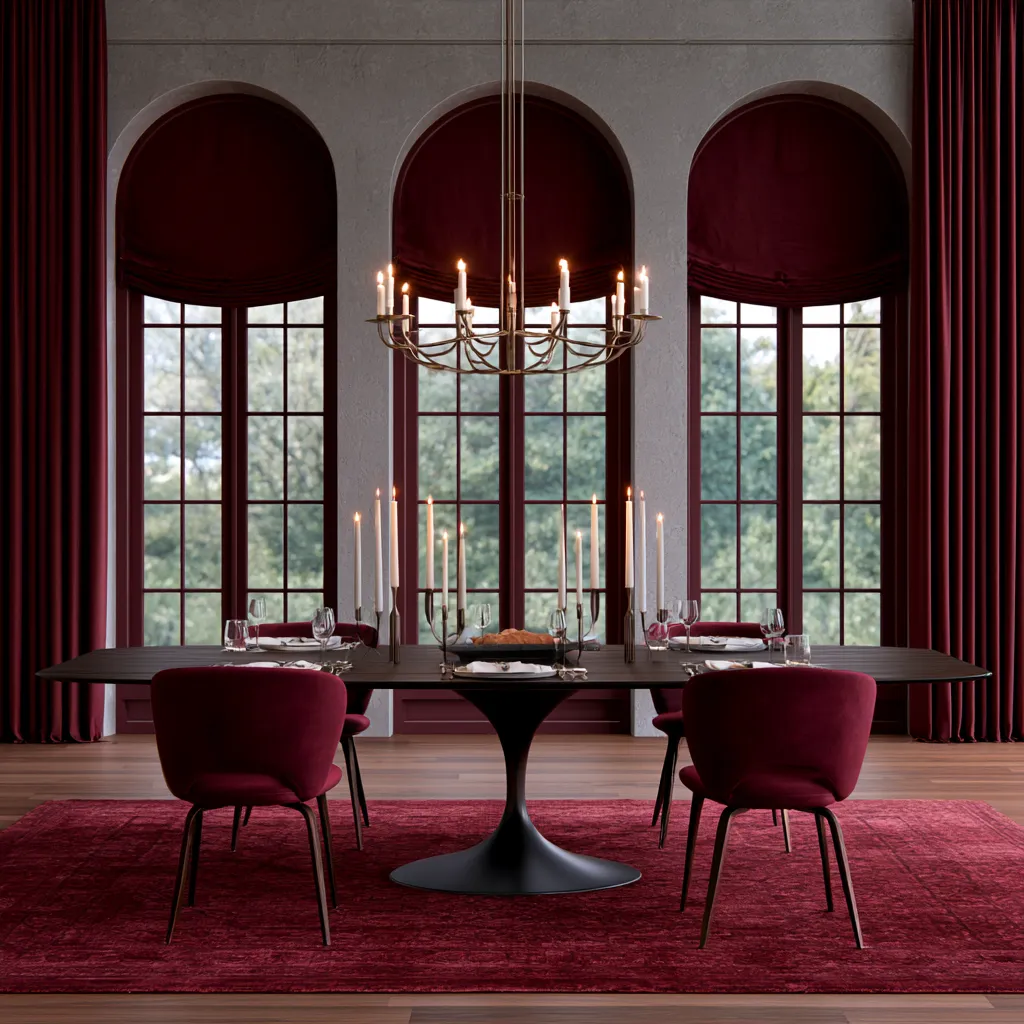
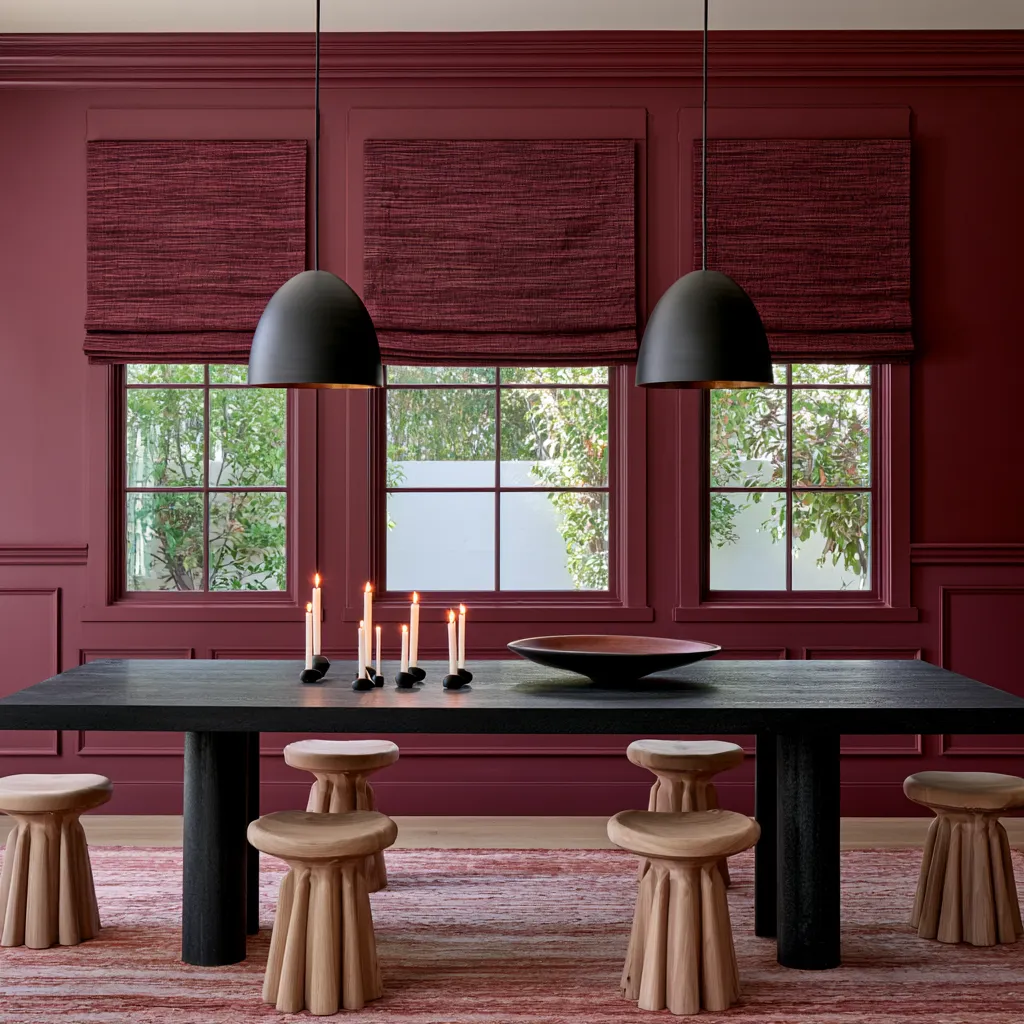
How to Layer Window Treatments for Maximum Impact
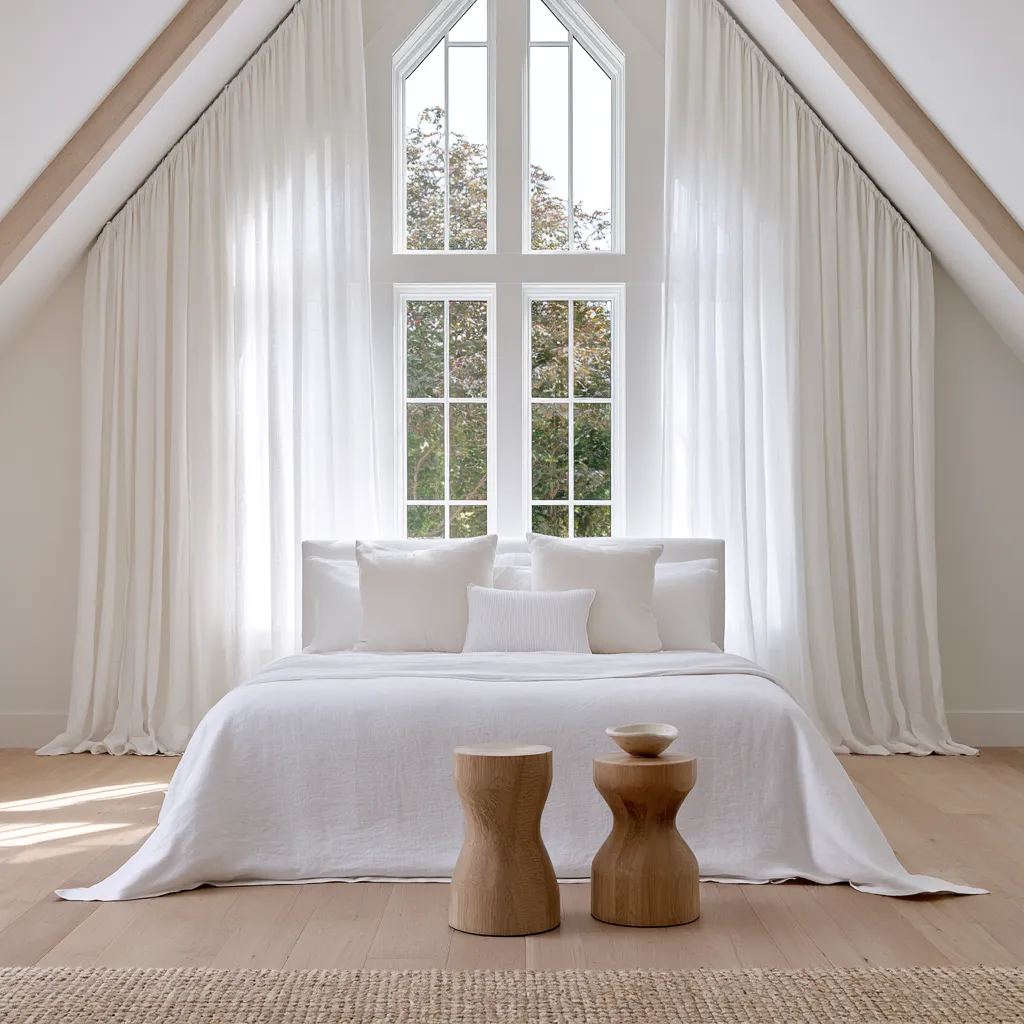
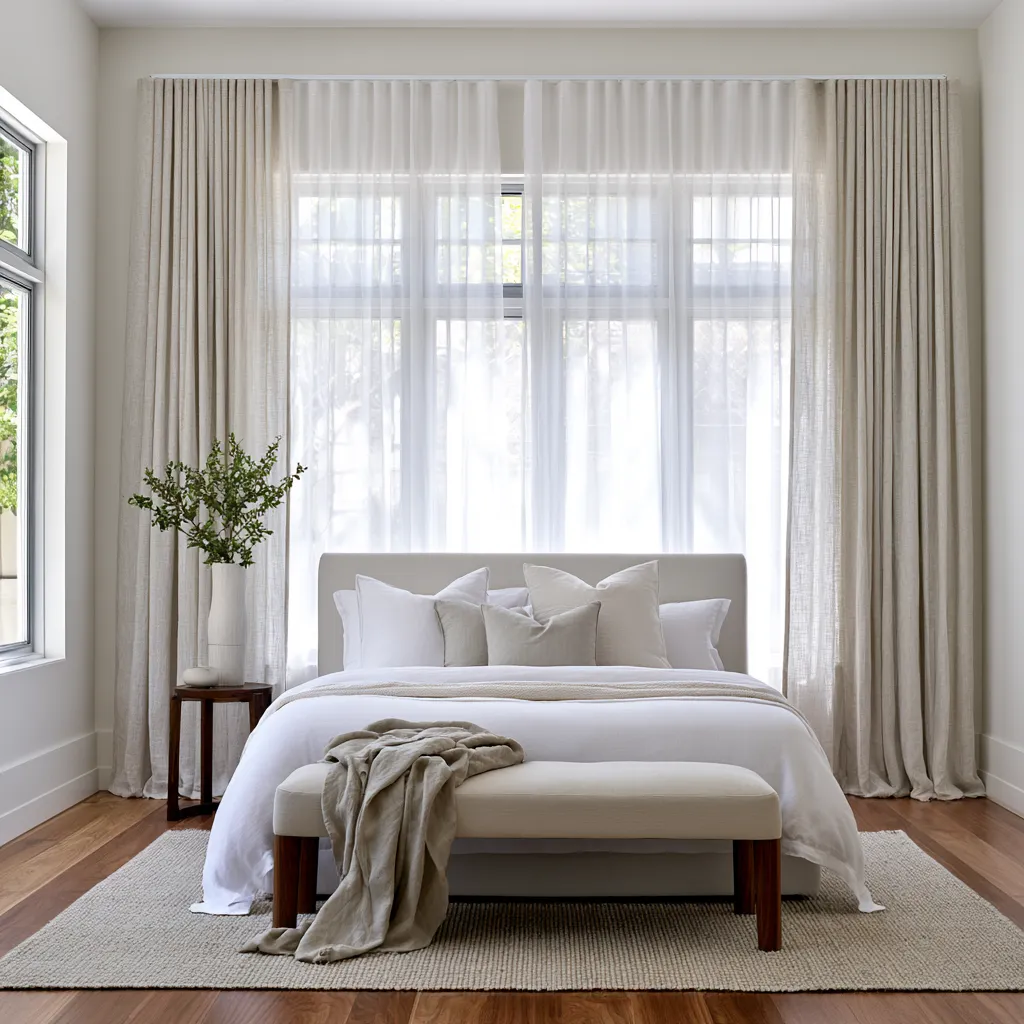
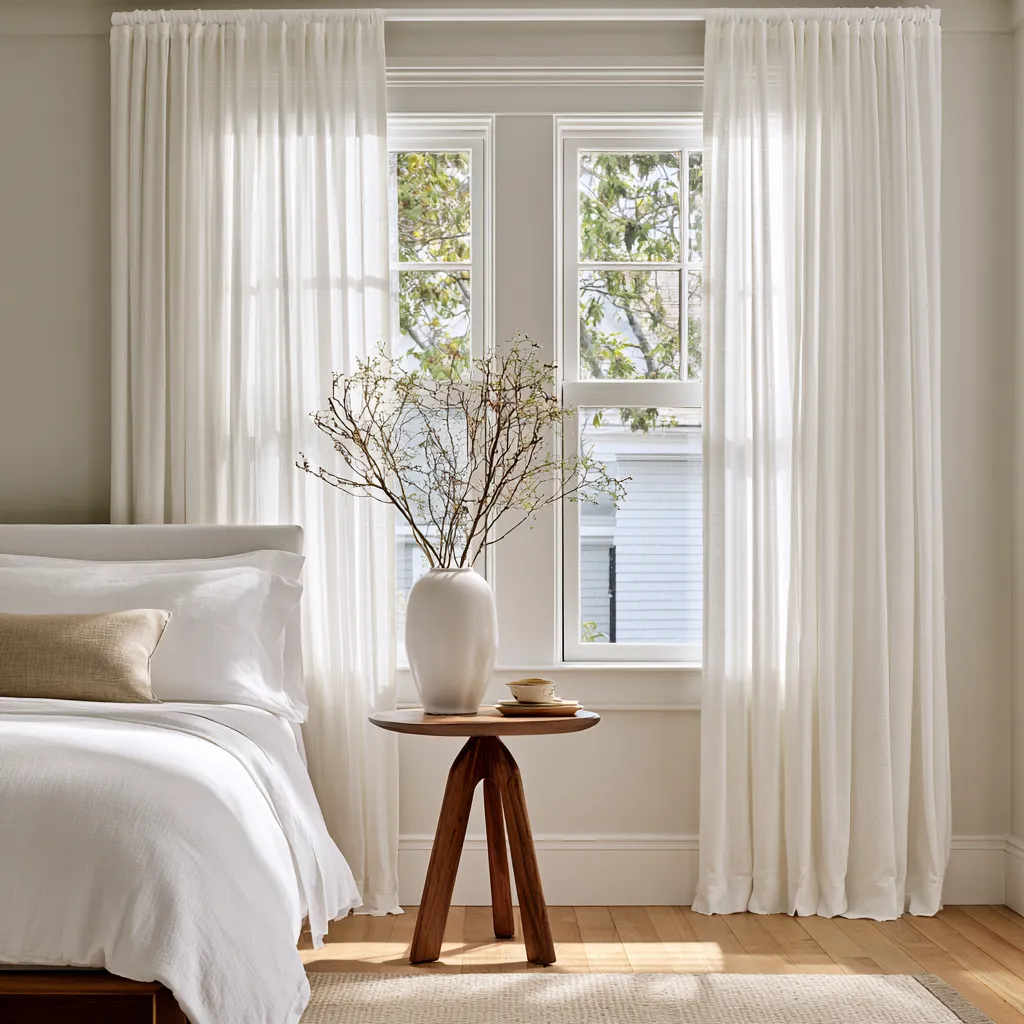
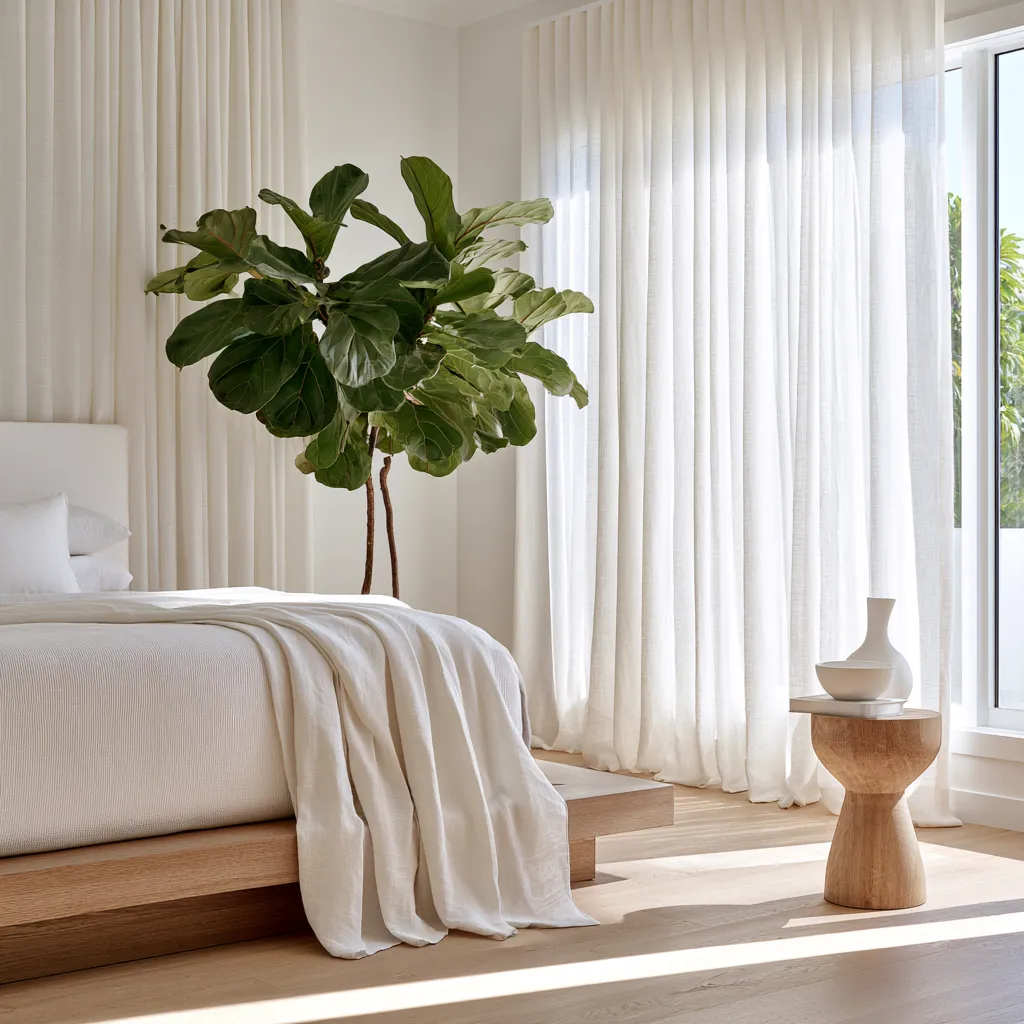
Layering is the most underused technique in residential window treatment design, and it is the single move that most separates interiors that look professionally finished from those that look assembled. The principle is straightforward: a sheer or light-filtering layer closest to the glass handles daytime privacy and diffuses direct sun, while a heavier outer layer — drapery panel, blackout blind, or Roman shade — provides night privacy and insulation. The two layers are mounted on separate rods or tracks, allowing each to operate independently.
In practical terms, layering adds between 8 and 14 percent to window treatment costs but delivers three to four times the functional range of a single-layer installation. For living rooms and bedrooms especially, the investment is measurable: a layered installation can reduce window heat loss by up to 40 percent compared to bare glass, according to data from the U.S. Department of Energy’s studies on window insulation. For a home with 15 standard windows, that translates to meaningful heating and cooling savings over the lifetime of the installation.
Measuring and Installing Window Treatments Correctly
Incorrect measurement is the most common and most expensive window treatment mistake. Panels hung too low, rods mounted too close to the frame, or blinds cut short enough to show daylight gaps — all of these are avoidable with three simple rules. Mount the rod as close to the ceiling as the room will allow, typically 4 to 6 inches above the window frame. Extend the rod 6 to 12 inches beyond the window frame on each side to maximize perceived width. And for drapery panels, cut or order length to reach the floor, with 0.5 to 1 inch of clearance for a clean hang, or 3 to 6 inches extra for a deliberate pooling effect.
For blinds and shades measured inside the frame, deduct 0.25 inches from the exact opening width to allow for smooth operation. Most manufacturers build this deduction into their sizing guide, but confirming before ordering is worth the 30 seconds it takes. Measuring at three points — top, middle, and bottom — catches out-of-square windows, which are far more common than homeowners expect, particularly in older construction where wood framing has shifted over decades.
The Full Window Treatments Resource Index
Every article in this collection is listed below for complete reference. Whether you are searching by room, product type, color, or style, the full index gives you the fastest path to exactly what you need.
All Articles on Window Treatments and Coverings
- 3 Top Trends in Bathroom Window Treatments
- Reclaimed Wood Wins Every Time — Modern Farmhouse Window Treatments Finally Make Sense
- Patterned Fabric on a Kitchen Window Pulls the Whole Room Into Focus
- 10+ Innovative Dining Room Window Treatments for Any Design Aesthetic
- 7+ Fresh Window Treatment Ideas to Reinvent Your Living Room
- 10+ Inspiring Window Treatment Ideas for Sliding Glass Doors
- How to Choose the Best Modern Kitchen Window Treatments
- Revamp Your Home’s Atmosphere with Light Filtering Sheer Curtains
- 6+ Living Room Curtain Ideas with Tassels and Trims for an Eclectic Interior
- 7+ Living Room Curtain Ideas in Black and White for a Monochrome Design
- 10+ Living Room Curtain Ideas with Bamboo Shades for a Zen Asian Aesthetic
- 12 Vibrant Sliding Glass Door Blinds Ideas for a Bold Statement
- Elevate Your Home Decor with Elegant Roman Shades
- Transform Your Living Space with Timeless Wooden Blinds
- 7+ Window Dressing Ideas in Forest Green and Ivory for Natural Ambiance
- 8+ Window Dressing Ideas in Pink and Grey for Subtle Elegance
- 10+ Window Dressing Ideas in Blue and White for Serene Interiors
- Fabric Does Half the Work. Dining Room Curtains Do the Other Half.
- 7+ Playful Pink Curtain Design for Bedroom Decor
- White Bedroom Curtains — 7+ Aesthetic Ideas
- 5+ Warm Curtain Ideas for Bedroom in Terracotta for a Cozy Retreat
- Blue Bedroom Curtains That Pull the Whole Room Into a Calmer Place
- 3+ Simple Contemporary Window Treatment Ideas for Scandinavian Design
- 4+ Serene Curtains for Small Windows Ideas in Green
- 10+ Vibrant Curtains for Small Windows Ideas in Red
- 6+ Elegant Curtains for Small Windows Ideas in Gray
- How Motorized Vertical Fabric Blinds Revolutionize Modern Living
- 10+ Playful Small Window Covering Ideas in Pink
- 13+ Sleek Small Window Covering Ideas in Black
- 7+ Elegant Small Window Covering Ideas for Green Rooms
- 10+ Brilliant Small Window Covering Ideas in Blue
- 10+ Bold Bedroom Window Covering Ideas in Maroon
- 8+ Warm Bedroom Window Covering Ideas in Orange
- 9+ Stylish Bedroom Window Covering Ideas in Purple
- 6+ Cozy Bedroom Window Covering Ideas in Green
- How to Blend Mid Century Modern Window Treatments into Your Decor
- Unique Blinds for Patio Doors Ideas in Sunny Yellow
- 17+ Stylish Blinds for Patio Doors Ideas in Earthy Green
- 15+ Chic Blinds for Patio Doors Ideas in Soft Blue
- 20+ Creative Blinds for Patio Doors Ideas in Bold Red
- Top Blinds for Patio Doors Ideas Featuring Elegant Black
- 21+ Window Treatment Design Ideas Infused with the Warmth of Terracotta
- 18+ Window Treatment Design Ideas Complementing Pastel Pink Decor
- 15+ Window Treatment Design Ideas Showcasing Lively Lime Green
- 20+ Window Treatment Design Ideas Perfect for Rich Purple Settings
- 17+ Window Treatment Design Ideas Using Vibrant Red Shades
- 11+ Window Treatment Design Ideas with Bold Black Accents
- Mid-Century Modern Living Room Charm with Stylish Drapery Designs
- Art Deco Inspired Living Room Revival with Bold Drapery Designs
- Industrial Edge Living Room Makeover with Bold Drapery Designs
- Minimalist Chic Drapery Designs to Simplify Your Living Room Decor
- Simple Yet Stunning Kitchen Window Valance Ideas for Any Home
- 3+ Practical Blinds for Large Windows Ideas for Every Style
- 3+ Easy DIY Cheap Window Covering Ideas That Look Expensive
- 18+ Creative Modern Window Valance Ideas for a Home Makeover
- Find Your Perfect Living Room Curtain Style Today
- 18+ Sophisticated Curtain Designs That Will Transform Your Windows
- Discover Chic Sliding Door Window Treatment Ideas for Your Home
- 20+ Drapery Ideas for Living Room — Mixing and Matching Fabrics
- French Door Blinds That Stop Looking Like an Afterthought
- 20+ Chic Living Room Blinds Ideas for a Stunning Home Update
- 21+ Modern Window Treatment Ideas for Minimalist Interiors
- Top Bedroom Blind Ideas for a Perfectly Styled Space
- Light Pours In Wrong Until You Fix the Kitchen Window Covering
- Bay Window Blinds — Measure the Room Before You Measure the Window
- 30+ Curtains and Drapes Ideas Living Room Guide
- 33+ Must-See Bedroom Drapery Ideas for a Stylish Update
- 44+ Creative Kitchen Drapes Ideas for a Cozy Makeover
- Window Covering Ideas for Sliding Glass Patio Doors — What Actually Works
- The Benefits of Installing Custom Window Sun Shades in Your Home
- Discover the Art of Dressing Bay Windows with Creative Window Treatments
- Makeover Your Dining Room with These Creative Window Treatment Ideas
- Bringing a Modern Twist to Bathroom Windows with Stylish Treatments
- 17+ Fresh Farmhouse Kitchen Window Treatment Ideas for a Rustic Touch
- Roller Blinds and Curtains That Make a Minimalist Room Look Finished
- Arch Window Treatments Most People Get Backward
- 3+ Creative Window Colour Schemes to Elevate Your Home Decor
- 10+ Popular Bedroom Window Treatment Ideas
You Might Also Like

Related Topics