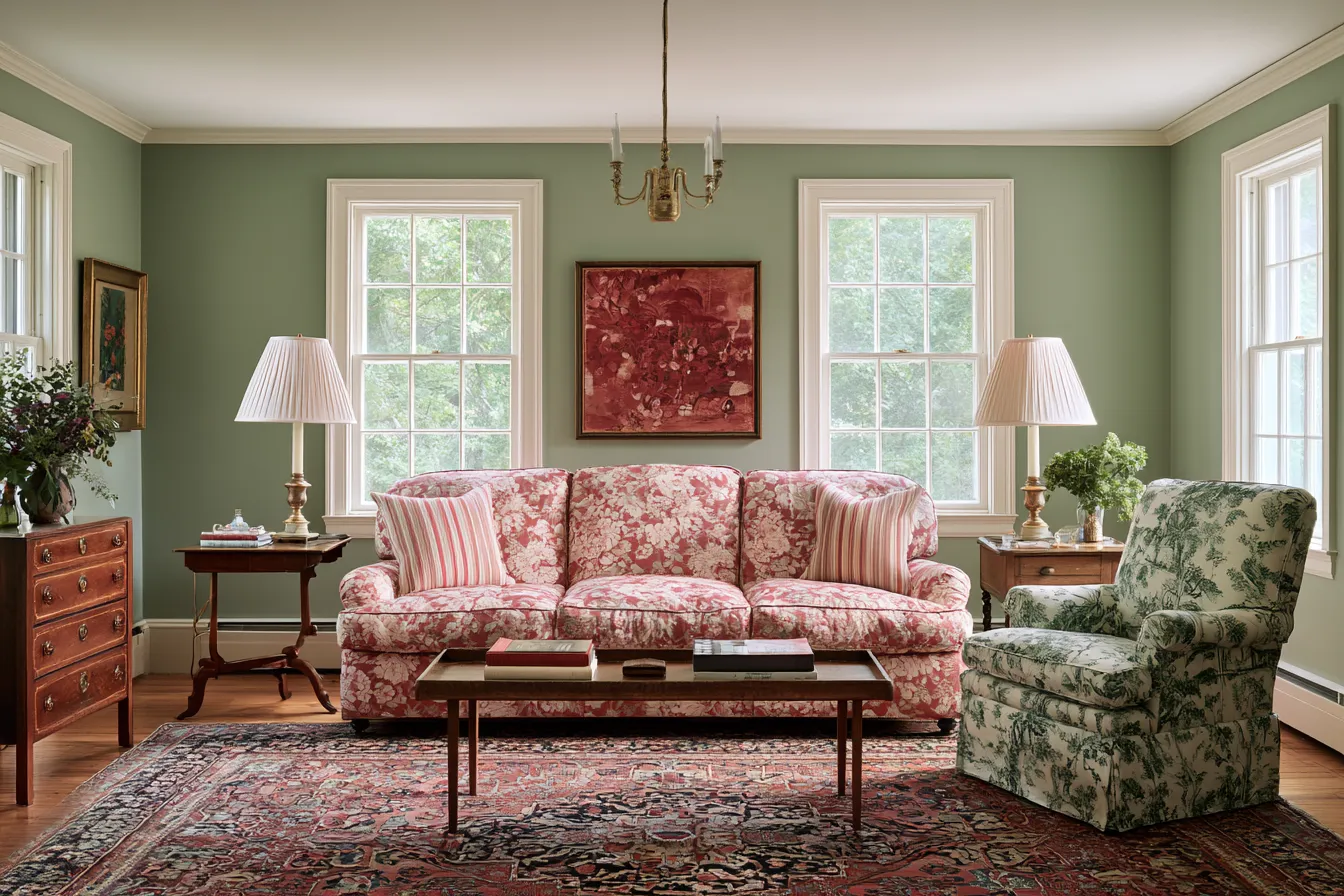
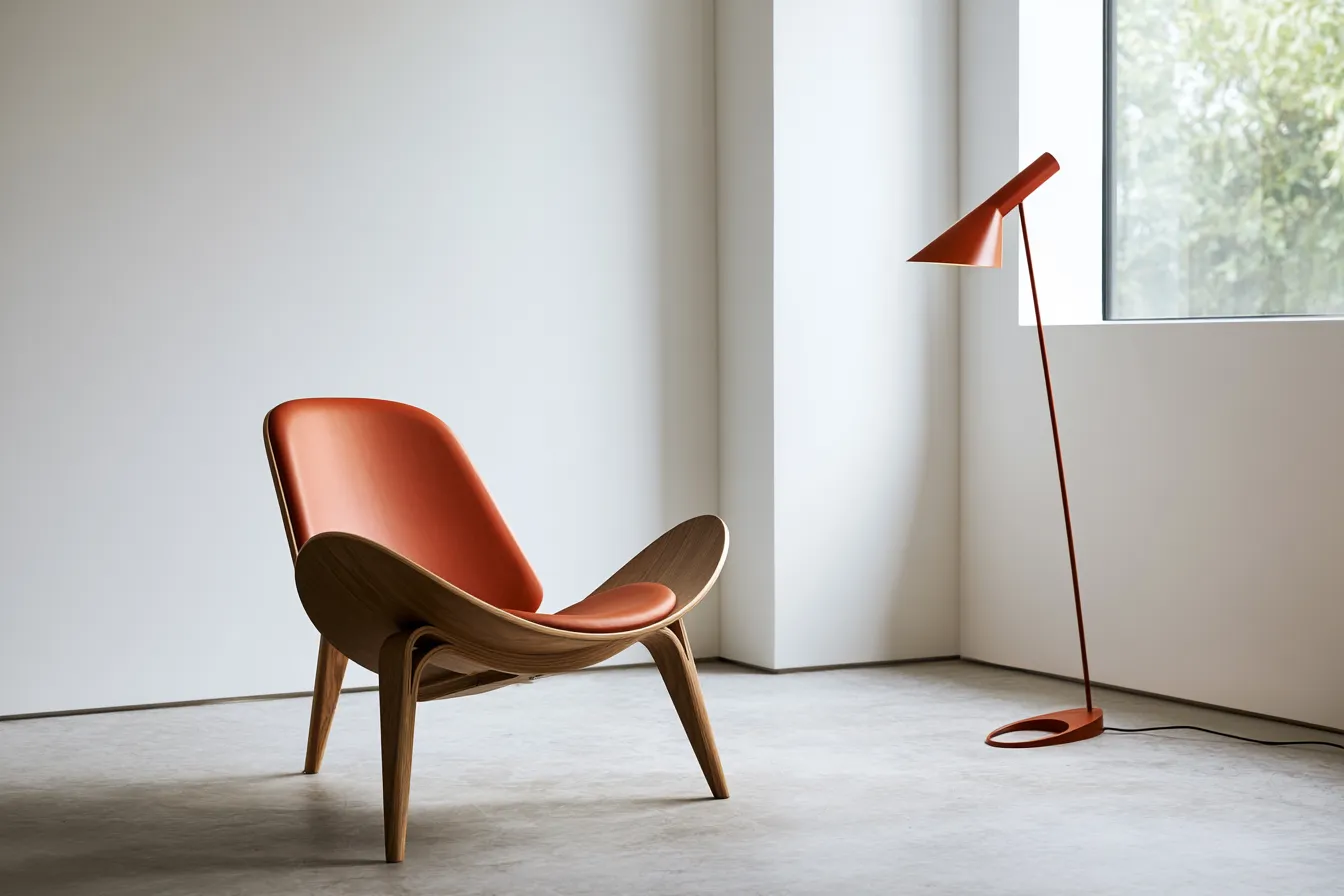
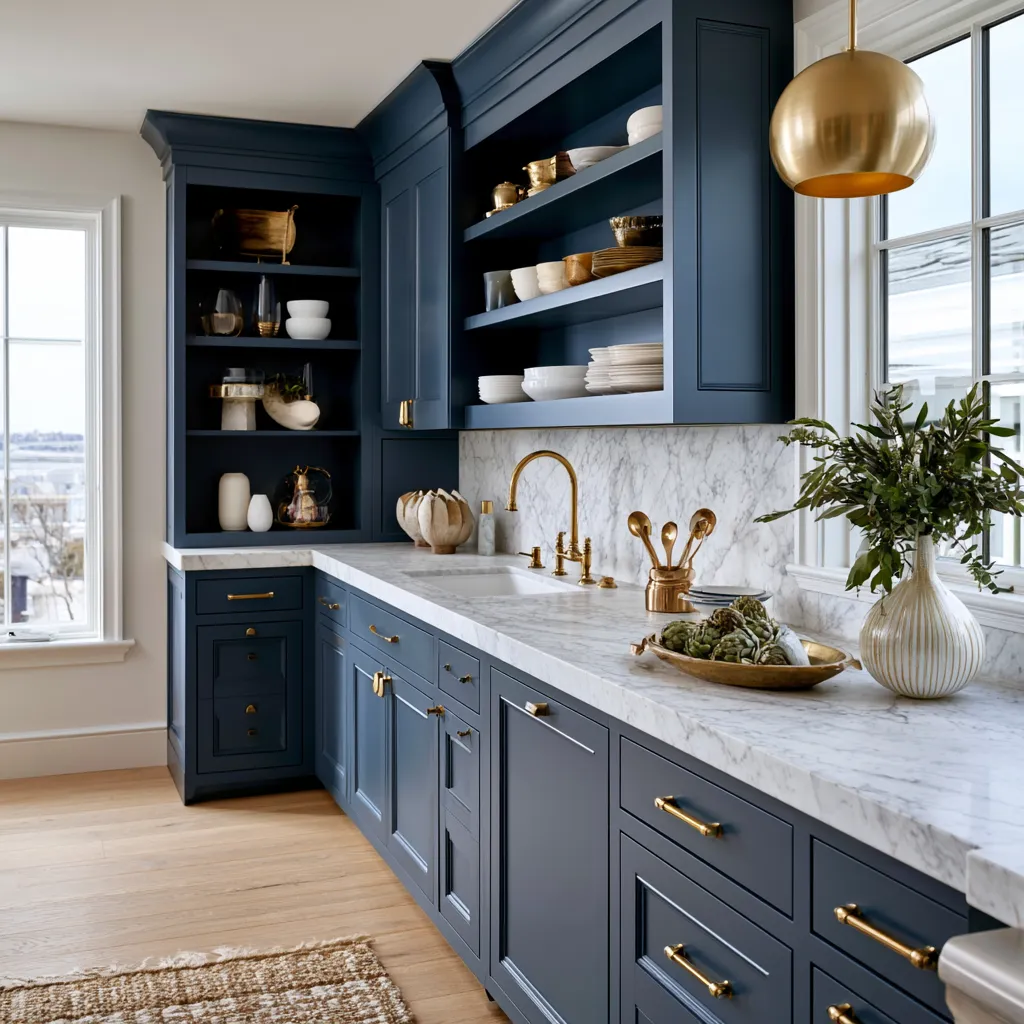
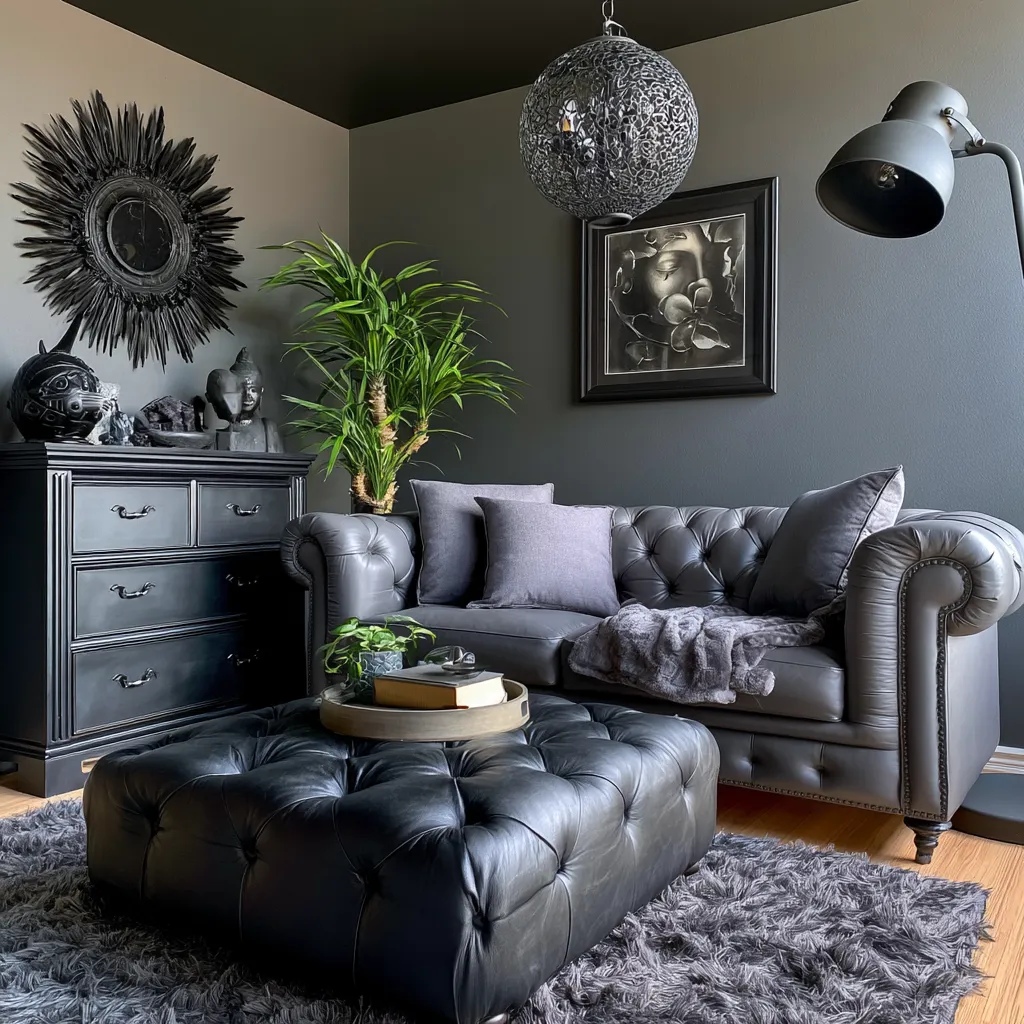
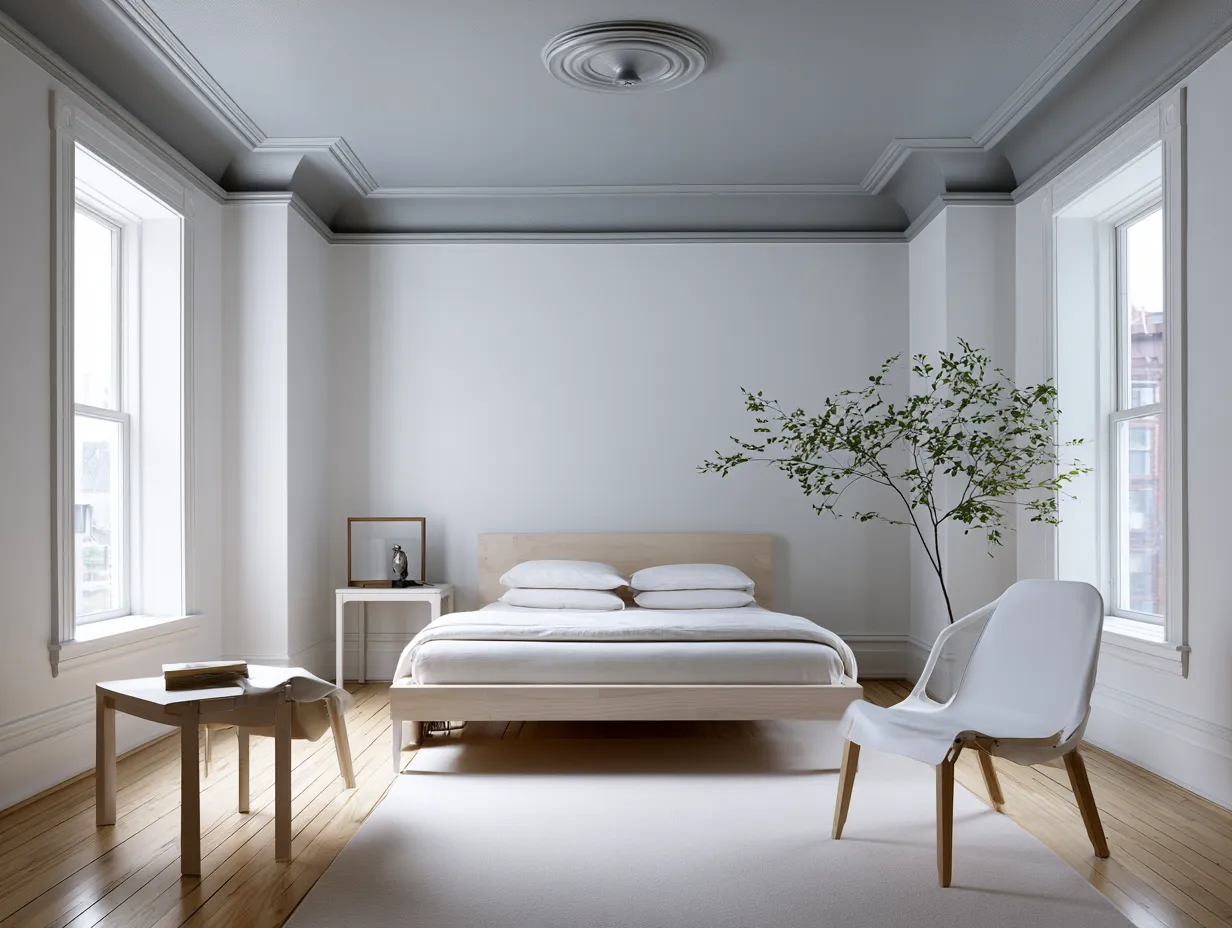
Living room wall tiles get a bad reputation. Badly chosen, they make the space look like a half-finished bathroom — cold, hard, and oddly institutional. Done right, tiled walls in the living room are the detail that makes everything else click into place.
The difference is always placement. A full tiled wall reads as architecture. A single tile accent wall reads as intention. You need to know which one you’re going for before you buy a single box.
This covers three materials that actually work in living spaces: ceramic, mosaic, and textured tile. Each one has a specific set of rooms it suits and a specific set of mistakes that will ruin it. Read through all three before deciding.
Quick Scan
Wall Tiles in the Living Room: What Actually Matters
- Ceramic living room wall tiles — matte finish only; 60×60 format reads cleanest
- Mosaic accent wall — anchor the palette to existing decor before buying
- Textured feature wall — works without color; fails in low-ceiling rooms
- One tiled wall — not four; the accent wall principle applies here
- Grout color — match the tile’s darker tone, not lighter
Ceramic Tiles On a Living Room Wall Read Cooler Than You Think
Ceramic is the default choice, and for good reason — it costs less than porcelain, installs faster, and comes in more formats than any other tile category. A 60×60 matte ceramic in off-white or warm greige runs $3–6/sq ft at most tile distributors. That’s accessible.
The problem is glossy ceramic. I’ve seen it used on full living room walls twice, and both times the room felt like a showroom, not a home. Gloss amplifies every reflection, every smudge, every light source in the wrong way. Matte finish only. This is non-negotiable.
Ceramic wall tiles in the living room work best on a single wall — the one behind the sofa or the media unit. The other walls need to stay plain. You’re not tiling a kitchen backsplash; you’re creating a surface that draws the eye and anchors furniture to it. Neutral tones let the tile’s format do the work, not the color.
One thing nobody mentions: ceramic tiles for living room walls need a slightly larger format than you think. 30×60 or 60×60 panels make the room feel taller. Smaller mosaic-format ceramics on a full living room wall almost always read as busy. Save the small formats for a partial installation, never for an entire wall.


A living room made up of ceramic wall tiles sends a strong message of one’s taste for elegance and sophistication. The ceramic wall tile living room is defined by the surface treatment that anchors the room’s whole visual tone. If you’re also weighing how to balance a TV wall with other architectural features in the living room, the tile decision and the media wall decision need to be made together — they compete for the same focal point.
Such a living room tends to have ceramic wall tiles in neutral colors. The living room’s use of ceramic wall tiles will make the room inviting as well as appealing with an aspect of class. Each ceramic wall tile, whether glossy, matte, or of a patterned finish, brings a particular uniqueness to the room.
One of the most important features of a living room with ceramic wall tiles is how the tile surface behaves with light across the day. Matte ceramic absorbs it; gloss bounces it back at every angle. That’s why material choice matters as much as pattern or color — HGTV’s tile selection overview notes that ceramic is specifically recommended for walls because of its color range and surface options. The furniture and accessories are the support cast. The tile surface is the variable that changes how the whole room reads at different times of day.
The wall tiles, the most important thing in a living room with ceramic tiles, make the wall of the home elegant and sophisticated, the furniture makes the room comfortable, and the accessories make the room have character. All elements have an impact on the general picture of the living room, which has to be both functional and stylish.
A living room with ceramic wall tiles is absolutely an ultimate design for somebody who appreciates elegance and sophistication in design. One with this design style appreciates ceramic wall tiles’ beauty in creating a very inviting, vastly stylish living room—a true reflection of your personal style.
Mosaic Accent Wall Living Room Designs That Don’t Look Like a Pool
Mosaic wall tiles work in a living room on exactly one condition — the palette has to be anchored to something already in the room. Pick up a tone from the sofa, the rug, or the curtain fabric and find a mosaic that echoes it. If you’re starting with the tile and building the room around it, that’s backwards.
The geometric mosaic is having a moment. Hexagonal formats in warm terracotta or deep teal, used on the TV wall in a living room, photograph incredibly well — which is why you’ve seen it saved 40,000 times on Pinterest. It works in practice too, as long as the grout color matches the tile’s darker tone, not the lighter one. Light grout on a dark mosaic turns it into a grid. Every joint becomes visible. Don’t do that.
Sizing matters more with mosaic tiles than any other format. A living room accent wall in mosaic needs a minimum of 8–10 sq ft of continuous coverage to read as a design decision. Anything smaller looks like a sample board got permanently glued to the wall. Either commit to the accent wall or skip mosaic entirely for this space.
One layout that consistently fails: mosaic tiles placed as a narrow vertical strip between two windows. It draws attention to the gap, not to the tile. Work with the architecture, not against it.


A very creative, lively design style with mosaic wall tiles in the living room rewards rooms that already have a strong base. Mosaic works on accent walls the same way geometric mosaic works in a contemporary living room setup — the pattern needs neutral surroundings to breathe. One patterned wall, plain everything else.
The mosaic living room, in most cases, has wall tiles of a bright palette. Mosaic wall tiles bring creativity and color in space; therefore, the living room looks so unique and inspirational. Be it a geometric pattern, a floral design, or an abstract print, every mosaic wall tile has a unique element attached to it.
One of the most important elements of a living room with mosaic wall tiles is the balance between tiles and other décor. This makes it possible for the mosaic wall tiles to be the star and the other furniture and other accessories to perform their supporting roles. It’s in that way that the room can serenely be balanced and harmonious, despite the vibrancy of the mosaic wall tiles.
Living the room with mosaic wall tiles, everything has its purpose: the mosaic wall tiles bring life and interest to the walls, furniture is an element that gives you comfort, and accessories spice up the room—each element contributes to the overall beautiful thing.
And here is why the living room with mosaic wall tiles is perfect for you if you like designs with shades of vibrancy and creativity. Now it’s a design style that abhors the beauty of mosaic wall tiles, creating for a very unique, inspired living room that’s truly a reflection of personal style.
Don’t Do This
Living Room Wall Tile Mistakes That Are Hard to Reverse
- Tiling all four walls. It stops looking like a living room and starts looking like a wet room. One wall. Maximum two, if they’re perpendicular.
- Glossy ceramic on a full wall. Every mark shows. Every reflection doubles. The room feels sterile.
- Small-format mosaic on a full wall. Under 30×30cm tiles on a large surface read as visual noise, not pattern.
- Matching grout to the lightest tile tone. It turns any mosaic into a visible grid. Go darker.
- Deep-relief textured tile in a low-ceiling room. The visual weight presses down. Rooms under 2.5m can’t carry it.
Textured Tile Makes a Feature Wall Without the Drama of Color
Textured wall tiles are the most forgiving option in this category because the visual interest comes from light, not from pigment. A low-relief 3D tile in warm white or limestone grey will look completely different at 9am versus 7pm, depending on where your windows are. That’s the point. The texture does the decorating.
The formats that actually work for living room feature walls: fluted panels (vertical or horizontal), wave-relief tiles, and rough-hewn stone-effect ceramics. Fluted panels in particular have become the go-to for the media wall in apartments — you’ll find them at ROCA, Porcelanosa, and local tile distributors under names like “Reed” or “Groove” series. Pricing starts around $8/sq ft and goes to $25+ for quality imported versions.
Don’t cheap out on the installation here. Textured tiles require a flat substrate and a tile adhesive that accommodates the extra weight of relief. A budget installer who skips leveling compound will leave you with a wavy wall that makes the texture look accidental. Get quotes from two installers minimum.
The one situation where textured tiles backfire: a small living room with a low ceiling. Relief adds visual weight to a wall. In a room under 2.5m ceiling height, that weight pushes down. Use a shallow relief format — under 8mm depth — or switch to a wood-effect tile that reads as texture without the dimensionality.
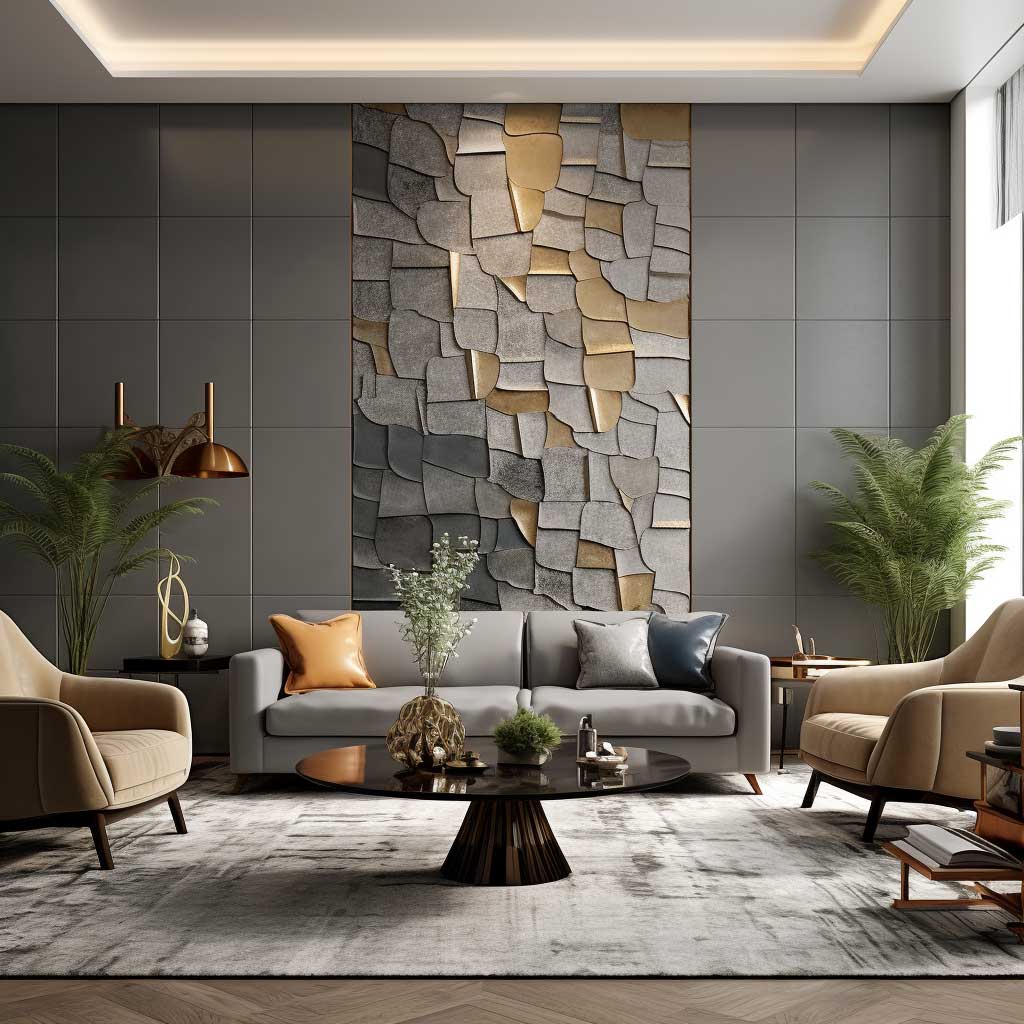


This is a show of depth and dimension in the truly grand living room with textured wall tiles, giving character and a dimension layer into the living space. Textured wall tiles add depth and interest to any room, automatically turning them into a defining feature in the living room. These living rooms are all about textured wall tiles, which form the backdrop of the room. Thus emerges a living room rich, luxurious, mature, and elegant at the same time. Each textured wall tile, whether minimal style in texture or bold in relief or even patterned design, offers room a unique flair.
An essential part of a living room with textured wall tiles is that there should be a balance of the textured wall tile with other decorations in the room. The textured wall tiles should help the overall look of the room, while the furniture, accessories, and other decorative walls act as a sidekick to it. In this, a look of unity is carried on in the room itself, but with the added depth texture of the textured wall tiles.
In the living room with textured wall tiles, every element plays its role. The textured wall tiles make the walls interesting in depth, the furniture gives comfort, the accessories give their taste, and all of these, each and everything installed, has added to the overall look of the room, creating something functional and decorative at the same time.
To sum up, a living room with textured wall tiles is just perfect for people who like the depth and subtlety in the interior. Match this sophistication with a design style that appreciates the beauty textured wall tiles bring out, and here you have a living room that is a true reflection of your style.
| Tile Type | Best For | Avoid When | Price Range (materials) | Format That Works |
|---|---|---|---|---|
| Ceramic | Full accent wall, media wall | Glossy finish in a bright room | $3–6 / sq ft | 60×60 or 30×60 cm |
| Mosaic | Partial accent wall, fireplace surround | Small rooms, light grout on dark tile | $8–18 / sq ft | Hex or square, min. 8 sq ft coverage |
| Textured / 3D | Feature wall, TV wall in tall rooms | Ceiling height under 2.5m | $8–25 / sq ft | Fluted panels, wave relief, under 8mm depth |
How to Incorporate Wall Tiles into Your Living Room Decor
Tiling a living room wall is not a bathroom project with a sofa added. The decisions about placement, tile format, and finish need to be made before installation — changing them after is expensive and structurally disruptive.
-
1
Identify the one wall
Walk into the room and identify which wall the eye goes to first. That’s your tile wall — usually the one directly facing the entrance or the wall behind the main sofa. Don’t start with the tile; start with the architecture. If two walls compete equally for attention, the room will feel unresolved after tiling.
-
2
Measure and set a tile budget before entering a showroom
Measure the chosen wall in square meters and add 10% for cuts and breakage. At $3–6/sq ft for ceramic and $8–25/sq ft for textured formats, the material cost range is wide. Knowing your number before you see the samples prevents the showroom from making the decision for you. Most people overspend by 40% because they choose visually first and price second.
-
3
Choose a finish based on light conditions
Check your room’s natural light at three times of day: morning, midday, and evening with lamps on. Matte finish works in any light condition. Gloss amplifies every source and shows every mark. If your living room has strong directional light from a single window, gloss will create a half-lit, half-reflected surface that looks unfinished. Matte only for bright or single-source rooms.
-
4
Select tile format for your wall's proportions
Large-format tiles (60×60 cm or larger) read well on walls taller than 2.4m. Smaller formats — anything under 30×30 cm — read as pattern, not surface, and require a larger continuous area to avoid looking like a backsplash. For ceiling heights under 2.5m, avoid deep-relief textured tiles. The visual weight pulls the ceiling down.
-
5
Match grout to the tile's darker tone
This is the step most people get wrong. Light grout outlines every joint and turns any tile — especially mosaic — into a visible grid. Match your grout to the mid or darker tone of the tile, and the joints disappear into the surface. For textured tiles, use a grout that matches the recessed shadow color rather than the raised face.
-
6
Stage the room before committing to installation
Buy one or two sample tiles and lean them against the target wall for 48 hours. Look at them in morning light, midday, and at night with lamps on. Photograph them alongside your sofa fabric and your flooring. The tile sample in the showroom looks nothing like the tile sample next to your actual furniture. This step saves returns and regret.
Final Word
Living Room Wall Tiles Work When They’re the Only Statement in the Room
Ceramic, mosaic, textured — the material matters less than the decision to commit to one wall and leave the rest alone. The rooms that look the worst are the ones where tile is fighting furniture, fighting color, fighting everything else for attention. Pick one surface. Pick one material. Let it land.
The format and finish are where most people go wrong, not the tile type itself. Matte over gloss. Large format over small on a full wall. Grout that disappears into the tile, not one that outlines every joint. Get those three right and the rest is just budget.
Save this post. Come back to it when you’re standing in a tile showroom with twelve samples and no idea which one actually works in a living room.