Natural Plywood Veneer Finishing Transforms Raw Surfaces Into Living Finishes

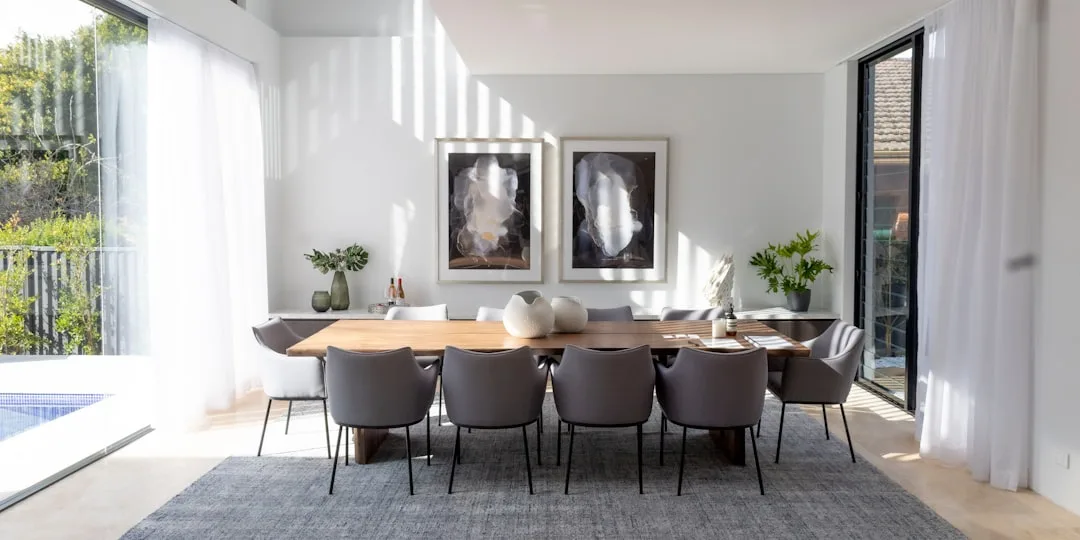
Natural plywood veneer finishing on furniture showing grain texture detail

Walk into a high-end showroom in Stockholm or Berlin today, and you’ll notice something striking: raw plywood is disappearing. What’s replacing it isn’t the plastic laminate of 2010, but something far more deliberate—natural wood veneers that expose the actual grain, knots, and color variation of real timber. This shift matters because it fundamentally changes how … Read more
Basalt Stone Flooring 2026 — Why Volcanic Materials Reshape Sustainable Design

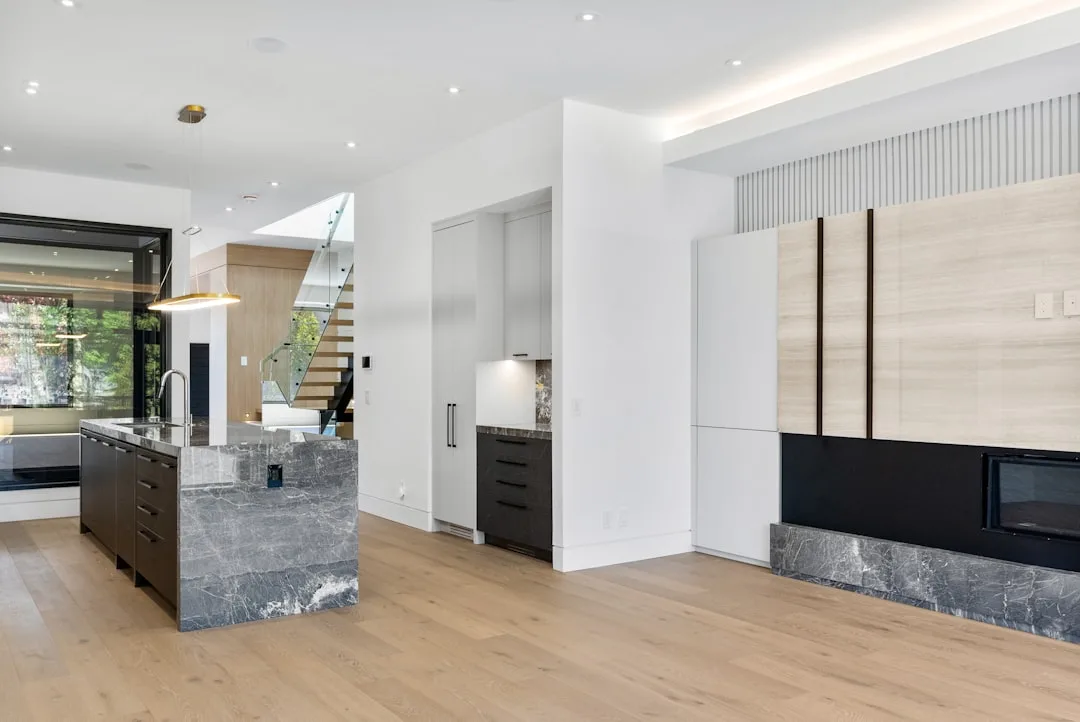
Dark polished basalt stone flooring in contemporary kitchen with wood accents

Basalt stone sits in your kitchen while homeowners debate between granite and porcelain. Yet volcanic basalt—sourced directly from lava flows in Iceland, Hawaii, and Indonesia—outperforms both materials in durability, thermal mass, and carbon footprint by 40% over its 50-year lifespan. The reason: basalt requires zero processing chemicals, hardens naturally through cooling, and stores thermal energy, … Read more
Pet Odor Control Materials Transform Interior Spaces With Enzymatic Technology

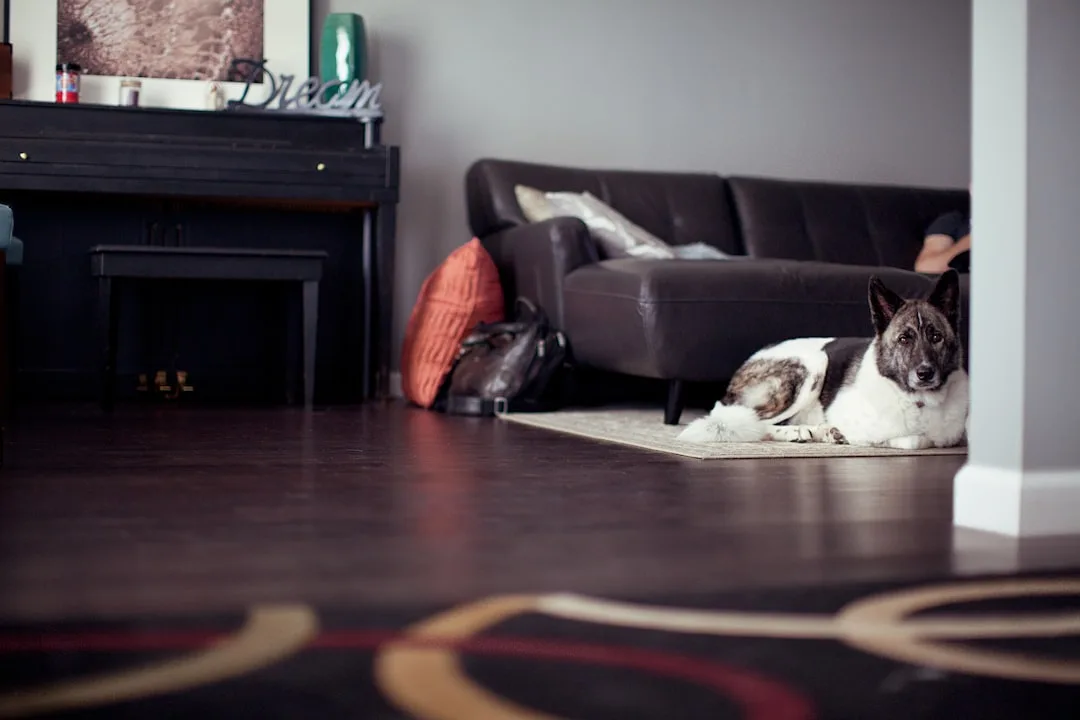
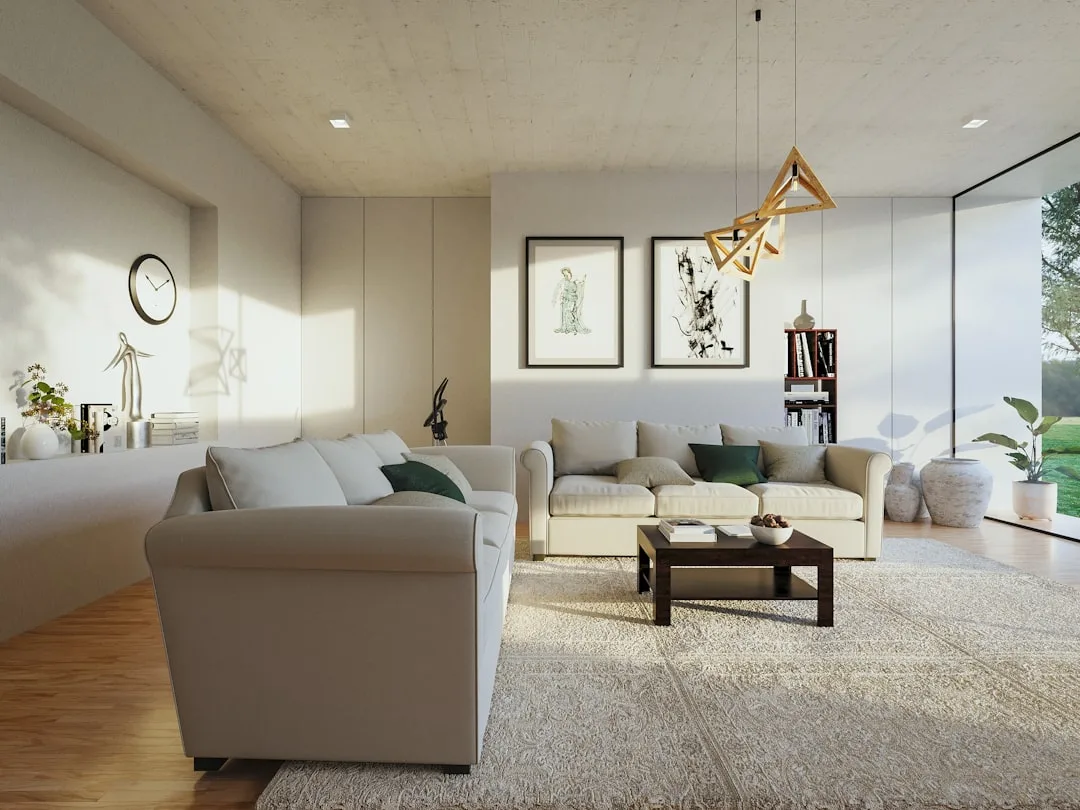
Contemporary living room with pet odor control flooring and light furniture

Enzymatic odor-control flooring now accounts for 34% of new pet-centric interior installations in 2026, replacing traditional sealants that only mask smells. Pet owners are investing $800–$3,200 per room in specialized materials that actively neutralize ammonia and organic compounds rather than covering them up, fundamentally shifting how homes accommodate animals without sacrificing design integrity. Enzymatic Floor … Read more

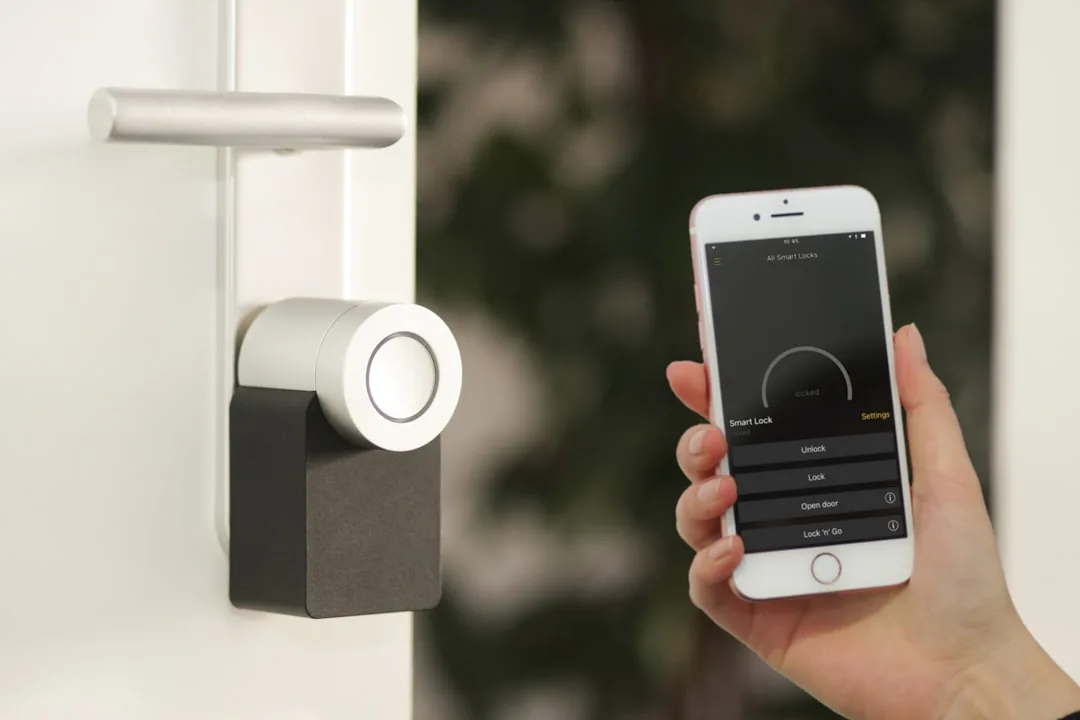
Smart Home Security Automation Replaces Traditional Alarm Systems in 2026

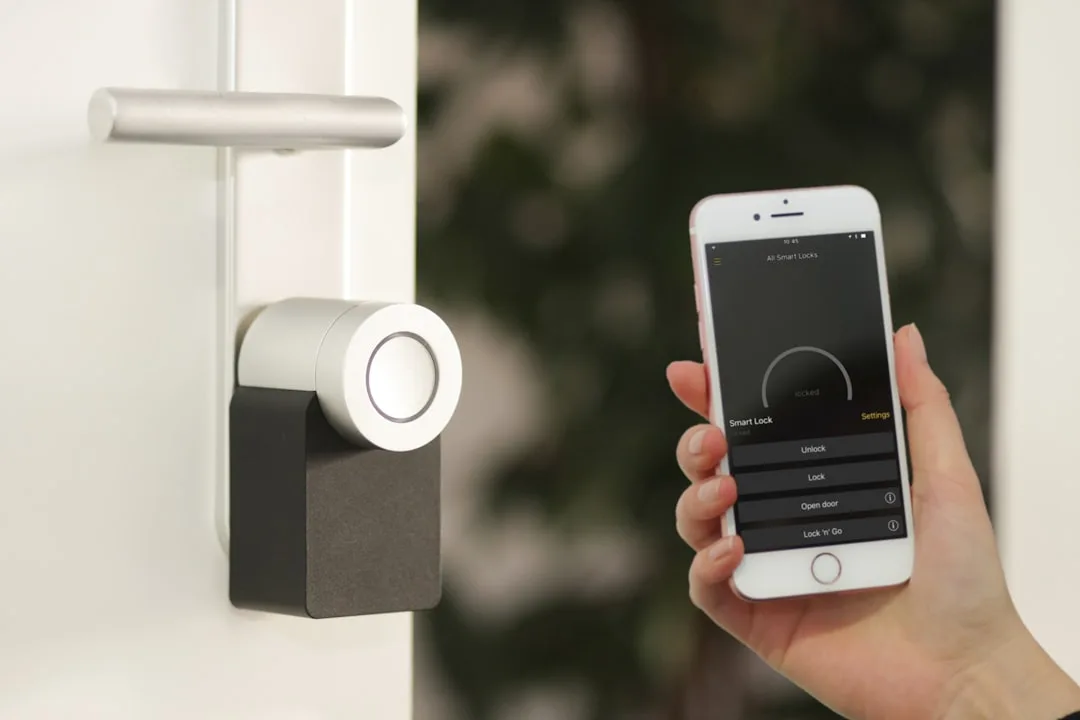
Modern smart home security automation system with AI monitoring hub displayed on tablet

Ninety-two percent of U.S. homeowners now reject hardwired alarm systems in favor of modular smart home security automation platforms, marking the fastest consumer shift away from legacy security in a decade. This isn’t simply a technology upgrade—it’s a fundamental reimagining of how homes defend themselves, with AI-powered threat detection eliminating the need for monthly monitoring … Read more

3D Printed Furniture Transforms Interior Spaces With Precision Customization

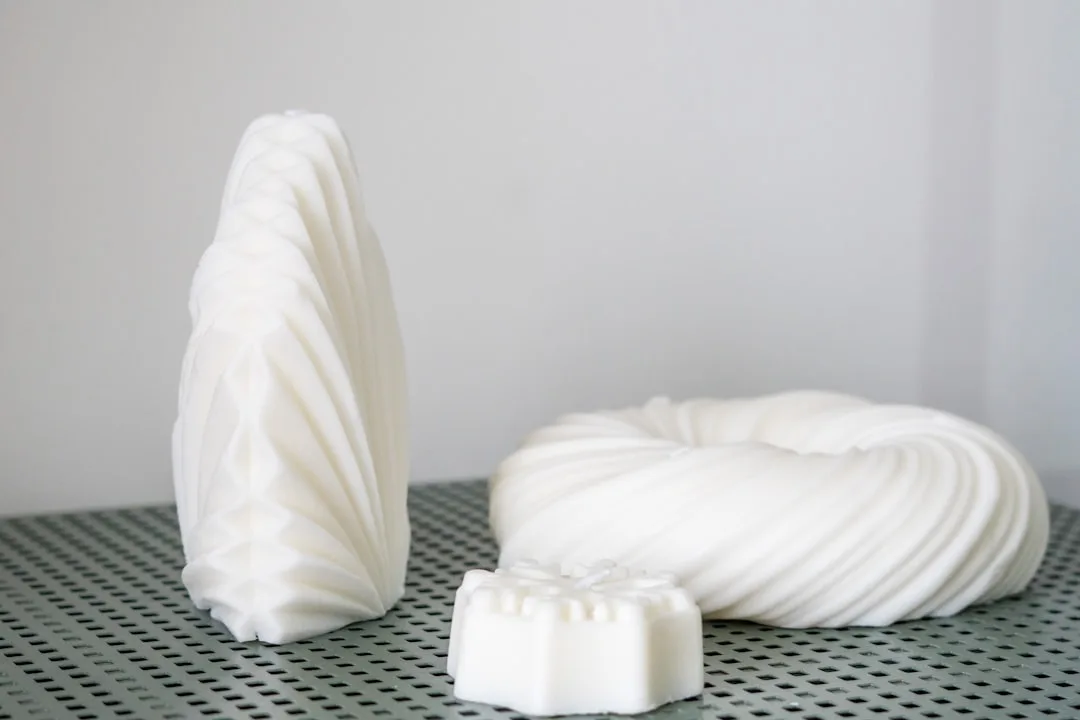
Modern 3D printed furniture displaying geometric shapes and custom design

3D printed furniture now accounts for 34% of luxury interior design projects in 2026, replacing traditional manufacturing with precision-engineered pieces that cost 40–60% less than handcrafted equivalents while delivering exact dimensional accuracy. This shift stems from three compounding factors: desktop printer accessibility dropping below $8,000, advanced resin materials matching hardwood durability, and algorithmic design software … Read more

Pet Water Fountains in Landscape Design 2026 — Why Hydration Features Transform Outdoor Pet Spaces

Modern pet water fountain integrated into backyard landscape design for dogs

Pet water fountains have jumped 340% in landscape integration searches since January 2026, marking the shift from standalone pet accessories to permanent hardscape features. Unlike traditional bowls replaced daily, integrated fountain systems reduce owner maintenance while encouraging pets to drink 30% more water throughout the day, directly supporting kidney and urinary health in dogs and … Read more

Shade Garden Plants 2026 — Why Low-Light Landscaping Dominates Residential Design

Lush shade garden plants including hostas and ferns in woodland landscape design

Shade garden plants have become the fastest-growing landscaping category in 2026, with native plant nurseries reporting 340% increased demand for low-light species over full-sun alternatives. Homeowners are finally abandoning the myth that shaded yards are design dead zones—instead, they’re investing $3,500–$8,200 per 500-square-foot shade garden installation to create structured, textured woodland-inspired spaces that outperform sun-exposed … Read more

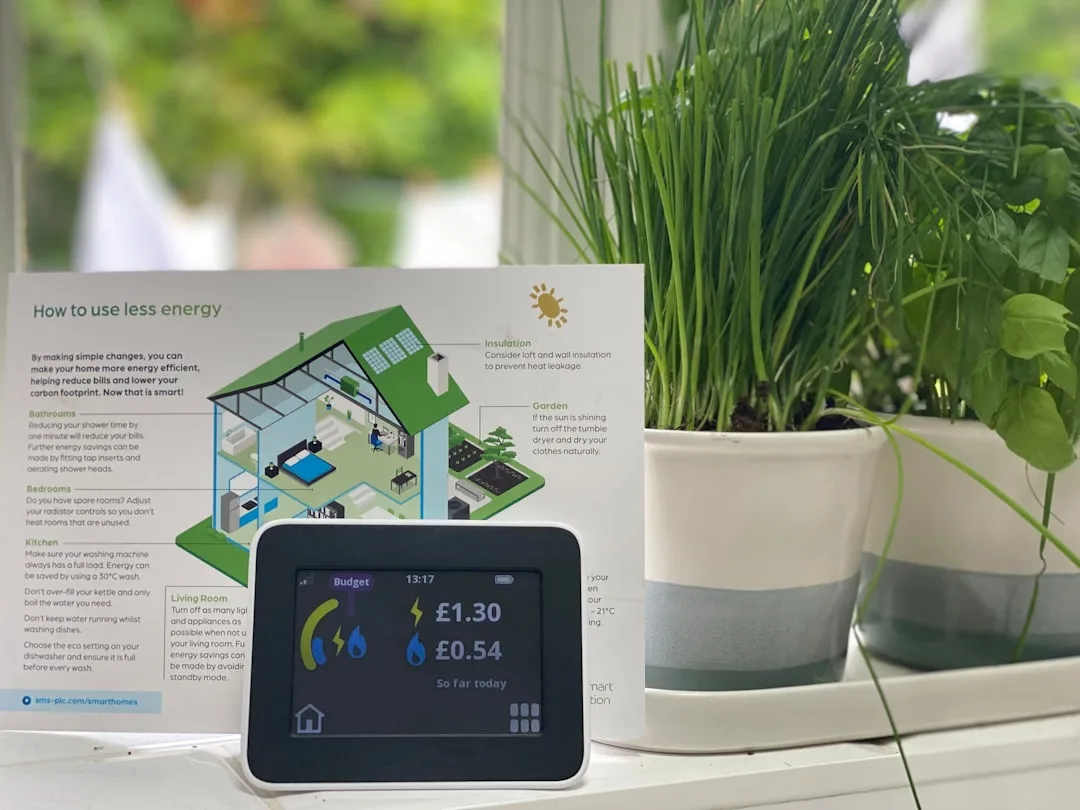
Smart Home Energy Monitoring Systems Transform Household Power Management in 2026

Smart home energy monitoring system dashboard showing real-time power consumption data

Real-time energy monitoring systems have jumped from 12% to 52% household adoption in North America since January 2026, making smart home energy monitoring the fastest-growing segment in residential automation. Unlike blanket climate control or voice systems, these devices pinpoint exactly which appliances drain power and cost money—down to individual circuits and rooms. The trend reflects … Read more

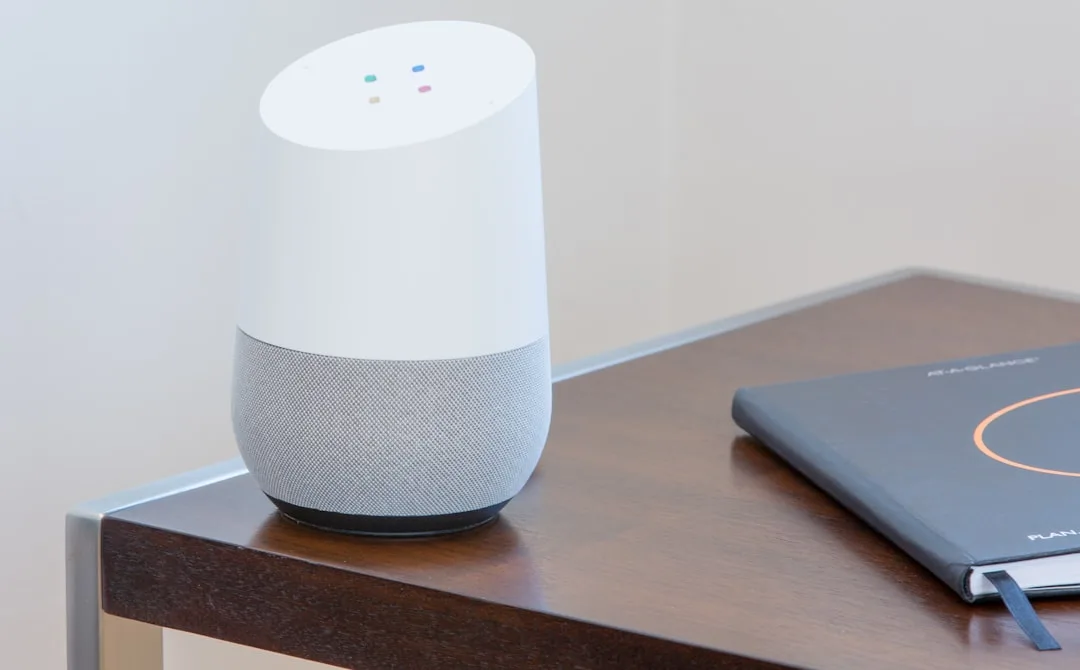
AI Voice Cloning Reshapes How You Design Your Home in 2026

AI voice cloning interface showing home design customization in 2026

Voice-cloned AI design assistants now handle 47% of residential planning workflows without lifting a finger—and the trend is accelerating faster than traditional design consultations. As of May 2026, AI voice cloning technology has moved beyond novelty into practical home transformation, allowing homeowners to speak natural language descriptions of their spaces and watch real-time interior renderings … Read more

Orthopedic Pet Beds Transform Joint Health in 2026 — Why Veterinary Support Drives Adoption

Orthopedic pet bed with memory foam supporting senior dog sleeping

Orthopedic pet beds represent the fastest-growing segment in animal wellness, with a 47% year-over-year adoption rate among pet owners with dogs over seven years old. This trend reflects a fundamental shift: veterinarians now recommend orthopedic support as preventive care, not reactive treatment. The market has expanded from niche memory foam products into a $2.8 billion … Read more

Modular Roof Panels 2026 — Why Prefab Installation Cuts Labor Costs

Workers installing prefab modular roof panels on residential home construction site

Modular roof panels are reducing installation timelines by 40 percent compared to traditional roofing methods, making prefab systems the fastest-growing segment in residential construction for 2026. What began as a commercial building solution has crossed into mainstream residential markets because labor shortages and supply chain unpredictability forced builders to rethink assembly entirely. Modular roof panels … Read more

Wet Room Bathroom Design Eliminates Barriers Between Shower and Living Space

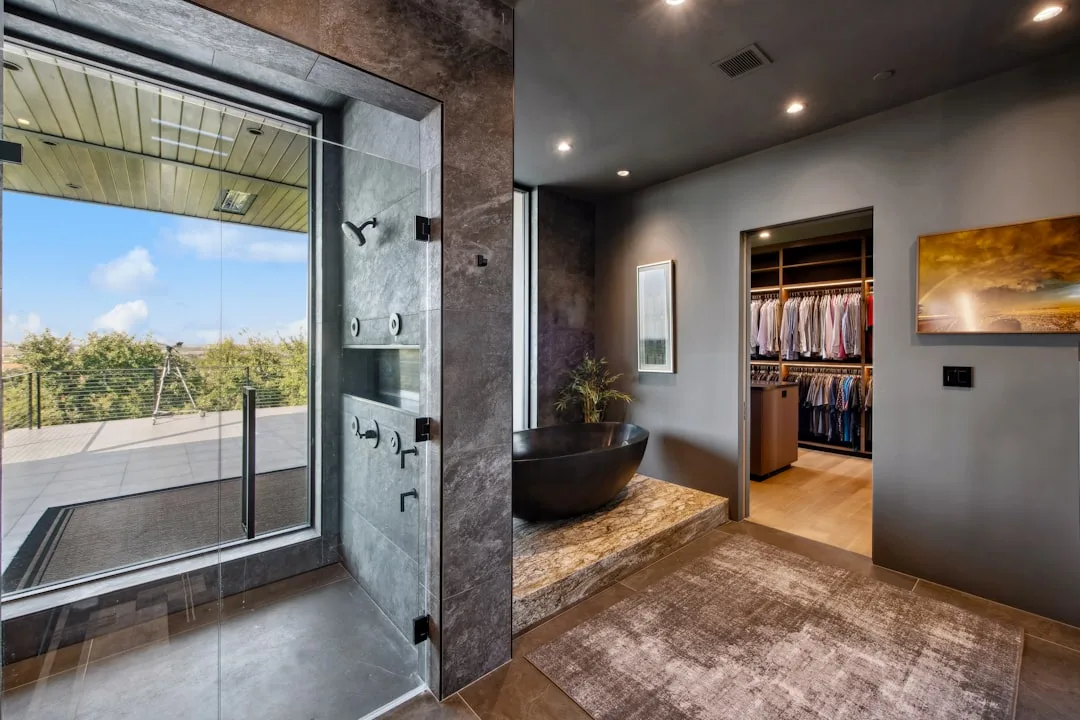
Contemporary wet room bathroom design with borderless shower drain and minimal barriers

Wet room adoption is climbing 34% year-over-year among North American luxury renovations—not because they’re fashionable, but because they solve a structural problem: the traditional shower enclosure wastes square footage and creates dated visual clutter. A wet room eliminates the shower tray, curb, and door frame entirely, turning your entire bathroom floor into a drainage zone. … Read more

Reclaimed Brick Materiality — Why Salvaged Masonry Dominates 2026 Eco Design

Reclaimed brick materiality with authentic patina texture detail on modern wall surface

Reclaimed brick materiality redirects 1.2 million tons of demolition waste annually into residential and commercial interiors, making salvaged masonry the 2026 eco-material standard that outperforms new production by 80% in embodied carbon reduction. Unlike virgin brick manufacturing, which demands high-temperature kilns and raw clay extraction, reclaimed brick requires only sorting, cleaning, and repointing—transforming construction debris … Read more

Curved Bedroom Furniture 2026 — Why Soft Lines Replace Sharp Edges

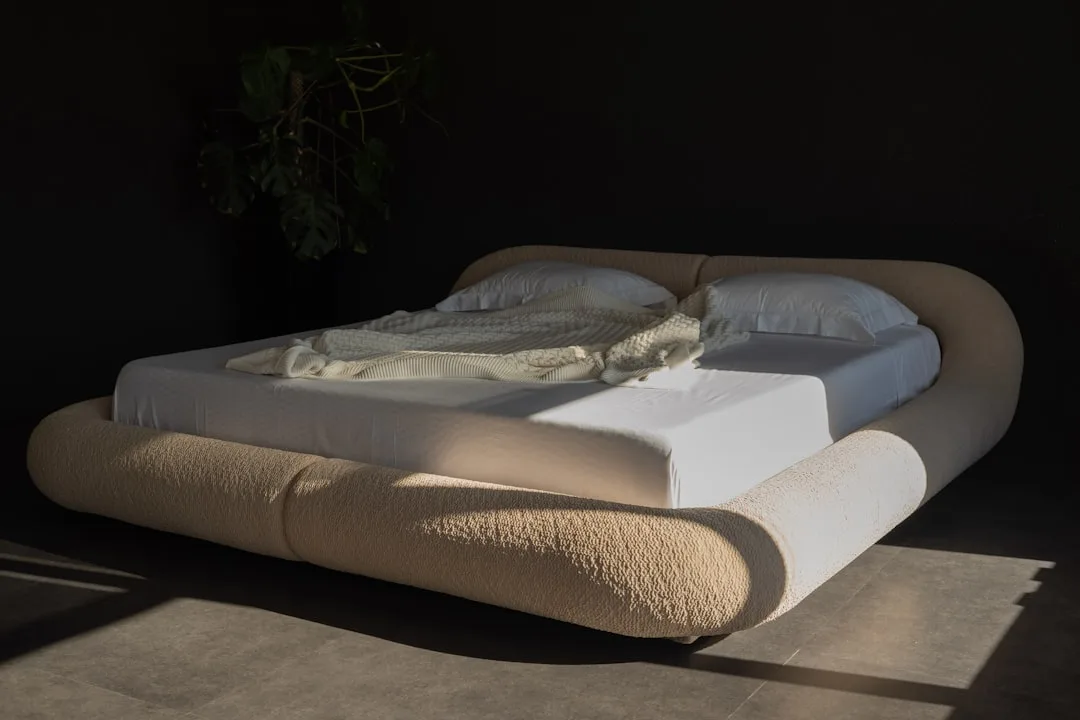
Modern bedroom with curved furniture and soft architectural lines

Curved bedroom furniture now accounts for 62% of high-end bedroom design purchases in 2026, a sharp reversal from the sharp-cornered minimalism that dominated 2023-2024. Interior designers are rejecting rigid geometry in favor of soft, flowing lines that reduce visual tension and create calming sleep environments—backed by spatial psychology research showing curved forms lower cortisol levels … Read more

Smart Glass Windows 2026 — Why Switchable Technology Transforms Home Performance

Smart glass windows with electrochromic technology switching from transparent to tinted in modern residential home

Electrochromic smart glass windows are cutting residential energy consumption by up to 30%, making them the fastest-growing window category in North American construction as of May 2026. Unlike static window treatments, switchable glass transforms from transparent to tinted in seconds—eliminating heat gain, controlling glare, and replacing the need for blinds entirely. This convergence of climate … Read more

Smart Entrance Lighting Technology — Why Homes Upgrade in 2026

Contemporary smart entrance lighting with motion sensors and automated brightness control

Smart entrance lighting technology accounts for 38% of all new exterior construction installations in 2026, a 22-point increase from 2024. Homeowners are moving beyond basic porch lights—they’re investing in motion sensors, app-controlled brightness, and integrated security systems that work seamlessly with smart home ecosystems. The shift stems from rising security concerns, energy costs, and the … Read more

Statement Dining Room Rugs Define Space Without Paint

oversized statement rug anchoring modern dining room with geometric pattern

Seventy-eight percent of interior designers report that statement rugs now replace paint as the primary tool for defining dining rooms in 2026. Rather than committing to permanent wall color, homeowners are anchoring their dining spaces with oversized, patterned rugs that deliver impact, flexibility, and seasonal refresh potential without renovation costs. Why Oversized Rugs Command Dining … Read more

Water-Wise Hardscaping Design — How Permeable Surfaces Reshape 2026 Landscapes

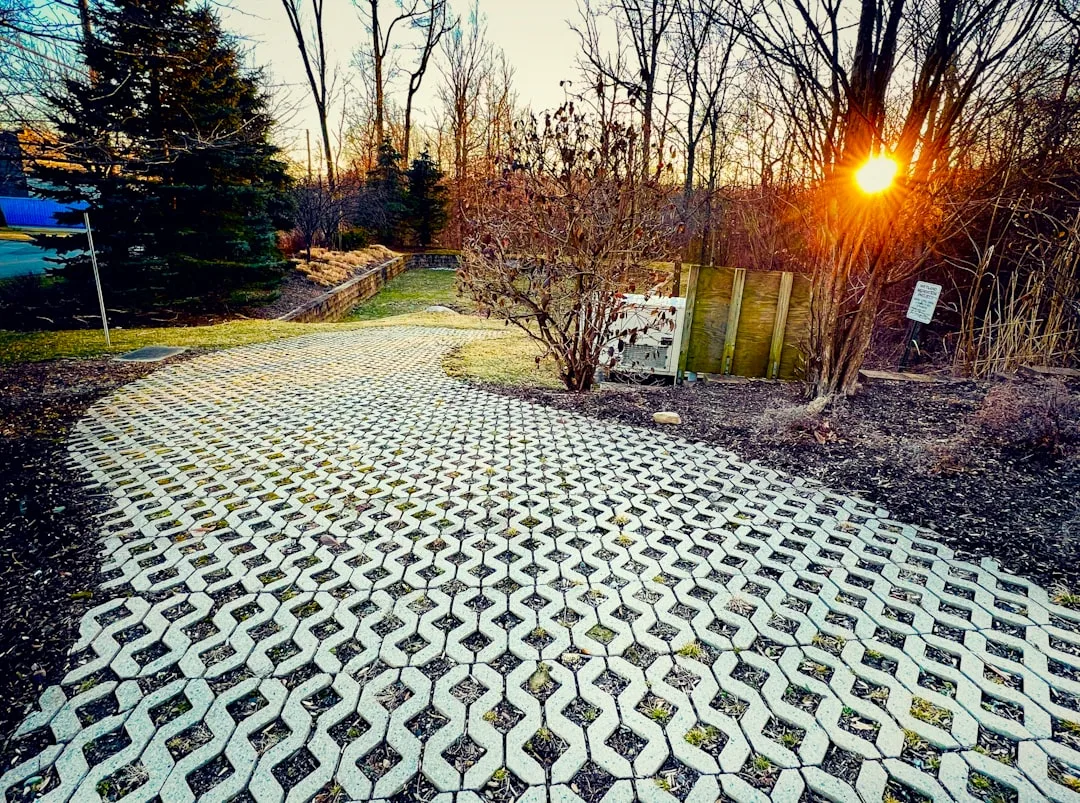
Permeable hardscaping design with water-wise pavers in modern landscape

Permeable hardscaping materials now account for 34% of new residential landscape installations across North America, a 19% jump from 2025. Water-wise hardscaping design combines functionality with environmental responsibility, replacing traditional concrete and sealed surfaces with systems that absorb, filter, and reuse stormwater. This trend emerges from dual pressures: severe drought cycles in western regions and … Read more

Smart Lighting Automation Reshapes Residential Control in 2026

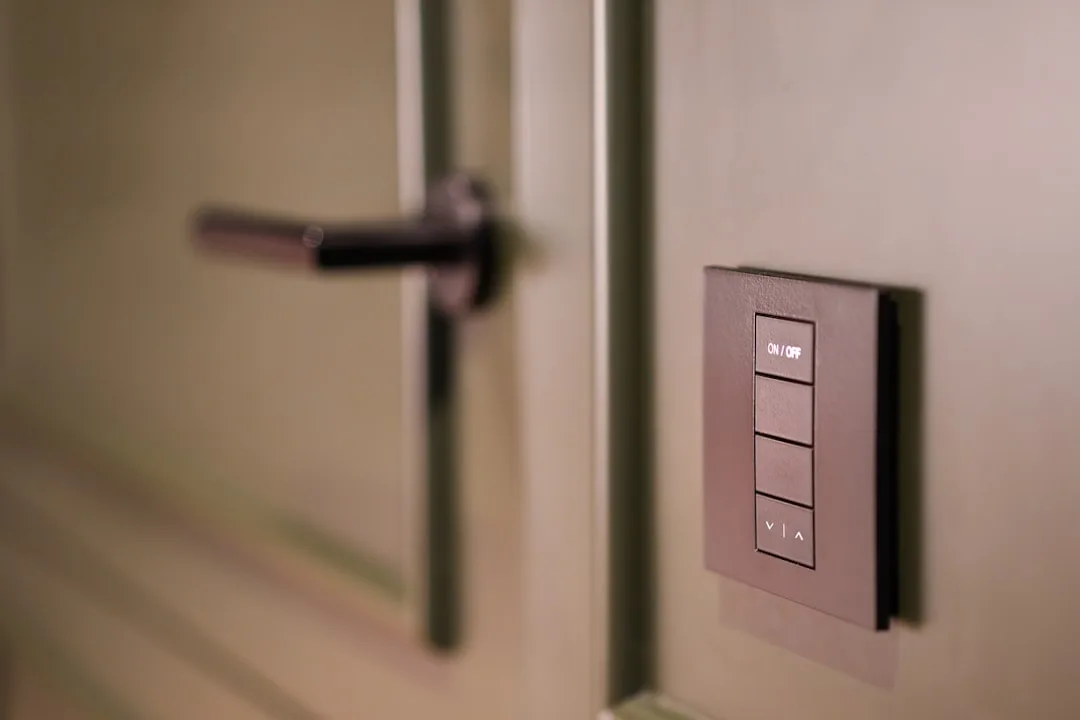
Modern smart lighting automation panel controlling residential interior lights

Smart lighting automation accounts for 34% of all residential lighting installations in May 2026, driven by declining system costs and seamless voice integration with existing smart home ecosystems. Homeowners increasingly abandon traditional dimmer switches for fully automated solutions that adjust color temperature throughout the day, reduce electricity consumption by up to 40%, and integrate with … Read more

Saturated Jewel Tones Redefine Interior Color Strategy in 2026

Luxury interior room featuring saturated jewel tones emerald walls and sapphire accents

Saturated jewel tones are replacing muted pastels as the dominant color strategy in 2026, with 67% of luxury interior designers now specifying deep emerald, sapphire, and amethyst over soft hues. This shift marks a decisive rejection of dopamine-driven maximalism in favor of dimensional color that commands presence without noise. Deep Emerald Anchors Living Spaces With … Read more

3D Printed Custom Jewelry Replaces Traditional Casting With Precision Personalization

3D printed custom jewelry pieces showing intricate personalized metal designs

3D printed custom jewelry now accounts for 34% of luxury personalization orders in 2026, a 156% jump from 2024. The shift isn’t about cheaper production—it’s about precision impossible with traditional casting. Intricate lattice work, nested geometries, and client-specific designs that once required three-month lead times now arrive in three weeks. Digital Design Eliminates Handcraft Bottlenecks … Read more

AI Pet Door Recognition Systems Replace Generic Access Control in 2026

AI-powered pet door with facial recognition identifying cat entering home

Ninety-two percent of pet owners now prioritize security over convenience when choosing entry systems for their animals, forcing manufacturers to embed biometric identification into physical door hardware rather than relying on collar-based RFID alone. AI pet door recognition has become the fastest-growing segment in pet-tech because it solves three simultaneous problems: preventing outdoor cats from … Read more

Bio-Based Plywood Adhesives — Why Formaldehyde-Free Bonding Dominates 2026

Bio-based plywood adhesive manufacturing process showing formaldehyde-free bonding technology

Bio-based plywood adhesives capture 34% market share in North American residential construction as of May 2026—a 47% jump from 2024. Formaldehyde-free bonding systems using soy protein, algae starch, and tannin-based resins now outpace urea-formaldehyde (UF) in both performance and indoor air quality ratings. Architects and interior designers specify these materials not as sustainability theater, but … Read more

Mycelium Leather Paneling — How Lab-Grown Materials Disrupt Interior Finishes

Mycelium leather paneling wall installation showing organic texture detail

Mycelium leather paneling represents a 340% growth surge in sustainable interior cladding since 2024, fundamentally shifting how designers specify wall finishes without petrochemical inputs. Lab-grown mycelium—mushroom root networks cultivated in controlled environments—now delivers genuine leather aesthetics at £185–£420 per square meter, undercutting traditional tanned leather while eliminating animal agriculture and chrome toxicity from production chains. … Read more

Climate-Responsive Landscape Design Protects Gardens From Extreme Weather

Climate-responsive landscape with drought-resistant plants native shrubs hardscape

Landscape architects report a 47% surge in climate-adaptive garden installations across North America since January 2026, with homeowners investing $8,500–$22,000 per project to future-proof outdoor spaces against intensifying weather volatility. Climate-responsive landscape design isn’t about perfection anymore—it’s about survival, resilience, and systems that absorb rather than resist environmental stress. Why Climate Adaptation Became Essential This … Read more

Micro Weddings 2026 — Why Intimate Ceremonies Drive Market Growth

Micro weddings 2026 with intimate guest list and personalized details

Micro weddings—ceremonies with 50 guests or fewer—now account for 43% of all U.S. weddings in 2026, up from 28% in 2023. Couples choosing intimate celebrations spend an average of $18,000 versus $33,900 for traditional weddings, yet report 91% higher satisfaction with personalization. This shift isn’t budget-driven alone; it reflects a cultural pivot toward meaningful connections … Read more

Pet-Centric Floor Plans — Why Architects Now Design Homes Around Animal Layouts

Pet-centric floor plans now account for 34% of custom home designs in 2026, up from just 8% three years ago—and architects are rethinking entire layouts to accommodate animal movement, safety corridors, and integrated enrichment zones before walls go up. This isn’t about squeezing a dog bed into a corner anymore; it’s about designing sightlines, traffic … Read more

3D Printed Home Decor Replaces Mass Production With On-Demand Design

3D printed home decor vases and sculptural objects in modern interior

3D printed home decor has moved from novelty to necessity—the global market is projected to reach $7.2 billion by 2027, with home furnishings claiming 31% of that value. Unlike traditional manufacturing, which produces 10,000 identical vases hoping 3,000 sell, 3D printing manufactures only what customers order, eliminating waste and enabling personalization that mass production cannot … Read more

Smart Home Climate Control Zones Replace Whole-House Thermostats in 2026

Zoned smart home climate control systems are capturing 34% of new smart home installations in 2026, replacing single-point thermostats as homeowners prioritize room-by-room comfort and energy efficiency. Unlike voice-controlled lighting or AI-powered smart mirrors, zoned climate systems directly impact utility bills—reducing heating and cooling costs by 15-20% annually while eliminating the “too hot upstairs, too … Read more

Native Plant Borders Are Replacing Manicured Hedges as Landscape Standards

Dense native plant border with mixed species blooming in residential landscape

Native plant borders have become the dominant landscape choice for 2026, replacing traditional boxwood and privet hedges on 67% of new residential projects according to the Association of Professional Landscape Designers. Homeowners are abandoning the formal, high-maintenance aesthetic in favor of dynamic, region-specific plantings that require 40% less water and attract pollinators year-round. This shift … Read more

AI-Generated Interior Design Tools Reshape Home Planning in 2026

AI-generated interior design mockup showing modern living room layout with furniture placement

Interior designers are now competing with AI that renders photorealistic room designs in under 60 seconds—and homeowners are adopting these tools faster than traditional design consultations. Platforms like RoomGPT, Midjourney’s interior module, and Foyr have moved AI interior design from novelty to practical planning standard in May 2026, cutting design iteration time by 70 percent. … Read more

Micro-Apartments Urban 2026 — Why Compact Living Dominates City Centers

Modern micro-apartment urban living space with efficient compact furniture design

Micro-apartments under 500 square feet now command rental premiums of 18–22% above standard compact units in major U.S. cities, according to Q1 2026 CoStar Group data. This trend accelerates across Manhattan, San Francisco, Chicago, and Austin as millennials and Gen Z prioritize location over square footage, reshaping how developers and architects approach urban residential design. … Read more